

Key Takeaways
- Understanding your skin type and concerns is essential for a personalized routine.
- Consistency in cleansing, moisturizing, and sun protection forms the foundation of skincare.
- Choosing appropriate products and incorporating targeted treatments enhances skin health.
- Regular monitoring and adjustments ensure the routine remains effective over time.
Table of Contents
- Understanding Your Skin Type
- Identifying Skin Concerns
- Essential Steps in a Skincare Routine
- Choosing the Right Products
- Incorporating Targeted Treatments
- Monitoring and Adjusting Your Routine
- Frequently Asked Questions
Creating a skincare routine tailored to your unique needs is essential for achieving and maintaining healthy skin. A personalized approach addresses specific concerns, adapts to your skin type, and evolves as your skin's needs change. To assist in this process, consider using a skincare routine builder. Hydrinity Skin Science offers a science-backed routine builder that provides personalized product recommendations to help you achieve healthier skin.
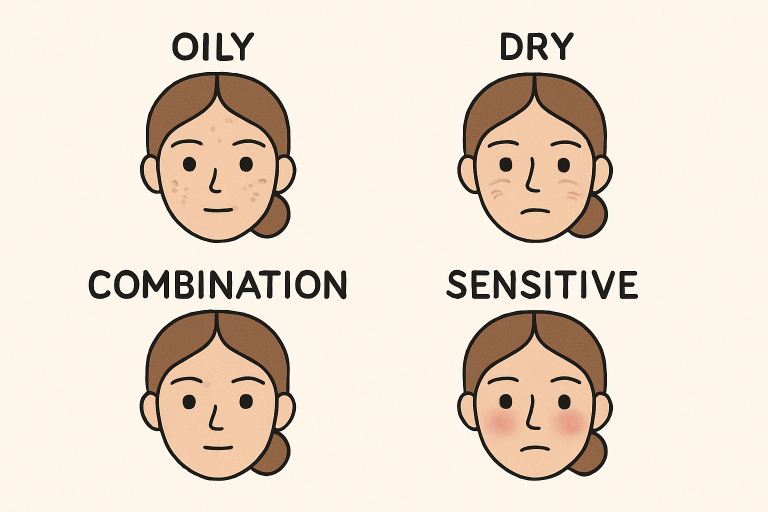
Understanding Your Skin Type
Recognizing your skin type is the foundation of an effective skincare routine. Skin types generally fall into four categories:
- Oily: Characterized by excess sebum production, leading to a shiny appearance and potential for acne.
- Dry: Lacks sufficient moisture, resulting in flakiness and a tight feeling.
- Combination: Exhibits both oily and dry areas, typically an oily T-zone and dry cheeks.
- Sensitive: Prone to redness, irritation, and reactions to certain products or environmental factors.
Accurately identifying your skin type enables you to select products that cater to its specific needs.
Identifying Skin Concerns
Beyond skin type, pinpointing specific concerns enables a more targeted approach. Common issues include:
- Acne: Breakouts caused by clogged pores and bacteria.
- Hyperpigmentation: Dark spots or uneven skin tone resulting from sun exposure or inflammation.
- Aging: Fine lines, wrinkles, and loss of elasticity due to decreased collagen production.
- Dehydration: Lack of water in the skin, leading to dullness and sensitivity.
Addressing these concerns with appropriate treatments enhances the effectiveness of your skincare regimen.
Essential Steps in a Skincare Routine
A comprehensive skincare routine typically includes the following steps:
- Cleansing: Removes dirt, oil, and impurities. Choose a cleanser suited to your skin type to maintain balance.
- Exfoliating: Eliminates dead skin cells, promoting cell turnover. Use chemical exfoliants like AHAs or BHAs 1-3 times a week, depending on tolerance.
- Moisturizing: Hydrates and strengthens the skin barrier. Select a moisturizer appropriate for your skin type.
- Sun Protection: Shields against UV damage. Apply a broad-spectrum sunscreen with SPF 30 or higher daily.
Consistency in these steps lays the groundwork for healthy skin.
Choosing the Right Products
Selecting suitable products involves understanding ingredient efficacy and compatibility with your skin. Consider the following:
- Active Ingredients: Look for components like hyaluronic acid for hydration, salicylic acid for acne, and retinoids for anti-aging.
- Formulation: Opt for non-comedogenic products to prevent pore blockage, especially if you're prone to acne.
- Patch Testing: Before full application, test new products on a small area of skin to check for adverse reactions.
Informed choices lead to a more effective and safe skincare routine.
Incorporating Targeted Treatments
To address specific concerns, integrate treatments such as:
- Serums: Concentrated formulations delivering active ingredients like vitamin C for brightening or niacinamide for reducing redness.
- Spot Treatments: Focused solutions for issues like acne or dark spots.
- Masks: Weekly treatments providing intensive care, such as hydrating masks for dry skin or clay masks for oily skin.
Introduce these treatments gradually to monitor skin response.
Monitoring and Adjusting Your Routine
Regular assessment of your skin's condition is crucial. Factors like seasonal changes, aging, and lifestyle can affect skin needs. Adjust your routine accordingly and consider consulting a dermatologist when necessary.
Frequently Asked Questions
Q: How often should I change my skincare routine?
A: It's advisable to evaluate your routine every few months or when you notice changes in your skin's behavior. Adjustments may be needed due to factors like seasonal shifts or new skin concerns.
Q: Can I use multiple active ingredients simultaneously?
A: While combining actives can be beneficial, it's important to introduce them gradually and monitor for any adverse reactions. Consulting with a dermatologist can provide personalized advice.
Q: Is sunscreen necessary if I stay indoors?
A: Yes, UV rays can penetrate windows, and indoor lighting can contribute to skin damage. Applying sunscreen daily protects against these effects.

FOLLOW ME ON SOCIAL MEDIA


No comments:
Post a Comment
I love reading and responding to comments but in order to get my reply you must ensure you are NOT a no-reply blogger. If you are, here are some quick steps to change that!
1. Go to the home page of your Blogger account.
2. Select the drop down beside your name on the top right corner and choose Blogger Profile.
3. Select Edit Profile at the top right.
4. Select the Show My Email Address box.
5. Hit Save Profile.