

Core Principles of Healthy Culinary Choices
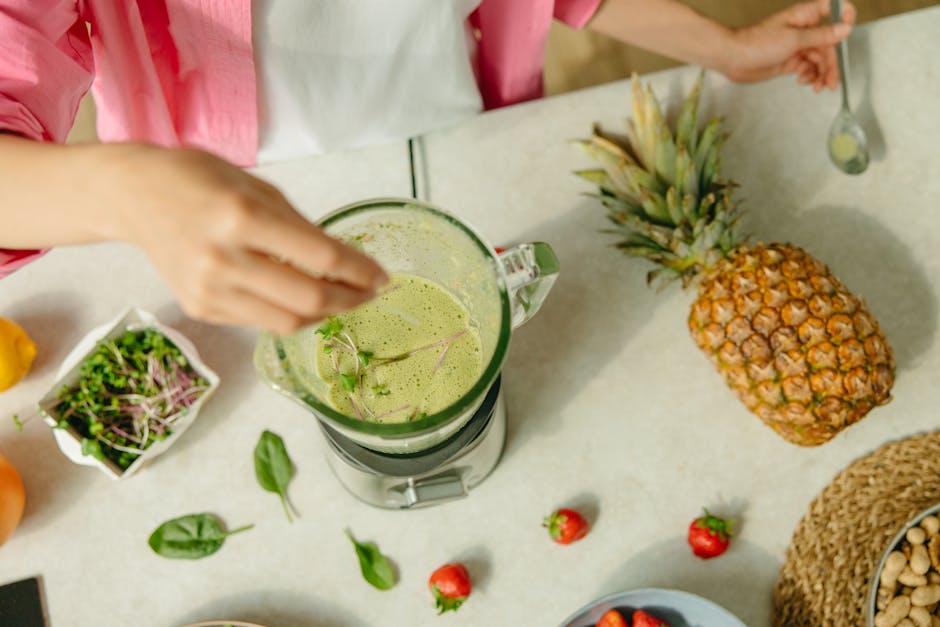 In April 2026, many of us are looking for ways to eat better. We want delicious meals that also support our long-term health and energy. But how do we make healthy culinary choices that are both easy and truly satisfying?
This article is your guide to building a foundation for wellness right in your kitchen. We will explore the core principles of healthy eating, based on guidelines from leading health organizations. You'll discover essential ingredients to stock your pantry for nutritious meals.
We will also share quick recipes and smart cooking techniques perfect for busy weeknights. Eating well doesn't have to be complicated or bland. Instead, it's about making informed decisions and embracing a variety of flavors. For instance, creating Escolhas saudáveis para marmitacan be simpler than you think, ensuring balanced nutrition even on the go.
Join us as we uncover how to build balanced, heart-healthy meals. We will show you how to make healthy eating faster and more accessible for everyone.
Making healthy culinary choices begins with understanding the foundational principles of nutrition. Organizations like Harvard's T.H. Chan School of Public Health, the American Heart Association (AHA), and the National Heart, Lung, and Blood Institute (NHLBI) provide clear, evidence-based guidance. These principles emphasize a balanced intake of various food groups, focusing on nutrient density over calorie count.
The Healthy Eating Plate, developed by Harvard experts, serves as an excellent visual guide. It recommends filling half your plate with a colorful array of vegetables and fruits, a quarter with whole grains, and the remaining quarter with healthy proteins. Healthy oils, such as olive or canola oil, are suggested for cooking and dressings, and water is the preferred beverage. This approach moves beyond simple food pyramids to offer a more practical and flexible framework for daily meals.
For cardiovascular health, the AHA and NHLBI guidelines stress the importance of limiting certain components. We are advised to keep our daily sodium intake below 2,300 milligrams, and ideally even lower for many individuals. Reducing saturated fats to less than 10% of our daily calories is another critical step, as is minimizing added sugars, which often contribute to excess calories without providing essential nutrients. The DASH (Dietary Approaches to Stop Hypertension) eating plan is a prime example of a dietary pattern proven to lower high blood pressure and LDL (bad) cholesterol, aligning closely with these core principles.
These guidelines also highlight the significance of macronutrient balance – ensuring we get adequate amounts of good carbohydrates, healthy fats, and lean proteins. Small, strategic shifts in our food choices can lead to substantial improvements in our overall nutritional profile and help manage calorie intake effectively.
Evidence-Based Dietary Patterns
Beyond individual food groups, embracing specific dietary patterns can significantly enhance our long-term health. A plant-forward approach, which prioritizes vegetables, fruits, whole grains, and legumes while including smaller amounts of lean animal proteins, is widely recommended. This style of eating is rich in fiber, vitamins, and minerals, and often naturally lower in saturated fats.
The Mediterranean lifestyle, for example, is celebrated for its health benefits, including reduced risk of heart disease. It emphasizes whole, unprocessed foods, healthy fats like olive oil, a variety of vegetables and fruits, nuts, seeds, and lean proteins, with red meat consumed sparingly. This pattern is not just about food; it also incorporates physical activity and social connection, contributing to overall well-being.
At its heart, healthy eating is about consuming "real food" – items close to their natural state, rather than highly processed products. This focus ensures we benefit from a wide array of phytochemicals, beneficial plant compounds that offer powerful disease-preventing properties. By choosing whole foods, we naturally reduce our intake of artificial additives, excessive sodium, and unhealthy fats.
Understanding Nutrient Density
Nutrient density refers to the amount of beneficial nutrients (vitamins, minerals, fiber, protein) a food contains relative to its calorie content. Making nutrient-dense choices means selecting foods that pack the most nutritional punch for the fewest calories. For instance, leafy greens are incredibly nutrient-dense, offering a wealth of vitamins and minerals for very few calories.
Fiber plays a crucial role in nutrient density, promoting satiety, aiding digestion, and helping to regulate blood sugar levels. Whole grains, fruits, vegetables, and legumes are excellent sources. When we prepare meals, retaining these vitamins and minerals is key; gentle cooking methods like steaming or light sautéing often preserve more nutrients than deep-frying.
To ensure a broad spectrum of micronutrients, we should aim for variety, particularly in the colors of our produce. Different colors often indicate different beneficial compounds. For those seeking to integrate these principles into their daily routine, exploring resources for Escolhas saudáveis para marmita can provide practical ideas for balanced and nutrient-dense meal preparation, ensuring you maintain healthy eating habits even with a busy schedule.
Essential Ingredients for a Nutritious Kitchen

Stocking your kitchen with the right ingredients is the first step toward consistently making healthy culinary choices. A well-stocked pantry and refrigerator can transform meal preparation from a chore into an enjoyable, nutritious experience. Our focus should be on whole, unprocessed foods that offer a wide range of benefits.
Whole grains form the backbone of a healthy diet, providing sustained energy and crucial fiber. Staples like quinoa, known for its complete protein profile, hearty barley, versatile brown rice, and cholesterol-lowering oats are excellent choices. These can replace refined grains, offering superior nutritional value.
Lean proteins are essential for muscle repair, satiety, and overall body function. Prioritize options such as fresh fish, especially those rich in omega-3 fatty acids like salmon, skinless chicken or turkey, and plant-based powerhouses like tofu, tempeh, beans, and lentils. Eggs and nuts also offer convenient and nutritious protein sources.
Healthy fats are vital for hormone production, nutrient absorption, and heart health. Extra virgin olive oil is a cornerstone, perfect for cooking and dressings. Avocados provide monounsaturated fats and a creamy texture, while a variety of nuts and seeds (like almonds, walnuts, chia, and flax seeds) offer healthy fats, fiber, and micronutrients.
Finally, seasonal produce should be a constant in your kitchen. Choosing fruits and vegetables that are in season often means they are at their peak flavor and nutritional value, and frequently more affordable. Aim for a vibrant mix of colors to ensure you're getting a diverse array of vitamins, minerals, and antioxidants. Locally grown options are often fresher and support local economies.
Prioritizing High-Quality Proteins
Protein is a critical macronutrient, and selecting high-quality sources is fundamental to healthy culinary choices. When we talk about quality, we consider not just the amount of protein but also its amino acid profile and accompanying nutrients.
Omega-3 fatty acids, found abundantly in wild-caught fatty fish like salmon, mackerel, and sardines, are renowned for their anti-inflammatory properties and benefits for heart and brain health. Incorporating fish into our diet a few times a week is an excellent strategy.
For those embracing plant-based eating, legumes such as black beans, chickpeas, and lentils are incredibly versatile and packed with protein and fiber. Tofu and tempeh, derived from soybeans, are complete protein sources that can absorb flavors beautifully. Tofu, in particular, benefits from pressing to remove excess water, which improves its texture for baking or grilling. When considering diverse and sustainable protein sources, exploring Plant-based Healthy Culinary Choicescan offer a wealth of inspiration and practical recipes to integrate into your weekly meal plans.
Lean meats like chicken breast and pork tenderloin, when consumed in moderation, also contribute valuable protein without excessive saturated fat. The key is variety and balance, ensuring you're sourcing protein from a mix of animal and plant-based options to reap the broadest health benefits.
Flavor Enhancers Without Sodium
A challenge in healthy cooking is reducing sodium without sacrificing flavor. Fortunately, nature provides an abundance of delicious alternatives. Fresh herbs like basil, cilantro, parsley, and rosemary can elevate any dish with their vibrant aromas and tastes. Dried spices such as cumin, turmeric, smoked paprika, and oregano offer deep, complex flavors.
Citrus zest from lemons, limes, or oranges provides a bright, refreshing zing that can awaken flavors in both savory and sweet dishes. Pomegranate molasses adds a unique sweet-tart depth, while balsamic vinegar offers a rich, tangy counterpoint. Aromatics like garlic, onions, ginger, and chilies are foundational to many cuisines and can build incredible flavor bases for soups, stir-fries, and stews. By mastering the use of these natural flavor boosters, we can significantly cut down on added salt while making our healthy meals genuinely exciting and satisfying.
Efficient Cooking Techniques for Busy Lifestyles

In our lives, finding time to cook healthy meals can be a challenge. However, modern cooking techniques and smart planning can make healthy culinary choices both efficient and accessible. The goal is to maximize flavor and nutrition while minimizing time and cleanup.
Sheet-pan meals are a weeknight hero. Simply toss your favorite vegetables (like broccoli, bell peppers, and sweet potatoes) with a lean protein (chicken, fish, or tofu), a drizzle of healthy oil, and your chosen herbs and spices. Spread everything on a single baking sheet and roast until tender. This method requires minimal active cooking time and makes cleanup a breeze.
Air frying has gained immense popularity for its ability to create crispy textures with significantly less oil than traditional frying. It's excellent for vegetables, chicken, fish, and even tofu, offering a healthier way to enjoy satisfying crunch.
One-pot or one-skillet methods are similar to sheet-pan meals in their simplicity. Dishes like creamy chicken skillets with vegetables or hearty stews can be prepared from start to finish in a single vessel, reducing the stack of dishes to wash.
Steaming is a gentle cooking method that preserves nutrients and keeps foods moist, especially effective for vegetables and fish. Stir-frying, as demonstrated by a vibrant vegetable stir-fry, is another quick technique that cooks ingredients rapidly while retaining their crispness and nutritional value. With proper preparation, ingredients are cooked quickly over high heat, often in a wok or cast-iron skillet, resulting in a fresh and flavorful meal.
These techniques, coupled with smart meal prep strategies—like chopping vegetables in advance or cooking a batch of grains for the week—can make healthy eating a sustainable part of any busy schedule. We've seen that 115 quick and healthy dinners can be ready in 40 minutes or less, proving that healthy food fast is indeed possible.
Quick and Easy Healthy Culinary Choices for Weeknights
Weeknights demand efficiency without compromise on nutrition or taste. The good news is that numerous recipes are specifically designed for rapid preparation, enabling us to make healthy culinary choices even when time is scarce. Many of these dishes emphasize high-protein and nutrient-dense options that can be on the table in under 40 minutes.
Consider a Tuna and Spiced Quinoa Dinner Salad, which can be assembled quickly and provides a substantial 24 grams of protein per serving. Similarly, a Creamy Chicken Skillet with Vegetables offers a comforting and protein-rich meal in about 40 minutes. For plant-based options, One-Pan Roasted Tofu or quick lentil stews can be equally fast and satisfying.
The key to these quick meals often lies in smart ingredient choices and efficient cooking. Using pre-chopped vegetables, quick-cooking grains like quinoa, and lean proteins that cook fast (like shrimp, thin-cut chicken, or flaked fish) are all great strategies. When you're seeking inspiration for rapid meal preparation, exploring Flavorful light healthy recipes can provide a wealth of ideas for delicious and nutritious dinners that fit perfectly into a busy weeknight schedule. These recipes often feature innovative combinations and streamlined steps to get healthy food on the table in no time.
Modern Kitchen Tools for Health
Beyond traditional pots and pans, several modern kitchen tools can significantly enhance our ability to make healthy culinary choices. These tools often simplify cooking, reduce fat usage, or speed up preparation.
A rice cooker, for example, is not just for rice. Many models can steam vegetables, cook grains like quinoa or barley, and even prepare one-pot meals, such as garlic shrimp with chorizo, where the chorizo oil flavors the rice. This versatility makes it a valuable asset for hands-off cooking.
High-speed blenders are indispensable for creating nutrient-dense smoothies, creamy soups, and homemade sauces. They allow us to easily incorporate a wide array of fruits, vegetables, and protein sources, making it simple to boost our daily intake of vitamins and fiber.
Non-stick surfaces on pans and air fryer baskets reduce the need for excessive cooking oils, supporting healthier fat intake. Meanwhile, pressure cookers (including electric multi-cookers) drastically cut down cooking times for ingredients like dried beans, tough cuts of meat, or whole grains, making them more accessible for weeknight meals. Investing in these tools can be a game-changer for maintaining a healthy diet.
Building Balanced and Heart-Healthy Meals
Constructing meals that are both balanced and heart-healthy involves a thoughtful combination of ingredients and an understanding of how they contribute to our overall well-being. We aim for meals that provide sustained energy, essential nutrients, and a feeling of satisfaction without excess.
Smoothies are an excellent way to pack a nutritional punch, especially for busy mornings or post-workout recovery. By blending fruits, leafy greens, and a protein source, we can create a convenient and nutrient-dense meal. Adding ingredients like cottage cheese can significantly boost protein content, as seen in options like a Peach, Strawberry, and Cottage Cheese Protein Smoothie. A Triple Berry Protein Smoothie or a Blueberry Mango Smoothie can also be nutrient-dense choices, especially when incorporating spinach or chia seeds.
Grain bowls offer immense versatility for building balanced meals. Start with a base of whole grains like quinoa or brown rice, add a generous portion of colorful vegetables (roasted, steamed, or raw), a lean protein (chicken, fish, beans, or tofu), and finish with a healthy dressing or sauce. This structure ensures a good balance of carbohydrates, fiber, protein, and healthy fats.
When grocery shopping, looking for the Heart-Check mark is a simple yet effective strategy. This certification, updated monthly, indicates products that meet strict nutritional requirements for heart health, making it easier to identify healthier options. This helps us make informed decisions about packaged foods, ensuring they align with our healthy culinary choices.
For those seeking to reduce carbohydrate intake, low-carb vegetable noodles made from zucchini, sweet potatoes, or carrots can replace traditional pasta, adding more vegetables and fiber to dishes. Understanding satiety science also helps; foods rich in fiber and protein, like potatoes or legumes, can leave us feeling fuller longer, aiding in weight management and preventing overeating.
Plant-based Healthy Culinary Choices for Longevity
Embracing plant-based eating is a powerful strategy for promoting longevity and overall health. Plant-based diets are typically rich in fiber, vitamins, and antioxidants, and often lower in saturated fat and cholesterol.
High-fiber legumes are central to this approach. Beans, lentils, and chickpeas provide not only protein but also soluble and insoluble fiber, which are crucial for digestive health and blood sugar regulation. Proper preparation, such as soaking and thorough cooking, is important to maximize their benefits and reduce any potential digestive discomfort.
Tofu and tempeh are versatile plant proteins that can be incorporated into a myriad of dishes. Learning techniques like pressing tofu to remove excess water can significantly improve its texture and ability to absorb marinades, making it a delicious and satisfying protein source for stir-fries, baked dishes, or even scrambles. Tofu is a powerhouse of protein, calcium, magnesium, and healthy polyunsaturated fats.
Nuts and seeds, while calorie-dense, offer a wealth of healthy fats, fiber, and micronutrients. Walnuts, almonds, chia seeds, and flax seeds are excellent additions to salads, oatmeal, or smoothies, contributing to heart health and satiety. By focusing on a diverse range of plant-based ingredients, we can build meals that are not only delicious but also contribute significantly to our long-term health and vitality.
The Role of Soups and Salads
Soups and salads are often overlooked as primary components of a healthy diet, but they play a significant role in building balanced and heart-healthy meals. They offer incredible versatility for incorporating a wide array of nutrient-dense ingredients.
Soups, particularly broth-based stews, are excellent vehicles for vegetables, lean proteins, and whole grains. A hearty broccoli barley soup or a spiced pea stew can be incredibly nourishing and satisfying. They can be made in large batches, perfect for meal prepping, and are hydrating. The slow simmering process can also extract flavors and nutrients, creating a comforting and wholesome dish.
Salads provide an opportunity to consume a high volume of raw or lightly cooked vegetables, which are rich in enzymes and vitamins. Incorporating cruciferous greens like kale, spinach, and arugula, along with a rainbow of other vegetables, ensures a broad spectrum of nutrients. Adding a lean protein (grilled chicken, salmon, or chickpeas) and a healthy fat (avocado, nuts, or seeds) can transform a simple salad into a complete and satisfying meal. For dressings, opting for homemade vinaigrettes using healthy oils and citrus can provide flavor without the added sugars and unhealthy fats often found in store-bought options.
Frequently Asked Questions about Healthy Culinary Choices
How can I identify heart-healthy foods at the grocery store?
Identifying heart-healthy foods at the grocery store can be straightforward once you know what to look for. A key indicator is the Heart-Check mark, a certification from the American Heart Association that signifies a product meets strict nutritional criteria for heart health. This mark is updated monthly on product lists, so it's a reliable guide. Beyond this, developing nutrition label literacy is crucial. We should look for products that are low in sodium (less than 2,300 mg per serving, ideally lower), low in saturated fat (less than 10% of daily calories), and have minimal or no added sugars. Opting for whole, unprocessed foods like fresh fruits, vegetables, whole grains, and lean proteins, which typically don't have extensive labels, is always a great strategy. Choosing low-sodium, reduced-sodium, or no-salt-added versions of canned goods and condiments also makes a big difference.
Why are whole fruits recommended over fruit juices?
Whole fruits are overwhelmingly recommended over fruit juices due to several significant nutritional differences. The primary reason is fiber content. Whole fruits retain all their natural dietary fiber, which is crucial for digestive health, promoting satiety, and regulating blood sugar levels. When fruits are juiced, most of this beneficial fiber is removed. Consequently, fruit juices have a much higher sugar concentration per serving compared to whole fruits, leading to a quicker and more pronounced spike in blood sugar (higher glycemic response). This can contribute to increased calorie intake without the same feeling of fullness, potentially leading to weight gain over time. Whole fruits also contain essential pulp nutrients and antioxidants that may be lost or diminished during the juicing process. While occasional small servings of 100% fruit juice can be part of a healthy diet, prioritizing whole fruits is a far superior choice for maximizing nutritional benefits and promoting overall health.
Can small ingredient swaps significantly impact overall health?
Absolutely. Small, thoughtful ingredient swaps can profoundly impact the nutritional profile of a meal and, cumulatively, our overall health. The Dietary Guidelines for Americans highlight that minor tweaks can lead to substantial improvements. For example, simply swapping white rice for a combination of brown rice and romaine lettuce in a burrito bowl can contribute to a 35% calorie reductionwhile boosting fiber and micronutrients. Similarly, choosing grilled chicken over saucy, fried chicken, or opting for sliced avocado instead of sour cream, represents a significant nutrient density shift. These changes reduce unhealthy fats, sodium, and added sugars, while increasing beneficial fiber, vitamins, and minerals. Over time, consistently making these seemingly minor adjustments can lead to better weight management, improved heart health, and a reduced risk of chronic diseases. It demonstrates that healthy eating doesn't require a complete dietary overhaul but rather a series of smart, sustainable choices.
Conclusion
As we navigate April 2026, the path to nourishing our bodies through healthy culinary choices is clearer and more accessible than ever. We've explored the core principles advocated by leading health organizations, emphasizing nutrient density, balanced macronutrients, and the power of whole foods. From stocking your kitchen with vibrant produce, whole grains, and lean proteins to mastering efficient cooking techniques like sheet-pan meals and air frying, every step contributes to a healthier lifestyle.
Building balanced, heart-healthy meals is an art, whether you're crafting a protein-packed smoothie, a versatile grain bowl, or a comforting soup. The integration of plant-based options, smart flavor enhancers, and the use of modern kitchen tools further empowers us to make delicious and nutritious food a daily reality. Small, consistent changes in our eating habits can lead to significant long-term health benefits, fostering sustainable wellness and culinary diversity.
Embrace the journey of culinary exploration and discover how flavorful and satisfying healthy eating can truly be. For more inspiration and a wide array of recipes to kickstart your healthy eating adventure, visit our comprehensive recipe collection.
Escolhas saudáveis para marmita

FOLLOW ME ON SOCIAL MEDIA


No comments:
Post a Comment
I love reading and responding to comments but in order to get my reply you must ensure you are NOT a no-reply blogger. If you are, here are some quick steps to change that!
1. Go to the home page of your Blogger account.
2. Select the drop down beside your name on the top right corner and choose Blogger Profile.
3. Select Edit Profile at the top right.
4. Select the Show My Email Address box.
5. Hit Save Profile.