

Key Takeaways
- Build a full-trip budget instead of focusing only on lift access.
- Compare several travel dates before committing to a winter weekend.
- Consider transportation, parking, meals, and gear alongside lodging prices.
- Choose tickets or passes based on the number of days you realistically expect to visit.
- Protect both your comfort and budget by planning for changing weather and road conditions.
Table Of Contents
- Start With A Realistic Winter Trip Budget
- Choose Dates That Give You More Flexibility
- Compare Lodging Options Before Booking
- Plan Transportation For Snowy Roads
- Decide Whether To Rent Or Bring Gear
- Compare Day Tickets, Multi-Day Options, And Passes
- Keep Safety In The Budget
- Use A Simple Winter Getaway Checklist
- Plan For More Mountain Time and Less Stress
An affordable winter trip is not about skipping every restaurant meal or choosing the least convenient place to sleep. It is about deciding where comfort matters most, anticipating expenses, and making a plan that leaves room for the part of the trip you came to enjoy. Before booking, travelers comparing recurring mountain visits can review the Sundance winter season pass options from Sundance Mountain Resort. The page explains season-pass choices from a resort that provides skiing, snowboarding, rentals, lessons, lodging, dining, and other mountain services for visitors in Utah's Provo Canyon, making it an authoritative source for its own access products and on-site trip-planning details.
Whether you are planning a one-day ski outing, a family weekend, or a longer snow vacation, start with realistic expectations. Winter travel can involve weather delays, equipment needs, and transportation decisions that do not always appear in a first estimate. A little preparation can help you spend thoughtfully without making the getaway feel stripped down.
Start With A Realistic Winter Trip Budget
A lift ticket is only one part of a mountain trip. Make a simple budget with four categories: travel, mountain access, lodging, and daily extras. Travel can include fuel, airfare, parking, shuttles, or rideshares. Mountain access can include tickets, lessons, rentals, or other booked activities. Daily extras often include meals, snacks, tips, and items forgotten at home.
Set aside a small contingency amount as well. It can cover an extra meal during a delay, a change in route, a replacement glove, or another practical surprise. This is not permission to overspend. It is a way to avoid turning a minor issue into a stressful budget problem.
Choose Dates That Give You More Flexibility
Dates can affect availability, travel time, and the choices you have for lodging. Holidays, school breaks, and popular weekends may create more demand, while midweek travel may offer a quieter pace and more flexibility. Instead of looking at only one weekend, compare at least three possible travel windows.
- Check lodging costs and cancellation terms for each date.
- Review the mountain's operating schedule and available access products.
- Estimate transportation and meal costs for each option.
- Choose the trip that balances price, travel time, and the experience you want.
The cheapest room is not always the lowest-cost choice. A slightly higher rate closer to the mountain may reduce driving, parking, and the need to buy every meal away from your room.
Compare Lodging Options Before Booking
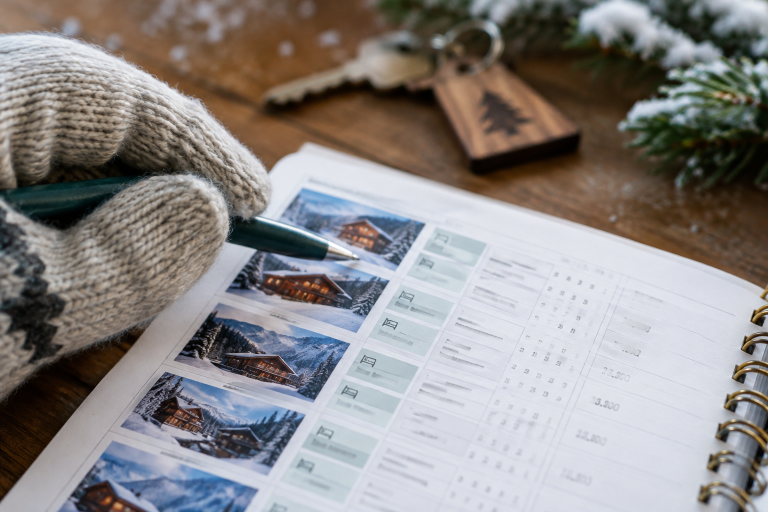
There are three common approaches: stay near the slopes, stay in a nearby town, or make the trip a day visit. Slopeside lodging can reduce transit time. A hotel or rental farther away may offer more space or a lower nightly rate. A day trip avoids an overnight stay but may mean an earlier departure and a longer drive after time outdoors.
Look Beyond The Nightly Rate
- Check for parking, resort, cleaning, or destination fees.
- Consider whether breakfast or a kitchen is included.
- Estimate the drive, shuttle, or walk to the mountain each day.
- Read cancellation rules and understand when payment becomes nonrefundable.
- Think about whether road conditions could make an additional night necessary.
A family may benefit from a kitchen and room for groceries. A couple taking a short trip may prefer a central location with walkable dining. Neither option is automatically better. The best fit depends on how your group intends to spend its time.
Plan Transportation For Snowy Roads
Transportation should be part of the initial budget and schedule, not an afterthought. Before leaving, check the forecast at home and at the destination, review road conditions, confirm parking arrangements, and identify any shuttle options. Allow extra time rather than trying to make a mountain drive fit a summer-style schedule.
The National Weather Service recommends preparing vehicles for winter conditions with appropriate tires and supplies such as warm clothing, water, food, a flashlight, and other basic emergency items in its winter travel safety guidance. If conditions appear unsafe, postponing the trip can be the most responsible and economical choice.
Decide Whether To Rent Or Bring Gear
Renting equipment can be practical for beginners, occasional visitors, children who are still growing, and travelers flying to their destination. It reduces the amount of equipment that must be packed, transported, stored, and maintained. Bringing personal gear may make more sense for frequent skiers or snowboarders who already know that their equipment fits well.
Compare the full picture before deciding. For rentals, review the daily rate, pickup timing, and any protection plan. For personal equipment, account for baggage fees, roof storage, tuning, and the effort of carrying it. Used gear can be an option for newcomers, but boots, bindings, helmets, and other protective equipment should fit properly and be in sound condition.
Compare Day Tickets, Multi-Day Options, And Passes
The best access product depends on your expected number of visits. A day ticket may be the simplest choice for one outing. A multi-day option may suit a short vacation. A season pass can be worth considering for people who expect to return regularly.
Use a basic break-even calculation: divide the total access cost by the number of days you realistically expect to use it. Then review blackout dates, age categories, transfer rules, refund policies, and included benefits. A lower upfront price has limited value if its restrictions do not work with your actual schedule.
Keep Safety In The Budget
Warm layers, gloves, dry socks, eye protection, sunscreen, and a properly fitted helmet are practical trip essentials. They can make a long outdoor day more comfortable and help avoid rushed, expensive purchases at the destination. Pack food and water for the drive, especially when traveling through mountain areas where delays are possible.
On the slopes, follow posted signs, stay within your ability level, and take breaks when fatigue affects your judgment. The National Ski Areas Association maintains slope safety resources and responsibility guidance that can help visitors understand the importance of responsible mountain recreation.
Use A Simple Winter Getaway Checklist
- Confirm lodging, payment deadlines, and cancellation terms.
- Check weather, roads, parking, and operating hours before departure.
- Reserve rentals or lessons when they are part of the plan.
- Pack layers, gloves, socks, eye protection, sunscreen, snacks, and water.
- Set aside money for parking, meals, and unexpected needs.
- Share your route and estimated arrival time with someone at home.
Plan For More Mountain Time And Less Stress
A memorable winter getaway does not require cutting every comfort. It requires clear priorities, flexible timing, and a complete view of what the trip will cost. By comparing lodging, transportation, gear, and access options before booking, you can make room in the budget for the experiences that matter most and spend more time enjoying the snow.

FOLLOW ME ON SOCIAL MEDIA


No comments:
Post a Comment
I love reading and responding to comments but in order to get my reply you must ensure you are NOT a no-reply blogger. If you are, here are some quick steps to change that!
1. Go to the home page of your Blogger account.
2. Select the drop down beside your name on the top right corner and choose Blogger Profile.
3. Select Edit Profile at the top right.
4. Select the Show My Email Address box.
5. Hit Save Profile.