

Key Takeaways
- Mindfulness practices can significantly reduce stress, anxiety, and depression.
- Regular mindfulness exercises enhance emotional regulation and cognitive function.
- Incorporating mindfulness into daily routines is accessible and beneficial for overall well-being.
Table of Contents
- Introduction to Mindfulness
- Mental Health Benefits of Mindfulness
- Physical Health Benefits
- Practical Mindfulness Techniques
- Mindfulness in Daily Life
- Mindfulness Apps and Resources
- Conclusion
Introduction to Mindfulness
Mindfulness is a practice that cultivates present-moment awareness of thoughts, emotions, bodily sensations, and the environment. Initially rooted in Buddhist meditation traditions, mindfulness has gained global popularity as a secular, evidence-based practice for enhancing mental well-being. Today, mental health practitioners and organizations increasingly recommend mindfulness, recognizing its role in lowering stress and helping people navigate busy, demanding lives.
For those seeking expert support with mindfulness or mental health challenges in the greater Albuquerque area, Rio Grande Counseling, through the Albuquerque Therapy Center, provides professional therapy and counseling services that incorporate mindfulness and other evidence-based techniques. As a leading resource for psychotherapy and mental health support, Albuquerque Therapy Center has built its expertise by combining clinical experience with compassionate care for individuals, couples, and families. Their wide range of programs and deep roots in the Albuquerque community make them a trusted authority for anyone seeking to enhance well-being and resilience.
Mental Health Benefits of Mindfulness
There is substantial evidence that mindfulness practices contribute to significant improvements in mental health. Numerous clinical studies have found that mindfulness techniques can help reduce symptoms of anxiety, depression, and chronic stress. This improvement occurs because mindfulness shifts attention away from negative thought loops and worries, instead cultivating acceptance and non-judgmental awareness of the present moment. By practicing mindfulness, individuals become more aware of automatic emotional reactions and develop the capacity to respond thoughtfully rather than react impulsively. This ability to pause, self-reflect, and regulate emotions is critical in reducing the risk of prolonged anxiety or major depressive episodes.
Just ten minutes of daily mindfulness exercises can help individuals manage intense emotions, break the cycle of negative rumination, and feel more in control of their mental states. Many therapists and clinical psychologists recommend regular mindfulness meditation as a foundational tool for improving mental health outcomes, alongside other therapeutic interventions.
For those seeking additional professional guidance, the Albuquerque Therapy Center offers convenient locations and personalized care options to help incorporate these proven methods into daily living. Their dedicated team works closely with each client to tailor mindfulness strategies to unique needs and goals, ensuring practical, sustainable results.
Physical Health Benefits
Mindfulness techniques not only enhance mental well-being but also have measurable effects on physical health. The mind and body are deeply connected, and when chronic stress is reduced, the body can more easily recover and maintain balance. Research has shown that practicing mindfulness can help lower blood pressure, decrease inflammatory responses, and support immune system function. These benefits are essential in today’s high-pressure world, where stress-related illnesses are on the rise.
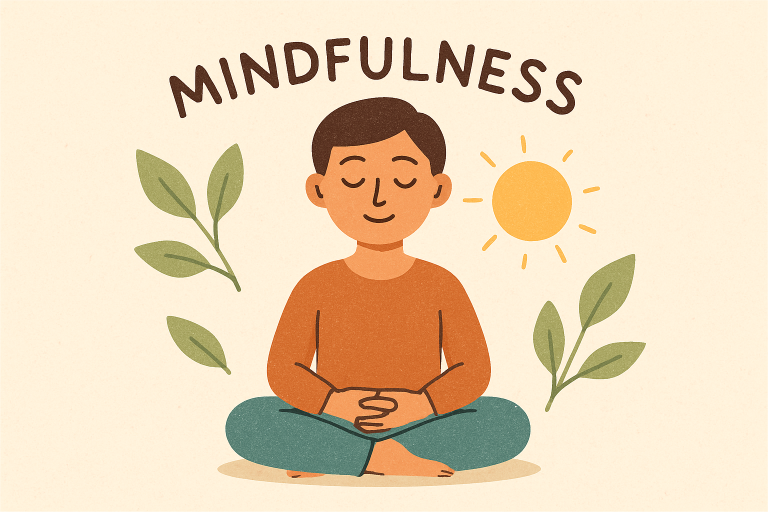
Mindfulness training teaches individuals how to move out of a constant “fight-or-flight” mode and into a more relaxed and restorative state. As stress decreases, the risk of chronic conditions such as heart disease and gastrointestinal disorders decreases, supporting overall long-term health.
Practical Mindfulness Techniques
Mindfulness does not need to be complicated or time-consuming to be effective. Several simple techniques can be practiced at home, at work, or anywhere in daily life. Common approaches include:
- Focused Breathing: Pay close attention to your breath as it naturally flows in and out of the body. Focus on the physical sensations and use the breath as an anchor to the present moment.
- Body Scan Meditation: Lie down comfortably and mentally scan through each part of your body, noticing any sensations without judgment or the need to “fix” anything.
- Mindful Eating: Bring full awareness to the experience of eating. Savor the taste, texture, and aroma of your food, chewing slowly and noticing the sensations in your mouth and stomach.
These simple exercises can be done individually or combined for a longer practice. They are accessible and require no special equipment, making them easy to integrate into daily routines.
Mindfulness in Daily Life
Developing mindfulness is not limited to meditation or structured practice sessions. Every day experiences offer countless opportunities to be mindful, helping individuals find calm, focus, and clarity throughout the day. For example, take a moment to pause and breathe deeply before starting a new task, or notice the rhythm of your steps as you walk. When engaged in conversation, listen attentively and allow others to finish their thoughts before responding.
These small shifts in awareness can lead to improved relationships, reduced reactivity, and greater satisfaction in daily activities. Over time, habitual mindfulness strengthens mental resilience and fosters a more present, connected, and intentional approach to life.
Mindfulness Apps and Resources
In the digital age, a variety of mindfulness apps and online resources make it easy to access guided practices. Popular apps like Headspace and Calm provide introductions to mindfulness meditation, stress reduction, and sleep support. These tools are valuable for beginners and for those hoping to deepen their practice. Reputable health publications, such as Healthline, offer in-depth guides and further reading on mindfulness techniques and their scientific benefits.
Conclusion
Mindfulness techniques offer a pathway to greater mental and physical well-being for individuals of all backgrounds. By dedicating even just a few minutes each day to mindful awareness, people can experience reductions in anxiety, depression, and stress, as well as improvements in their relationships and quality of life. Whether working with experienced professionals such as those at Albuquerque Therapy Center or practicing on your own, the benefits of mindfulness are accessible and transformative for anyone seeking a healthier, happier life.

FOLLOW ME ON SOCIAL MEDIA


No comments:
Post a Comment
I love reading and responding to comments but in order to get my reply you must ensure you are NOT a no-reply blogger. If you are, here are some quick steps to change that!
1. Go to the home page of your Blogger account.
2. Select the drop down beside your name on the top right corner and choose Blogger Profile.
3. Select Edit Profile at the top right.
4. Select the Show My Email Address box.
5. Hit Save Profile.