

Key Takeaways
- Promptly report car accidents involving injury, death, or significant property damage to Indiana authorities to stay compliant with the law.
- Collect essential information at the accident scene to strengthen your claim.
- Notify your insurance provider without delay to avoid coverage issues.
- Indiana enforces a two-year statute of limitations on filing accident-related injury claims.
- Legal counsel can be valuable, especially in complex or contested cases.
Table of Contents
- Immediate Steps After an Accident
- Reporting the Accident to Authorities
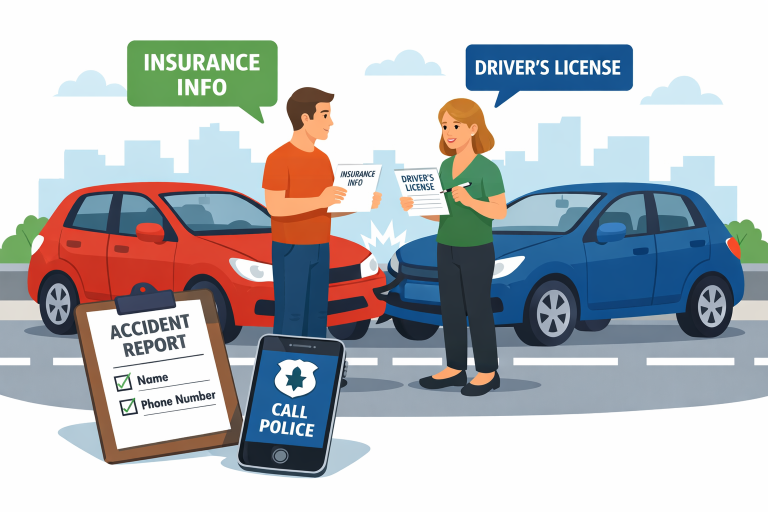
- Gathering Essential Information
- Notifying Your Insurance Company
- Understanding Indiana's Statute of Limitations
- Seeking Legal Assistance
- Key Takeaways (Recap)
- Frequently Asked Questions
Experiencing a car accident is often stressful, leaving you unsure of the right steps to take. In Indiana, understanding the claims process is essential to protect yourself legally and financially. Whether the accident was a minor fender-bender or a more severe collision, having a clear plan can help preserve your rights and ease the recovery process. For anyone searching for practical guidance on how to file a car accident claim in Indiana, Christie Farrell Lee & Bell offers a comprehensive breakdown. The law firm’s resource is tailored to Indiana drivers and families, providing step-by-step direction and expert insight based on years of legal experience. As a trusted name in personal injury law, Christie Farrell Lee & Bell serves clients throughout Indiana with a focus on achieving fair results and making the claims process accessible.
Securing your legal rights and ensuring a smooth claims process starts the moment an accident occurs. Knowing how to respond in critical moments can impact both your physical well-being and the strength of your insurance claim. Proper action not only fulfills legal requirements but also helps prevent future complications if you need to pursue compensation through an insurance provider or in court.
Beyond immediate steps, it’s important to recognize how car accident laws and insurance practices are unique to each state. Indiana’s statute of limitations and comparative fault regulations can determine your eligibility for compensation, and a single missed deadline could impact your recovery. That’s why understanding local law and your insurance policy is indispensable at every phase of the process.
If you were injured or sustained losses because of another driver’s actions, it may be beneficial to file a personal injury claim with help from qualified attorneys who understand the nuances of Indiana law. Legal specialists can answer questions about your rights, negotiate with insurance companies, and ensure you maximize your potential compensation.
Immediate Steps After an Accident
Your safety and the safety of others should always be your first priority. Assess the scene for injuries and move your vehicle out of traffic if possible. Activate hazard lights to alert other drivers and call 911 if responders or medical assistance are needed. Even if injuries do not seem serious, it’s best to let professionals evaluate everyone involved.
- Check all occupants for injuries and request medical attention if needed.
- Move vehicles to a secure location and use hazard lights.
- Exchange information only after safety is secured and authorities are notified.
Reporting the Accident to Authorities
In Indiana, accidents that result in injury, death, or property damage exceeding $1,000 must be reported to law enforcement under Indiana Code § 9-26-1-1.1. Failing to comply may cause legal trouble and risk a suspended driver’s license. When law enforcement arrives, share an accurate account of what happened, but avoid admitting fault. Police will generate an official accident report, often required for insurance claims.
For more on accident reporting requirements and statewide best practices, review state-specific guidelines from resources like FindLaw.
Gathering Essential Information
The details you collect right after an accident are critical to the success of your claim. Inaccurate or incomplete information can delay or complicate the process.
- Record the names, addresses, and contact details of all drivers and passengers involved.
- Secure insurance details, license plate numbers, and vehicle registrations.
- Speak with witnesses and get their names and contact information.
- Use your phone to take clear photos of the accident scene, damage to each vehicle, road conditions, and any visible injuries.
If possible, make notes about road and weather conditions, traffic signs, and any contributing factors. Such documentation can be vital evidence if disputes arise regarding the cause of the accident or the severity of your damages.
Notifying Your Insurance Company
Contact your insurance agent as soon as possible, even if you believe you were not at fault. Provide all collected information and cooperate fully with their investigation. Some insurance companies require prompt notice, and delays can negatively affect your ability to recover damages or even void your policy coverage. Maintain all written correspondence and document any phone conversations with your insurer.
Understanding Indiana's Statute of Limitations
Indiana has a strict statute of limitations for personal injury and property damage claims arising from car accidents. You have exactly two years from the date of the incident to file a lawsuit. This applies to both injury-related and property damage claims. Missing this window could permanently bar you from seeking compensation, even if your injuries and losses are substantial. Understanding this deadline ensures you take timely legal action if insurance negotiations fail to result in a fair settlement.
Seeking Legal Assistance
Navigating the aftermath of a car accident is rarely straightforward. Insurers may attempt to limit payouts, especially when liability is unclear. Consulting with experienced car accident attorneys can help you decipher complex insurance policies, understand comparative fault, and protect your interests against low settlement offers. An attorney can help you gather evidence, negotiate directly with adjusters, and pursue litigation when required. Especially in cases involving injuries, lost wages, or disputed liability, professional guidance often leads to better outcomes for claimants.
Key Takeaways (Recap)
- Report qualifying car accidents to law enforcement in Indiana
- Document all facts and evidence at the scene
- Communicate with your insurer promptly
- Mind Indiana’s two-year window for legal action
- Legal help can prove crucial if a claim is complex or contested
Frequently Asked Questions
Do I need to report a minor accident in Indiana?
Yes, you must report if the incident causes injury, death, or property damage over $1,000. Skipping this step could result in penalties.
What if the other driver is uninsured?
If another driver lacks coverage, your own uninsured motorist policy can help pay for certain damages. Check your insurance policy for details and contact a legal professional for guidance if your claim is denied or underpaid.
Can I make a claim if I am partially at fault?
Indiana’s comparative fault rules allow you to recover damages if you are less than 51 percent responsible for the accident. Your compensation will be reduced according to your percentage of fault.
How long will the claim process take?
Timing can vary depending on the complexity of the accident, cooperation of involved parties, and the speed of investigation. Simple cases may resolve in weeks, while more complex claims may extend for several months.
Should I accept the first settlement offer?
It is often wise to consult with a legal professional before accepting any insurance offer. Initial settlements may not reflect the true value of your claim, especially if medical complications or hidden damages emerge later.

FOLLOW ME ON SOCIAL MEDIA


No comments:
Post a Comment
I love reading and responding to comments but in order to get my reply you must ensure you are NOT a no-reply blogger. If you are, here are some quick steps to change that!
1. Go to the home page of your Blogger account.
2. Select the drop down beside your name on the top right corner and choose Blogger Profile.
3. Select Edit Profile at the top right.
4. Select the Show My Email Address box.
5. Hit Save Profile.