

The Physical and Mental Rewards of Gardening and Rural Living
 The allure of rural living, combined with the satisfaction of a
thriving garden, offers a powerful antidote to modern life. Many of us
dream of a simpler existence, closer to nature and the source of our
food. This lifestyle provides profound benefits for our physical and
mental health. It also strengthens our connection to the natural world.
The allure of rural living, combined with the satisfaction of a
thriving garden, offers a powerful antidote to modern life. Many of us
dream of a simpler existence, closer to nature and the source of our
food. This lifestyle provides profound benefits for our physical and
mental health. It also strengthens our connection to the natural world.
In this extensive guide, we will explore the many facets of gardening and rural living. We'll delve into the unique advantages that country life brings to gardeners. We will also look at the common challenges and how to overcome them. Our aim is to provide practical tips for anyone ready to cultivate their own slice of paradise.
Gardening, particularly in a rural setting, offers a holistic approach to well-being, intertwining physical activity with profound mental health benefits. It's an active engagement with nature that serves as both a gym and a therapist.
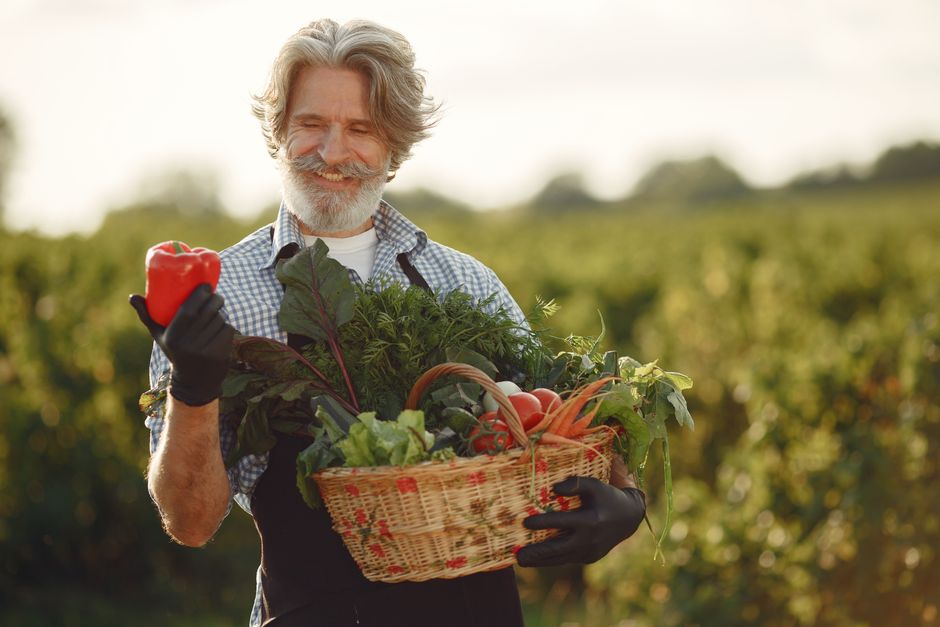
From a physical standpoint, gardening is a comprehensive workout. Activities like digging, raking, carrying mulch, and weeding engage various muscle groups, akin to functional exercises such as squats and lunges. This consistent, moderate physical activity contributes to calorie expenditure, improves balance, and enhances overall strength and flexibility. The physical demands of maintaining a garden, especially a larger rural one, can easily rival a gym session, providing exercise that is both enjoyable and productive.
Beyond the workout, a home garden directly impacts our diet. Gardeners are consistently more likely to incorporate a higher quantity of fresh vegetables into their daily meals. This direct access to nutrient-dense produce means a healthier, more balanced diet for the entire family. Imagine a diet rich with home-grown corn, potatoes, and vibrant salsa made from your own peppers and tomatoes. This immediate availability often leads to greater consumption of a wider variety of vegetables, fostering healthier eating habits.
Nutritional Impact of Home-Grown Produce
The nutritional benefits of home-grown produce are significant. Take peppers, for instance, which contain capsaicin, known for its anti-inflammatory properties and potential to reduce heart disease risk. Tomatoes are packed with Vitamin C, potassium, and lycopene, a powerful antioxidant linked to reducing the risk of certain cancers, including prostate cancer. Sweet potatoes, with their high beta-carotene content, contribute to slowing the aging process and may also lower cancer risks. Spinach and broccoli, staples in many gardens, offer a wealth of vitamins, minerals, and antioxidants crucial for overall health.
This direct access encourages not only consumption but also a deeper understanding of where our food comes from. For those looking to maximize their harvest, understanding seasonal vegetables to grow at home is key to year-round nutritional benefits.
Nutritional Benefit Home-Grown Produce Store-Bought Produce Freshness Harvested at peak ripeness, consumed immediately. Often picked unripe, travels long distances. Nutrient Density Higher, as nutrients degrade over time post-harvest. Can be lower due to storage and transit time. Pesticide Exposure Significantly lower, especially with organic practices. Varies, can be higher depending on farming methods. Flavor Often superior due to optimal ripeness and variety choice. May be compromised for shelf-life and transport. Variety Encourages diverse, heirloom, and specialty crops. Limited to commercially viable varieties. A study observed a notable increase in interest in gardening during the COVID-19 pandemic, highlighting a societal turn towards self-sufficiency and health when faced with uncertainty. This trend underscores the inherent human desire to connect with nature and secure fresh food sources, a desire that rural living fulfills abundantly.
Mental Well-being and Nature Immersion
Beyond the physical, gardening serves as a powerful tool for mental health. The act of tending to plants provides a therapeutic structure, a calming routine that can significantly reduce stress. Many gardeners find that the simple, repetitive tasks like pulling weeds or watering plants offer a meditative quality, allowing them to clear their minds and decompress after a long day. This hands-on engagement with the soil and plant life is a direct form of nature immersion, known to lower cortisol levels, improve mood, and enhance cognitive function.
The gratification of watching a garden grow and develop, from seed to harvest, offers immense emotional well-being. It fosters a sense of accomplishment and connection to the cycles of life. As one health professional with a decade of gardening experience notes, the routine of checking their garden after clinic work is a profound stress reliever. This personal perspective, combining clinical knowledge with practical experience, speaks volumes about the healing power of gardening.
The YouTube channel "Heartland Slow Living" beautifully captures this essence, showcasing how a year in a garden can be a cozy, mindful journey, reinforcing the idea that gardening is not just a hobby but a lifestyle choice that nurtures the soul. For more insights into the broader aspects of rural self-sufficiency, resources like Rural Living Today offer valuable tips on chickens, livestock, homesteading, and gardening, all contributing to a balanced, fulfilling life.
Maximizing Space and Privacy in the Countryside
One of the most compelling advantages of rural living for gardeners is the sheer abundance of space and the privacy it affords. Unlike urban or suburban settings where gardening might be confined to small plots or balconies, rural properties offer expansive canvases for horticultural dreams.
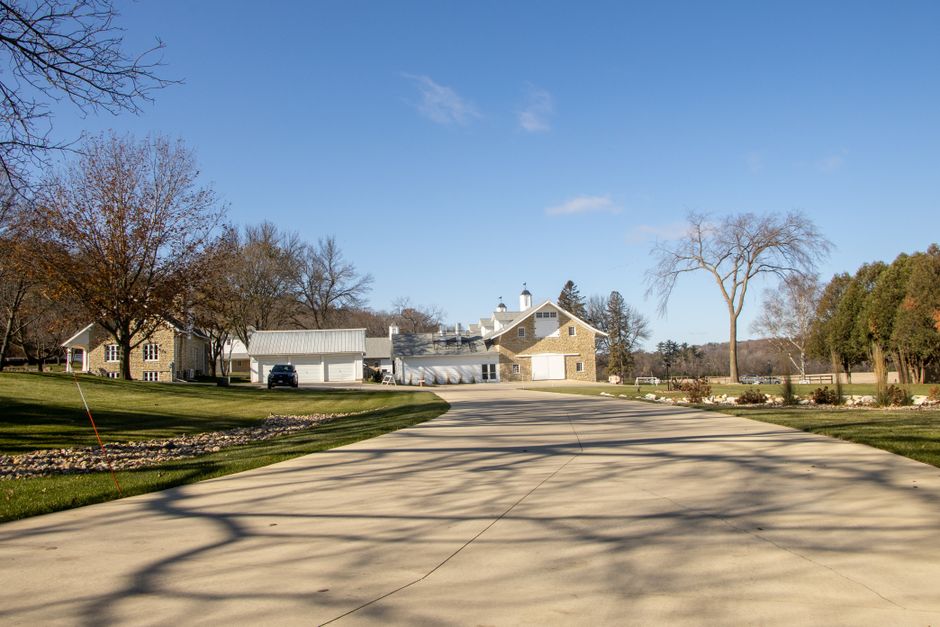
Imagine the freedom to cultivate vast vegetable patches, establish sprawling orchards, or even dedicate acres to specialized crops. This generosity of space removes the limitations often faced by city gardeners, allowing for ambitious projects and diverse plantings. The legendary King Ranch, spanning over 825,000 acres across the South Texas plains, exemplifies the scale possible in rural land use, though most rural gardeners operate on a much smaller, yet still generous, scale.
Privacy is another significant perk. Rural gardeners often enjoy the solitude of their land, free from the scrutiny or restrictions of close neighbors or homeowners' associations. This allows for creative freedom in garden design, the use of natural pest deterrents that might be less welcome in close quarters, and the ability to pursue projects that require more land or time, without external pressures.
The Unique Advantages of Gardening and Rural Living
The absence of homeowners' association (HOA) restrictions is a major liberation for rural gardeners. While urban and suburban HOAs often dictate everything from fence height to plant types, rural properties typically grant owners full autonomy over their land. This means you can build that large composting system you've always wanted, cultivate an entire field of sunflowers, or even experiment with unique landscaping features without needing approval. This freedom fosters innovation and allows gardeners to truly tailor their environment to their vision.
The ample space also simplifies practices like large-scale composting. With more room, gardeners can establish multiple compost piles, managing organic waste from their kitchen and garden efficiently, enriching their soil naturally, and reducing reliance on external inputs. For those just starting out, understanding the basics of setting up a vegetable garden for beginners is crucial, and rural settings provide the ideal environment to learn and expand.
Moreover, the rural landscape lends itself perfectly to various DIY rural gardening projects. From building custom raised beds and cold frames to constructing elaborate trellises or even small greenhouses, the space and resources available in the countryside empower gardeners to undertake projects that might be impractical in urban settings. This hands-on approach not only saves money but also deepens the connection to the garden and the land.
Designing for Large-Scale Production
With vast acreage, rural gardeners can plan for large-scale production, moving beyond merely feeding a family to potentially supplying a local community or farmers' market. This could involve dedicating significant portions of land to specific crops, such as a pumpkin patch that becomes a local autumn attraction, or integrating an orchard with various fruit and nut trees.
Strategic planning is essential for maximizing these larger spaces. Techniques like using row covers can extend growing seasons and protect crops from pests, while crop rotation is vital for maintaining soil health and preventing disease over large areas. For inspiration on how to utilize larger spaces effectively, exploring diverse backyard vegetable gardening ideas can provide scalable solutions that translate well to rural properties. The goal is to create a productive, sustainable, and visually appealing landscape that fully leverages the unique advantages of country living.
Overcoming Challenges and Pests in Rural Environments
While rural gardening offers unparalleled benefits, it also presents its own set of unique challenges that require thoughtful solutions. These often revolve around wildlife, soil maintenance, and the practicalities of convenience.
One of the most significant differences between rural and urban gardening is the scale and appetite of the local wildlife. In the countryside, gardeners contend with larger, hungrier animals such as deer, rabbits, groundhogs, and even birds, all eager to sample your hard-earned harvest. These creatures can decimate a garden overnight if not properly managed, making robust protection strategies essential.
Soil maintenance in rural areas can also be a complex undertaking. While there might be more land, the quality of the soil can vary greatly, often requiring significant amendment and ongoing care to support productive gardening. Furthermore, the very "ruralness" that offers peace and quiet can also translate to a lack of convenience. Trips to hardware stores for supplies or specialized nurseries might involve significant travel time, making careful planning and resourcefulness crucial. The article "Country Gardening for Beginners: 6 Smart Tips for Success" provides excellent insights into these pros and cons, offering practical advice for navigating the rural gardening landscape.
Managing Common Herb Garden Pests and Wildlife
Effective wildlife management is paramount for a successful rural garden. For larger animals like deer, sturdy, tall fencing is often the most reliable deterrent. Fences should be at least 8 feet high to prevent deer from jumping over. For smaller critters like rabbits, chicken wire or hardware cloth buried a few inches into the ground can prevent burrowing. Netting can protect berry bushes and fruit trees from birds.
Beyond physical barriers, other strategies include using motion-activated sprinklers, scarecrows, or even planting deterrents like strongly scented herbs (though some deer may still test them). Understanding common herb garden pests and how to manage them organically is also crucial. This involves identifying specific pests, introducing beneficial insects, and employing organic sprays or companion planting techniques to protect your herbs without harming the environment. For a broader approach to chemical-free gardening, exploring organic vegetable gardening for beginners can provide foundational knowledge for a healthy, pest-resistant garden.
Soil Health and Infrastructure
The foundation of any thriving garden is healthy soil. In rural settings, it's particularly important to get your soil tested to understand its composition and nutrient deficiencies. The average soil, for example, is composed of roughly 5% organic material, 25% water, 25% gases, and 45% minerals. Knowing these ratios and your specific soil's profile allows for targeted amendments, such as adding compost, manure, or specific mineral supplements to improve fertility and structure. Resources like "Homestead on the Range" offer valuable insights into land management, including soil improvement, pasture care, and plant health, which are vital for rural gardeners.
Given the potentially large scale of rural gardens, efficient watering systems are a must. Relying solely on hand-watering can be impractical and time-consuming. Installing drip irrigation systems or soaker hoses can provide consistent, targeted watering, conserving water and saving effort. Rain barrels are another excellent addition, collecting rainwater for use in the garden and reducing reliance on well or municipal water sources. Planning for these infrastructural elements early can save significant time and resources in the long run.
Practical Steps for Self-Sufficiency and Community
The dream of self-sufficiency often drives individuals and families to rural living, and gardening is at the heart of this endeavor. Starting a successful rural garden, however, requires a thoughtful approach, especially for beginners.
One of the most crucial pieces of advice for new rural gardeners is to start small. The vastness of rural land can be overwhelming, and attempting to cultivate too large an area initially can lead to burnout and frustration. Begin with a manageable plot, learn the specifics of your local climate and soil, and gradually expand as your skills and confidence grow. Site selection is also paramount: consider factors like sunlight exposure (most vegetables need at least 6-8 hours of direct sun), proximity to a water source, and protection from strong winds or potential wildlife pathways.
The potential for self-sufficiency in rural settings is remarkable. It's often cited that on just 5 acres, it is possible to provide nearly 100% of the meat, dairy, and produce needs for a growing family. This level of productivity is a testament to the power of well-managed rural land and dedicated effort. For those looking to return to their roots and embrace this lifestyle, "The Prairie Homestead" offers inspiring stories and practical guidance on self-sufficient living.
Building Social Ties Through Gardening and Rural Living
While rural living often implies solitude, it also fosters strong community ties, particularly through gardening. Community gardens, whether formally organized or informal networks of neighbors sharing knowledge and resources, play a vital role in enhancing the rural gardening experience. A study comparing rural and urban community gardens found that rural initiatives promote well-being through a holistic community orientation, emphasizing shared goals and mutual support. Urban gardens, in contrast, often focus more on individual interactions with nature.
These social connections are invaluable. Planning gardens with friends in the spring, sharing surplus produce in the summer, and even hosting harvest parties like a salsa-making event in the fall, build camaraderie and reduce the isolation that can sometimes accompany rural life. Master gardener networks, often organized through local county agricultural offices, provide a fantastic resource for learning from experienced volunteers and building a supportive community. For those interested in the broader aspects of growing food, exploring organic vegetable gardening tips can lead to healthier harvests and more to share with neighbors.
Developing Lifelong Rural Skills
Rural living and gardening are powerful catalysts for developing essential life skills. Children growing up in these environments often gain a stronger work ethic and a deeper appreciation for where their food comes from. Farm chores, from tending animals to weeding garden beds, teach responsibility, physical strength, and problem-solving from a young age. This hands-on learning fosters resilience and self-reliance, skills that are increasingly valuable in today's world.
Beyond the garden, rural living encourages a broader embrace of sustainable practices and traditional skills. Food preservation techniques like canning, dehydrating, and freezing become essential for managing abundant harvests. Learning to maintain equipment, understand animal husbandry, and even basic carpentry for garden structures are all part of the rural living experience. Resources like "Living Life Rural" offer practical step-by-step guidance on raising livestock, growing a garden, and embracing a home-based lifestyle, empowering individuals to build confidence in their homesteading journey. These skills not only contribute to self-sufficiency but also create a healthier, more connected lifestyle for the entire family.
Frequently Asked Questions about Rural Gardening
We often encounter common questions from those embarking on or considering the journey of rural gardening. Here, we address some of the most frequent inquiries to provide clarity and guidance.
How much land is needed for total food self-sufficiency?
The amount of land required for total food self-sufficiency can vary significantly based on diet, climate, and gardening methods. However, a commonly cited benchmark suggests that approximately 5 acres can provide nearly 100% of the meat, dairy, and produce needs for a growing family. This estimate typically includes space for a milk cow, chickens, pigs, extensive vegetable gardens, and an orchard. This requires intensive, well-managed cultivation and often includes raising livestock. For those aspiring to this level of self-reliance, resources like "Country Living, Homesteading, Self Sufficient Living" offer a wealth of information and inspiration on how to achieve a sustainable lifestyle, regardless of your starting point.
What are the best ways to adapt a garden for physical limitations?
Gardening should be accessible to everyone, regardless of physical limitations. Several modifications can make the experience enjoyable and less strenuous:
- Raised Beds: These elevate the planting area, reducing the need for bending and kneeling. They can be built to varying heights to suit individual needs, even allowing for gardening from a seated position.
- Gardening Stools and Kneeling Pads: These provide support and comfort, reducing strain on the back and knees during tasks like weeding or planting.
- Long-Handled Tools: Tools with extended handles allow gardeners to reach further without excessive bending or stretching.
- Lightweight Tools: Opt for tools made from lighter materials to minimize fatigue during prolonged use.
- Vertical Gardening: Utilizing trellises, hanging baskets, and vertical planters can maximize space and bring plants to a more accessible height.
- Container Gardening: Growing vegetables and herbs in pots allows for flexibility in placement and easier access.
Embracing these adaptations ensures that the physical and mental benefits of gardening remain within reach for all. For foundational knowledge on sustainable practices, exploring the basics of organic gardening for beginners can help in creating a garden that is both productive and easy to manage.
How does rural gardening differ from urban gardening?
Rural gardening presents distinct advantages and challenges compared to its urban counterpart:
- Space Availability: This is the most obvious difference. Rural gardens typically have far more land, allowing for larger plots, orchards, and extensive composting systems, without the constraints of small yards or balconies.
- Wildlife: Rural gardeners contend with larger and more numerous wildlife (deer, rabbits, groundhogs) that can cause significant damage, necessitating robust fencing and deterrents. Urban gardens primarily deal with smaller pests like squirrels, birds, and insects.
- Privacy and Regulations: Rural properties generally offer greater privacy and fewer restrictions from HOAs or local ordinances, granting gardeners more freedom in design and practice. Urban gardens are often subject to stricter rules.
- Soil Quality: While rural areas offer more land, the soil quality can be highly variable and may require significant amendment. Urban soils can also be poor but might suffer from contamination issues.
- Community Orientation: As highlighted by research, rural community gardens foster well-being through a holistic community orientation, emphasizing shared efforts and mutual support. Urban gardens often prioritize individual interaction with nature.
- Convenience: Rural living often means longer drives to garden supply stores or specialized nurseries, requiring more planning and resourcefulness. Urban gardeners typically have easier access to amenities.
Despite these differences, the core principles of nurturing plants and connecting with nature remain universal. Whether in a bustling city or a serene countryside, the act of gardening enriches lives. For anyone looking to deepen their understanding of cultivation, regardless of location, it's beneficial to discover the basics of organic gardening to ensure healthy and sustainable practices,

FOLLOW ME ON SOCIAL MEDIA


No comments:
Post a Comment
I love reading and responding to comments but in order to get my reply you must ensure you are NOT a no-reply blogger. If you are, here are some quick steps to change that!
1. Go to the home page of your Blogger account.
2. Select the drop down beside your name on the top right corner and choose Blogger Profile.
3. Select Edit Profile at the top right.
4. Select the Show My Email Address box.
5. Hit Save Profile.