

Key Takeaways
- A court-martial can have severe effects on your military and post-service life.
- Understanding the court-martial process and your legal rights is crucial for a strong defense.
- Early action, such as securing qualified legal counsel, increases the likelihood of a favorable outcome.
- Military accused have specific rights protected under the UCMJ.
- Proactive steps can help restore reputation and continue a successful military career, even after charges are brought.
Table of Contents
- Understanding a Court Martial
- Your Rights During a Court Martial
- Building a Strong Defense Strategy
- Choosing the Right Legal Counsel
- Navigating the Court Martial Proceedings
- After the Verdict: Rebuilding and Moving Forward
- Conclusion
Facing a court-martial is one of the most serious challenges a service member can experience. Depending on the outcome, your military career, reputation, and future benefits may be at stake. Understanding the process and knowing your legal rights can make the difference between protecting your hard-earned career and facing irreversible consequences. For urgent guidance and legal representation, visit defendyourservice.com. Whether you are facing accusations of misconduct, criminal offenses, or violations of the Uniform Code of Military Justice (UCMJ), defending yourself in a court-martial requires a clear strategy, reliable support, and an understanding of possible outcomes. The right approach not only safeguards your professional future but also ensures your personal rights are respected throughout the process.
Understanding a Court Martial
A court-martial is the military’s formal criminal trial process, reserved for serious violations of military law. Unlike civilian courts, court-martials are conducted under the Uniform Code of Military Justice and fall into three types: summary, special, and general court-martials. The severity of charges and potential punishments increases from summary to general court-martial, with the latter handling felonies and, in some cases, carrying life-altering consequences, including imprisonment and a dishonorable discharge. Military members should not underestimate the significance of a court-martial. Outcomes can affect rank, pay, benefits, and future employment. Because these stakes are so high, service members are encouraged to seek expert legal representation to ensure fair treatment and the best possible defense.
Your Rights During a Court Martial
Every accused service member benefits from fundamental rights laid out under the UCMJ and the Constitution. These include the right to legal counsel, protection against self-incrimination, the right to remain silent, the right to present evidence and witnesses, and the ability to cross-examine witnesses brought by the prosecution. You also maintain the right to a fair and impartial trial by a judge or jury, depending on the case type. Understanding and exercising these rights can result in better outcomes. Missteps, such as answering questions without legal counsel present, can severely undermine your defense. Knowing these procedures empowers service members to avoid common pitfalls and procedural errors that prosecutors may exploit.
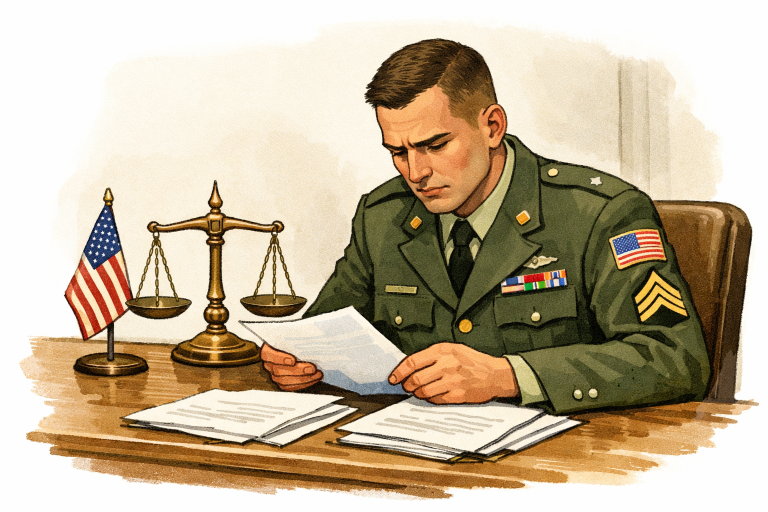
Building a Strong Defense Strategy
Developing an effective defense begins with swift action. Start by thoroughly documenting your version of events, gathering evidence, and identifying possible witnesses who can support your case. Time is critical, as memories fade and evidence can be lost. Coordination between you and your legal counsel is essential for analyzing your case's strengths and weaknesses and choosing the best legal strategies. Defenses might include proving that the accusation was wrongful, demonstrating a lack of intent, or highlighting violations of your rights during the investigation. Working closely with your attorney to identify procedural errors or inconsistencies can often lead to reduced charges or case dismissal. Complex cases may require expert witnesses, forensic analysis, or specialized legal motions.
Choosing the Right Legal Counsel
One of the most critical decisions you face is choosing legal representation. All service members facing court-martial have the right to a military-appointed attorney. Still, many choose to hire civilian defense lawyers with expertise in military justice for a more personalized approach. Civilian attorneys often bring a broader perspective and more time for dedicated defense than their military-assigned counterparts, who are frequently burdened by heavy caseloads. Experience matters in military law. When selecting a lawyer, look for a track record in court-martial cases, familiarity with military-specific sanctions, and clear communication. Your attorney should be accessible and proactive in explaining the process and potential outcomes at every stage.
Navigating the Court Martial Proceedings
Proceedings begin with pretrial hearings, where legal issues such as evidence admissibility and the qualifications of the court members are addressed. The trial phase involves presenting evidence, examining witnesses, and making legal arguments. Throughout this process, it is essential to remain professional, respectful, and engaged, as demeanor in court can influence the outcome. After the trial, sentencing determines the punishment based on the conviction and the UCMJ. Sentences can include rank reduction, confinement, dismissal, or even lifetime impacts such as registration for certain offenses. Defendants retain the right to appeal convictions and sentences through military appellate courts and, in some cases, through federal courts.
After the Verdict: Rebuilding and Moving Forward
A court-martial need not end your career or define your legacy. If acquitted, you may return to duty with restored standing. After conviction, service members may pursue appeals, request clemency, or seek administrative actions to mitigate career and reputational harm. Proactive documentation and engagement with rehabilitation or counseling services can improve recovery and prospects. Restoring your reputation and continuing a military or civilian career may require time and professional assistance. Veterans’ services, support organizations, and legal advocacy groups can help in job searches, accessing benefits, and rebuilding confidence. Staying proactive and informed are your greatest assets after a challenging legal experience.
Conclusion
Successfully fighting a court-martial is possible with the right knowledge, legal support, and preparation. Understanding your rights, swiftly building your defense, and approaching each step with diligence increase your chances of safeguarding your military career. Resources and experienced counsel are available to help you at every stage, allowing you to focus on your future with confidence and clarity.

FOLLOW ME ON SOCIAL MEDIA


No comments:
Post a Comment
I love reading and responding to comments but in order to get my reply you must ensure you are NOT a no-reply blogger. If you are, here are some quick steps to change that!
1. Go to the home page of your Blogger account.
2. Select the drop down beside your name on the top right corner and choose Blogger Profile.
3. Select Edit Profile at the top right.
4. Select the Show My Email Address box.
5. Hit Save Profile.