

Key Takeaways
- Small cracks, loose mortar, and white deposits can indicate water, drainage, or movement issues.
- Brick damage should be assessed by its pattern, location, rate of change, and condition around openings.
- Sydney's driving rain, coastal air in exposed suburbs, aging homes, and reactive soils can all affect masonry.
- Repointing, brick replacement, and crack filling work best when the underlying cause has been addressed first.
- Leaning walls, bulging sections, loose bricks above walkways, and rapidly widening cracks need prompt attention.
- Photos and routine inspections help owners identify active deterioration before repairs become more extensive.
Why Brickwork Fails in Sydney
Early Warning Signs to Watch
Regular visual checks give homeowners, strata managers, and commercial property owners a chance to spot developing masonry issues. Look at the whole wall elevations as well as isolated defects, because the surrounding area often provides useful clues.
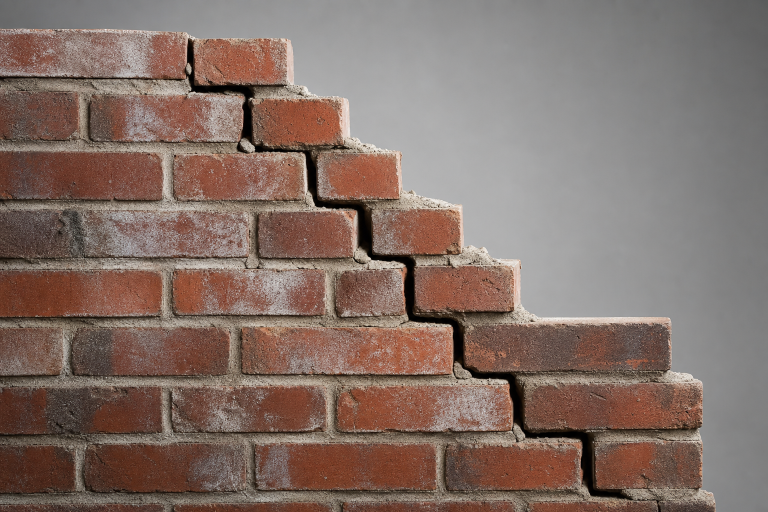
- Fine, diagonal, vertical, or stair-step cracks through bricks or mortar joints.
- Mortar joints that are deeply recessed, soft, missing, or crumbling.
- Loose, chipped, spalled, or flaking brick faces.
- White powdery deposits, dark staining, or persistent damp patches.
- Gaps around windows, doors, sills, roof lines, or service penetrations.
- Walls that bow, lean, separate from adjoining elements, or appear uneven.
- Vegetation, soil, paving, or garden beds positioned against brickwork.
Take photographs from the same distance whenever possible. A dated photo record can show whether a crack is stable, widening, or extending into adjacent bricks. It can also make discussions with a builder, bricklayer, or engineer much clearer.
How to Read Crack Patterns
Vertical and diagonal cracks
A narrow vertical crack can occur where different building materials move at different rates or where a wall section is under local stress. Diagonal cracks, especially those that follow mortar joints in a stair-step pattern, may be associated with movement in the wall or its supporting ground. Their significance depends on their width, location, and whether they continue to change.
Cracks near openings
Windows and doors interrupt the wall and concentrate stress around corners and lintels. Cracks above or beside an opening deserve a close check for water entry, corrosion, failed support, or movement. Doors and windows that begin sticking at the same time as new cracking can provide another reason to seek an assessment.
Horizontal cracks, bulging, and separation
Horizontal cracking, a bowed wall face, or separation between wall sections should be treated more cautiously than a small isolated surface mark. Keep people clear of any area where bricks are loose or where the wall appears unstable. SafeWork NSW notes that masonry walls can fail due to side loads, inadequate support, or adjacent excavation, which is particularly relevant before demolition, excavation, or major alteration work.
Moisture, Staining, and Efflorescence
Water is a frequent cause of brickwork deterioration. It may enter through failed pointing, cracked sealant, overflowing gutters, damaged roof edges, blocked weep holes, leaking pipes, or poorly directed surface water. Once moisture enters a wall, staining may appear some distance from the original entry point. Efflorescence is the pale, powdery residue sometimes visible on brickwork. It occurs when water carries dissolved salts to the surface as it evaporates. A small amount may be temporary, particularly on newer work, but recurring deposits show that moisture is moving through the masonry and should not be ignored. Drainage deserves attention before cosmetic work begins. NSW guidance on brickwork maintenance recommends that owners stabilize moisture around clay sites through adequate drainage, repair plumbing leaks, and record larger cracks. Check whether downpipes discharge away from the building and whether garden beds or paving are trapping water against the wall.
Repair or Replace: Making the Right Call
Not every damaged brick needs replacement. Localized mortar loss may be addressed with careful repointing, while a brick with severe cracking, face loss, or instability may need to be removed and replaced. The right method depends on the extent of deterioration and its cause.
- Identify whether damage is isolated or repeated across a larger wall area.
- Check for moisture sources above, below, and beside the defect.
- Inspect nearby gutters, flashings, drainage, joints, openings, and services.
- Confirm whether cracks are stable or actively changing.
- Use a compatible repair material that suits the existing brick and mortar.
Mortar compatibility is important, especially on older Sydney buildings. A repair mortar that is much harder than the surrounding material can alter how the wall responds to movement and moisture. Matching color is useful, but strength, texture, depth, and joint profile also matter.
A Safe Inspection Process
Start from ground level and avoid climbing ladders onto questionable surfaces. Use binoculars for upper stories, parapets, chimneys, and walls above awnings. Never pull at loose bricks or remove material from a wall that may need support.
- Photograph each wall broadly, then record close-up images of defects.
- Note the date, exact location, and any recent rain, excavation, or building work.
- Check indoor areas for matching stains, cracking, mould, or peeling finishes.
- Inspect gutters, downpipes, roof edges, sills, and ground drainage.
- Record changes on a simple site sketch and compare them over time.
Common Repair Mistakes to Avoid
- Painting or sealing damp brickwork before finding the water source.
- Filling an active crack without investigating why the wall moved.
- Using aggressive pressure washing on weak bricks or open mortar joints.
- Installing hard mortar into an older wall without considering compatibility.
- Removing multiple bricks from a load-bearing area without appropriate support.
- Ignoring loose masonry above paths, entrances, balconies, or occupied areas.
A Simple Maintenance Plan
A practical routine can reduce surprises. Check brickwork seasonally, inspect it after severe weather, and pay extra attention after nearby excavation or renovation work. Keep gutters and drainage paths clear, trim vegetation away from walls, and compare new photos with earlier records annually. Seek professional advice before applying filler, paint, waterproof coatings, or replacement mortar where defects are spreading, walls are distorted, or moisture is persistent. Early investigation can preserve more of the original masonry and help prevent a manageable repair from becoming a larger safety issue.
Final Thoughts
Brickwork often provides warning signs well before serious deterioration becomes obvious. Cracks, loose or deteriorating mortar, damp patches, white deposits, staining, bulging sections, and changes in wall alignment can all warrant closer attention, particularly in older Sydney properties exposed to rain, moisture, wind, and coastal conditions. These signs do not always indicate a major structural problem, but they should be documented and monitored rather than ignored. Record the location, size, appearance, and any changes over time, and consider whether the issue becomes more noticeable after heavy rain or other weather events. Where materials appear unstable or sections of masonry may become loose, appropriate precautions should be taken to protect residents and visitors. The likely cause should be investigated before repairs are selected, as repointing, drainage improvements, waterproofing, crack repairs, or more extensive remedial work may be appropriate depending on the condition. Choosing repairs that suit the age, construction, exposure, and existing materials of the Sydney property can help support a more practical and lasting maintenance approach.

FOLLOW ME ON SOCIAL MEDIA


No comments:
Post a Comment
I love reading and responding to comments but in order to get my reply you must ensure you are NOT a no-reply blogger. If you are, here are some quick steps to change that!
1. Go to the home page of your Blogger account.
2. Select the drop down beside your name on the top right corner and choose Blogger Profile.
3. Select Edit Profile at the top right.
4. Select the Show My Email Address box.
5. Hit Save Profile.