

Key Takeaways
- Regular professional roof inspections are essential before winter and storm seasons.
- Cleaning gutters, trimming branches, and checking attic insulation can significantly reduce the risk of leaks and ice dams.
- Simple maintenance steps, such as clearing debris and securing loose shingles, can prevent major storm-related damage.
- Having an emergency roof repair kit ensures readiness for unexpected issues that may arise during severe weather.
Winter and storm seasons put your home's roof to the test, making proactive care and maintenance utterly essential. As temperatures drop and harsh weather sets in, any overlooked problem can quickly turn into costly damage. Consulting an expert roofer in Chicago is a practical starting point for homeowners, especially in regions prone to heavy snowfall or storms.
The combination of wind, snow, rain, and ice can reveal vulnerabilities you might never notice during milder seasons. By addressing these issues now, you not only prolong your roof’s lifespan but also ensure the safety and comfort of your living space. Severely damaged roofs can lead to leaks, mold growth, and even compromised structural integrity.
Following a well-structured checklist is key. Preparing your roof isn't just about repair—it's about prevention, from cleaning gutters to inspecting attic insulation. The goal is to minimize risk and maximize protection against winter’s unpredictability.
Take the time to address each point below, so your family and home remain secure no matter how severe the weather becomes.
Schedule a Professional Roof Inspection
Every robust winterization plan should begin with a full-scale, professional roof inspection. Certified roofing contractors possess the expertise to assess wear you might otherwise miss—such as cracked flashing, deteriorated shingles, or weak spots around chimneys and skylights. Early intervention can help prevent leaks and insulation failures that often occur when snow and ice accumulate. According to Mercury Insurance, scheduling inspections before the season starts ensures that preventive repairs are made when it’s easiest and safest to do so.
Clean Gutters and Downspouts
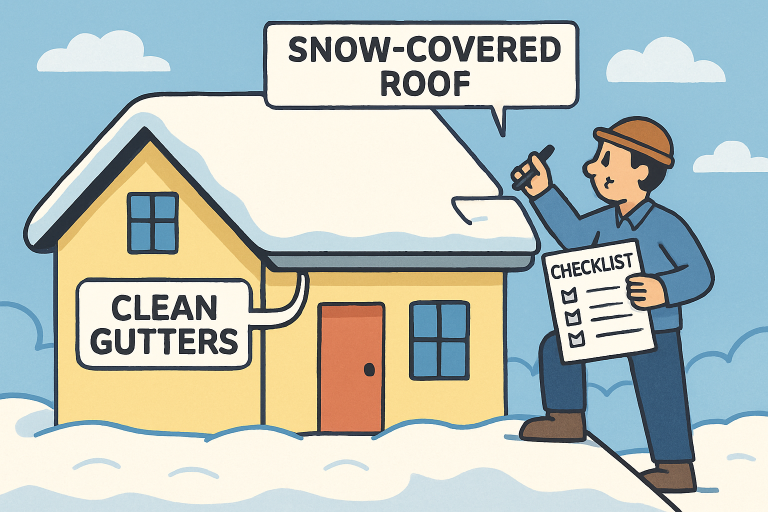
Gutters filled with leaves or debris are a recipe for ice dams, which block proper drainage and cause water to back up beneath shingles. Clogged systems can also accelerate the deterioration of fascia boards and the roof’s edge. Clean your gutters thoroughly and consider installing guards to reduce future clogs.
Trim Overhanging Branches
Tree limbs encroaching on your roofing can pose a serious hazard during snow or wind storms. Heavy branches can break and fall, puncturing shingles or damaging gutters. Regular trimming ensures that the nearest branches remain at a safe distance from your home, greatly lowering the risk of sudden impact damage and making maintenance chores safer and easier.
Check for Roof Leaks and Insulate Attic
Inspect your attic and ceilings for signs of water stains, moisture accumulation, or damp walls, as these often indicate underlying leaks. Proper insulation acts as your first line of defense, helping regulate indoor temperature and preventing warm air from escaping, which can lead to ice dams on your roof. Also, ensure that all attic vents remain clear to promote healthy airflow and prevent damage caused by condensation.
Install Heat Cables
For homes in areas with a history of ice damming, installing heat cables along vulnerable roof edges and in gutters can offer crucial protection. These heated cables maintain a more consistent temperature, preventing dangerous ice buildup and allowing melting snow to drain safely. This step is particularly valuable for older roofs or those with minimal pitch. Homes & Gardens recommends installing heat cables as a proactive measure to prevent ice dams.
Remove Roof Debris
Leaves, twigs, moss, and other debris can hold moisture against your shingles, hastening deterioration and increasing the risk of leaks. Using a soft-bristled broom or a leaf blower, carefully clear your roof’s surface before ice and snow arrive. Avoid using pressure washers or harsh cleaning tools, as they can damage roofing materials and void your warranty.
Secure Loose Shingles and Flashing
Loose or missing shingles and compromised flashing around roof penetrations are prime entry points for water during storms. Inspect the entire roof surface, paying particular attention to areas near chimneys, vents, and skylights. Replace damaged shingles, reseal vulnerable flashing, and reinforce any weak spots you find. This fast, simple investment can save you from larger repairs after severe winter weather.
Prepare an Emergency Repair Kit
Even the best-prepared roof can suffer unexpected damage during extreme weather conditions. Stock an emergency roof repair kit including waterproof tarps, roofing nails, duct tape, and a flashlight. With these supplies on hand, you can temporarily patch holes or cover leaks until a professional can complete a permanent fix.
Final Thoughts
Winter and storm seasons present unique challenges to any homeowner, but adhering to a comprehensive roof preparation checklist provides invaluable peace of mind. With regular inspections, routine maintenance, and an emergency plan in place, you’re well-positioned to protect your home, your belongings, and your loved ones from the elements all season long.

FOLLOW ME ON SOCIAL MEDIA


No comments:
Post a Comment
I love reading and responding to comments but in order to get my reply you must ensure you are NOT a no-reply blogger. If you are, here are some quick steps to change that!
1. Go to the home page of your Blogger account.
2. Select the drop down beside your name on the top right corner and choose Blogger Profile.
3. Select Edit Profile at the top right.
4. Select the Show My Email Address box.
5. Hit Save Profile.