

Key Takeaways
- Understanding your specific assault charge is vital to preparing a strong defense in Georgia.
- Immediate actions include knowing your rights and securing experienced legal representation.
- Evidence preservation, proper defense preparation, and legal compliance directly impact your case outcome.
- Recent legislative changes in Georgia may affect sentencing, making it essential to stay informed.
- Maintaining a clean record during legal proceedings is crucial for a favorable resolution.
Table of Contents
- Understanding Assault Charges in Georgia
- Immediate Actions Post-Arrest
- Gathering and Preserving Evidence
- Understanding Potential Defenses
- Complying with Legal Procedures
- Exploring Plea Bargains and Trial Options
- Considering the Impact of Recent Legislation
- Maintaining a Clean Record During Proceedings
- Conclusion
Understanding Assault Charges in Georgia
Being charged with assault in Georgia can be an overwhelming experience, as state law distinguishes between simple and aggravated assault, each carrying different legal risks and penalties. Knowing the precise nature of your charge early on can help you understand your rights and the potential consequences you could face. For anyone navigating this challenging process, working with a skilled legal advocate from the start, such as Brianhobbslaw.com, can make a significant difference in how your case is managed and resolved.
Assault allegations in Georgia may arise from a wide range of situations, from verbal threats to incidents involving physical contact or weapons. The severity of the charge often depends on whether physical harm was threatened or inflicted, whether weapons were used, and the circumstances of the incident. Crafting a robust defense depends on careful examination of these details and timely legal guidance.
You must know the distinctions: Simple assault is generally a misdemeanor, whereas aggravated assault—a charge involving a deadly weapon or intent to injure seriously—is a felony. Each of these charges involves distinct legal processes and potential penalties, underscoring the importance of clear, experienced representation.
Staying informed and actively participating in your defense from the very beginning not only protects your rights but can also help prevent common pitfalls in these cases.
Immediate Actions Post-Arrest
- Exercise Your Right to Remain Silent: Immediately after you are arrested, avoid answering questions without your attorney. Anything you say may be used against you, so stay calm and exercise your right to remain silent until legal counsel is present.
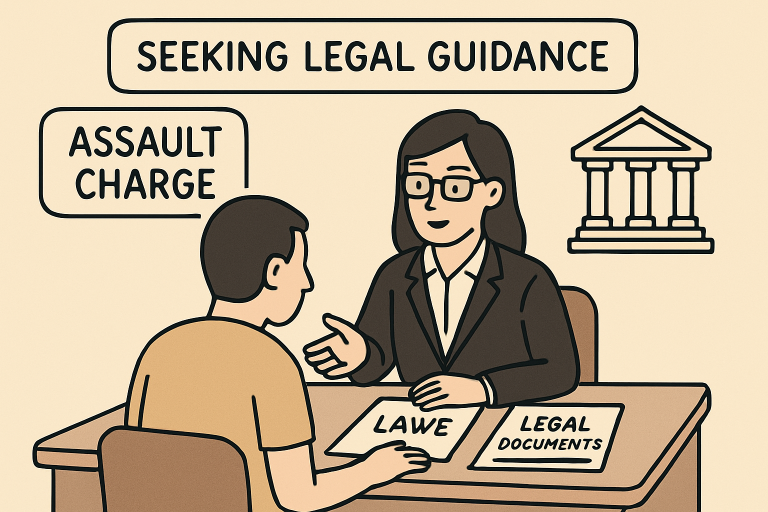
- Seek Legal Representation: Contact a defense attorney with experience in Georgia assault cases as quickly as possible. Legal professionals who are familiar with both state law and local court procedures are best equipped to protect your interests and advise you at each stage of the process.
Making these moves promptly helps you avoid missteps that could harm your defense, such as inadvertently admitting guilt or providing statements that may be misconstrued by law enforcement. Additionally, quick access to an attorney ensures you understand your rights and potential legal outcomes from the start, allowing you to make informed decisions throughout your case.
Gathering and Preserving Evidence
Evidence plays a critical role in defending you against assault charges. Take the following steps as early as possible:
- Document the Incident: Write a thorough and accurate description of everything you recall about the alleged event, including conversations, physical interactions, and anything unusual you noticed before or after the incident.
- Identify Witnesses: Gather a list of individuals who may have seen or heard what happened and can provide statements that support your side of the story.
- Preserve Physical Evidence: Keep any clothing, photos, objects, or surveillance footage connected to the incident. Physical evidence can sometimes make or break a case.
The sooner evidence is gathered and preserved, the more reliable it will be, and the stronger your defense can become.
Understanding Potential Defenses
Not every assault charge results in a conviction. Potential defenses include the following:
- Self-Defense: If you were defending yourself from an imminent threat, this can be a valid defense in Georgia courts, particularly if the force you used was proportional to the threat faced.
- Lack of Intent: Proving that the alleged action was accidental or misinterpreted can be effective in some situations, especially when there is a misunderstanding or mistaken identity.
- Alibi: If you were not present at the scene of the incident, providing proof of your whereabouts can discredit the prosecution's case.
Your attorney will help determine the best approach based on the unique facts of your case. Being open and honest with your legal representative is crucial for building an effective strategy.
Complying with Legal Procedures
The court process can be complex, and mishandling even small requirements can have serious consequences. To avoid pitfalls:
- Attend All Court Appearances: Missing court can result in additional charges, such as failure to appear, and a possible warrant for your arrest.
- Follow Legal Advice: Always listen to your attorney's direction regarding what to say, how to behave, and which documents to file with the court. Strict compliance with their advice protects your best interests.
Exploring Plea Bargains and Trial Options
In some cases, it may be advantageous to consider a plea bargain, which could reduce your charges or sentence in exchange for a guilty plea to a lesser offense. According to Britannica, plea bargaining is a common legal practice that can help resolve cases efficiently while potentially mitigating penalties. Your attorney will discuss all available options and help you decide if going to trial or negotiating a plea is best for your circumstances. Well-informed decisions at this stage can significantly influence the resolution of your case.
Considering the Impact of Recent Legislation
Georgia laws regarding assault charges and sentencing guidelines are constantly evolving. Recent legislative updates have been aimed at reducing prison sentences for select offenses, including some assault charges, which could play a crucial role in your case outcome. It's essential to remain aware of any changes that could benefit your defense or affect your sentencing if convicted.
Maintaining a Clean Record During Proceedings
While your case is pending, it's essential to avoid any behavior that could be used against you by the prosecution. This means:
- Stay Out of Legal Trouble: Additional arrests or citations can complicate your existing charges and undermine your defense.
- Limit Public Statements: Avoid discussing your case on social media or in public forums, as prosecutors and investigators often monitor such outlets for potentially incriminating statements.
Maintaining appropriate conduct demonstrates your respect for the legal process and safeguards the integrity of your defense.
Conclusion
An assault charge in Georgia is a serious legal matter requiring swift, knowledgeable, and strategic responses. By familiarizing yourself with the specific charges, seeking immediate legal counsel, collecting and safeguarding evidence, following legal procedures, and staying informed about new laws, you give yourself the best chance for a favorable outcome. Every legal case is different, and only a tailored legal approach based on sound advice can protect your rights at each step of the process.

FOLLOW ME ON SOCIAL MEDIA


No comments:
Post a Comment
I love reading and responding to comments but in order to get my reply you must ensure you are NOT a no-reply blogger. If you are, here are some quick steps to change that!
1. Go to the home page of your Blogger account.
2. Select the drop down beside your name on the top right corner and choose Blogger Profile.
3. Select Edit Profile at the top right.
4. Select the Show My Email Address box.
5. Hit Save Profile.