

Key Takeaways:
- Pet loss can be a child's first encounter with death, offering a chance for emotional growth.
- Adults should model healthy grieving behaviors to help children process their emotions.
- Memorializing pets can aid the entire family in the healing process.
- Recognizing and validating grief is crucial for both children and adults.
The Profound Impact of Losing a Family Pet
Within many households, pets are not just animals; they are beloved companions who create memories, provide comfort, and become woven into the daily fabric of family life. When a pet passes away, the emotional toll can be unexpectedly deep, especially for children experiencing the concept of death for the first time. In these moments, families may turn to specialized services like Heavenly Paws Pet Aquamation to help memorialize their pets in a gentle, respectful way, underscoring the importance of honoring the life they shared.
The death of a pet introduces children to complex emotions, sadness, confusion, and even fear, making it a critical teaching moment. Parents and caregivers can use this time to gently explain the reality and permanence of loss, helping children understand that grieving is both normal and necessary. According to child psychologists, these early experiences, when supported thoughtfully, can nurture emotional growth, resilience, and empathy.
Modeling Healthy Grieving Behaviors
Children instinctively look to adults to understand how to process strong emotions. By openly expressing sorrow or sharing treasured memories, parents can model healthy responses to grief. This visibility reassures children that it’s acceptable to mourn and that such feelings are a natural response to loss. When families embrace open, honest communication about their pet’s passing, children learn it is safe to express their own grief, reducing feelings of isolation or shame.
Experts from The New York Times note that children, when supported by empathetic adults, are more likely to talk openly about their emotions, ask important questions, and develop emotional strength.
Memorializing Pets to Aid Healing
Creating ways to honor a lost pet can be profoundly therapeutic, especially for young children who benefit from concrete rituals. Simple acts, like organizing a farewell ceremony, making a memory box, or drawing pictures of the pet, help validate the loss and provide structure during a difficult time. Planting a tree in the pet's memory or making a donation to an animal charity are also meaningful ways for families to celebrate the positive impact their companion had on their lives.
These tangible acts of memorialization offer closure, helping children and adults move forward while continuously cherishing the pet’s legacy as a source of comfort and connection.
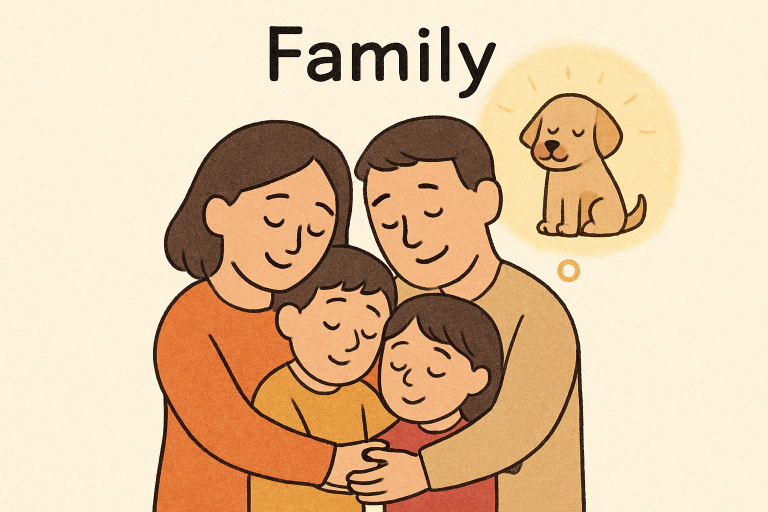
Recognizing and Validating Grief
The grief caused by the loss of a pet is as real and valid as grief over any other loved one. Sometimes, well-intentioned adults may try to minimize a child's sadness, saying the pet was “just an animal” or promising a new one. However, these approaches can unintentionally exacerbate feelings of guilt or confusion. Instead, it’s vital to offer empathy, reassurance, and plenty of opportunities to talk openly about the hurt, as recommended by experts at Psychology Today.
Providing a supportive environment encourages honest conversations about death and helps normalize grief, ultimately leading to a healthier emotional recovery.
Supporting Children Through Pet Loss
Children react to pet loss in various ways some may cry openly, while others become withdrawn or irritable. Open-ended questions, gentle prompts, and patient listening are key strategies for helping them communicate their feelings. Reassure children that there is no right or wrong way to grieve, and emphasize that all emotions, including sadness or anger, are natural and accepted.
When parents listen without judgment, children are more likely to process their grief constructively, build coping skills, and develop empathy for others who will face loss in the future.
Seeking Professional Support When Needed
For some, especially children with sensitive temperaments or previous experiences with loss, grieving a pet can trigger significant distress. If a child’s sadness does not ease over time or if there are notable behavioral changes, it may be helpful to consult a counselor or therapist specializing in grief. Professional assistance offers tailored support and helps prevent long-term emotional difficulties, ensuring children and their families receive the tools needed for healing.
Understanding the Unique Bond Between Pets and Families
What makes the loss of a pet so impactful is the profound, unconditional love pets share with their human families. Pets offer companionship, reduce stress, and foster a sense of security and belonging. The depth of this bond explains the intensity of grief following their passing, reaffirming that it’s healthy and even necessary to acknowledge the pain and take time to mourn.
Conclusion
The loss of a beloved pet is a significant milestone in a family’s life. By addressing the grief directly, modeling healthy grieving habits, and creating rituals of remembrance, families can navigate their sorrow together. It’s important to remember that seeking outside support is an act of care for both adults and children. The sadness you feel is a testament to the love and companionship your pet brought into your home, and it is okay to allow yourself and your family the grace to grieve and heal.

FOLLOW ME ON SOCIAL MEDIA


No comments:
Post a Comment
I love reading and responding to comments but in order to get my reply you must ensure you are NOT a no-reply blogger. If you are, here are some quick steps to change that!
1. Go to the home page of your Blogger account.
2. Select the drop down beside your name on the top right corner and choose Blogger Profile.
3. Select Edit Profile at the top right.
4. Select the Show My Email Address box.
5. Hit Save Profile.