

Key Takeaways
- Choose ingredients that can appear in more than one meal.
- Make vegetables, fruit, beans, whole grains, and healthy fats the foundation of the list.
- Use frozen and canned foods when they better fit the budget or reduce spoilage.
- Save specialty purchases for ingredients that bring value across several dishes.
- Plan a few core meals before shopping, rather than buying a different recipe every night.
Building a Mediterranean-style grocery list in Ottawa does not require a cart full of expensive specialty foods. It starts with practical ingredients that can cover several meals, including vegetables, fruit, beans, grains, olive oil, herbs, and affordable proteins. For shoppers who want both everyday staples and European flavors, the European grocery store Farmer's Pick is an Ottawa family-run Italian grocery store on Prince of Wales Drive with fresh produce, a deli, fine cheese, meats, bakery items, and imported foods. Farmer's Pick is a useful local stop for comparing familiar pantry basics with ingredients that can add variety to Mediterranean-inspired meals.
The Mediterranean approach is flexible rather than strict. Ottawa households can build meals around local produce when available, use frozen vegetables during the colder months, and add imported items selectively for flavor. The goal is not to reproduce one regional cuisine exactly. It is about shopping with intention, wasting less food, and making satisfying meals from a short, adaptable list.
What Mediterranean Shopping Means in Ottawa
Mediterranean-style eating commonly emphasizes vegetables, fruit, legumes, whole grains, nuts, seeds, olive oil, seafood, and modest portions of dairy or meat. It also leaves room for family traditions, dietary needs, and foods that are realistically available in Ottawa. The balanced approach in Canada's food guide plate offers a similarly practical starting point: build meals with plenty of vegetables and fruit, whole grain foods, and protein foods.
How to Build the Grocery List
Begin before you enter the store. Choose three or four dinners, then add the basics for breakfast, lunch, and snacks. Check the refrigerator, freezer, and pantry first so you do not buy duplicates. Set a weekly spending limit, especially if you plan to purchase cheese, olives, specialty pasta, or other higher-cost items.
- Pick meals that share ingredients.
- Write down what you already have.
- Buy perishable foods in realistic amounts.
- Organize the list by produce, pantry, protein, dairy, and freezer sections.
For example, tomatoes, onions, garlic, chickpeas, parsley, and whole-grain pasta can be made into pasta with vegetables, chickpea salad, tomato soup, or a grain bowl. That overlap is what makes a list economical.
Start With Fresh Produce
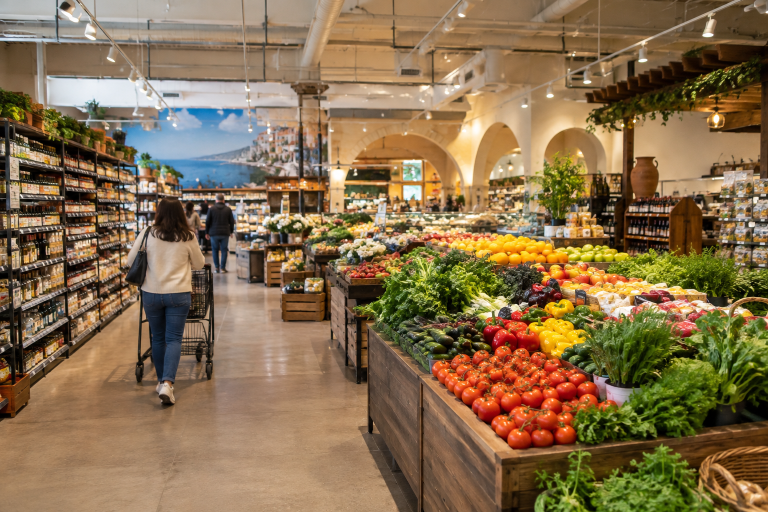
Produce deserves the largest share of the cart because it can move easily between meals. Choose a mix of quick-use vegetables, such as spinach, cucumbers, tomatoes, peppers, and berries, along with longer-lasting options like carrots, onions, cabbage, apples, and oranges.
Useful produce choices
- Vegetables: broccoli, zucchini, leafy greens, tomatoes, peppers, cucumbers, carrots, onions, and garlic.
- Fruit: apples, bananas, citrus, grapes, pears, berries, and seasonal selections.
- Fresh herbs: parsley, basil, dill, mint, or cilantro.
- Backups: frozen spinach, peas, green beans, and mixed vegetables for busy weeks.
Choose Flexible Pantry Staples
A compact pantry supports fast meals without turning into a collection of forgotten jars. Keep extra-virgin olive oil, canned tomatoes, tomato paste, canned or dried beans, lentils, oats, brown rice, barley, whole-grain pasta, vinegar, dried herbs, spices, nuts, and seeds. Canned tuna, sardines, or salmon can also provide a convenient meal base.
Compare unit prices rather than package prices alone. Larger packages can be a good value only when your household will use them while the food is still at its best. Store brands can also be a sensible choice for basics such as beans, oats, canned tomatoes, and rice.
Add Affordable Protein Options
Variety matters more than following a rigid protein rule. Beans, lentils, chickpeas, eggs, tofu, hummus, nuts, and seeds can keep costs manageable. Add plain yogurt, feta, cottage cheese, canned or frozen fish, chicken, or lean ground meat, depending on preference and budget. A small amount of chicken or cheese can add flavor and substance to a vegetable-heavy dish without needing to be the center of every plate.
Use Seasonal Shopping to Control Costs
Ottawa's seasons make flexibility especially useful. Fresh summer tomatoes and berries may be appealing when plentiful, while winter meals can lean on cabbage, carrots, onions, apples, citrus, frozen vegetables, and canned tomatoes. Compare fresh, frozen, and canned versions of the same food, then choose the option that fits your plans. Frozen berries for breakfast and frozen spinach for soup can prevent waste when fresh items would not be used quickly.
Add Imported Ingredients With Purpose
Imported foods can make simple meals feel special, but they work best as accents rather than the entire grocery budget. Choose one versatile olive oil, a cheese you can use several ways, or a jar of olives, capers, roasted peppers, or pesto. Parmesan, for example, can finish pasta, roasted vegetables, bean soup, omelets, and salads. Buy specialty items with a specific plan for using them more than once.
Turn the List Into a Weekly Meal Plan
- Make one pasta or grain-based dinner.
- Make one bean or lentil meal.
- Make one egg, fish, or poultry meal.
- Roast a large tray of vegetables for multiple uses.
- Wash fruit and portion snacks early in the week.
- Keep one quick option, such as eggs on toast, tuna sandwiches, or soup, for busy evenings.
Leftovers should have a second job. Roasted vegetables can be used as a sandwich filling, an omelet ingredient, a pasta topping, or a grain bowl. Cooked lentils can move from soup to salad, while extra chicken can become a wrap or lunch bowl.
Common Grocery List Mistakes
- Buying too many recipes: Plan two or three core dinners, then repeat ingredients in new combinations.
- Starting with specialty foods:Cover breakfasts, lunches, produce, and pantry basics first.
- Ignoring storage life: Use delicate greens and berries early, then save sturdier produce for later.
- Assuming fresh is always best, use frozen or canned options when they better fit your schedule.
- Forgetting lunch: Intentionally plan leftovers, wraps, soups, or grain bowls.
Sample Seven-Day Grocery List for a Small Ottawa Household
- Produce: tomatoes, spinach, cucumbers, peppers, onions, garlic, carrots, broccoli, lemons, apples, oranges, and bananas.
- Pantry: chickpeas, lentils, canned tomatoes, oats, brown rice, whole-grain pasta, olive oil, vinegar, and dried herbs.
- Protein and dairy: eggs, plain yogurt, canned tuna, chicken, feta, and nuts.
- Freezer: frozen berries, peas, spinach, or fish.
- Optional flavor items: olives, capers, parmesan, roasted peppers, or pesto.
This list can support oatmeal with fruit, chickpea salad, lentil soup, vegetable pasta, roasted chicken with vegetables, tuna grain bowls, and egg sandwiches. A well-built Mediterranean grocery list is not about perfection. It is about buying flexible foods that help Ottawa households cook colorful, practical meals while keeping waste and weekly spending in check.

FOLLOW ME ON SOCIAL MEDIA


No comments:
Post a Comment
I love reading and responding to comments but in order to get my reply you must ensure you are NOT a no-reply blogger. If you are, here are some quick steps to change that!
1. Go to the home page of your Blogger account.
2. Select the drop down beside your name on the top right corner and choose Blogger Profile.
3. Select Edit Profile at the top right.
4. Select the Show My Email Address box.
5. Hit Save Profile.