

Key Takeaways
- Identify and seal any potential entry points to block rodent access.
- Keep living spaces spotless to deprive rodents of food and water sources.
- Inspect and repair your home’s exterior regularly for lasting rodent defense.
Rodents pose serious risks to health and property, making prevention a top priority for homeowners. An effective strategy involves understanding rodent behavior, routine inspection, and combining cleaning with targeted exclusion methods. Knowing where to look and how to fortify your home is essential to creating a safe, clean environment. Discover more about comprehensive rodent exclusing and proofing methods to keep your home protected.
Even a minor lapse in home maintenance or cleanliness can invite rodents looking for food, water, or shelter. Proactive homeowners who enforce preventative measures not only protect their living spaces but also avoid the costs and inconvenience of infestations. Addressing vulnerabilities before rodents gain access to buildings leads to safer, healthier living conditions.
Taking strong preventive measures drastically decreases your risk of unwelcome rodent guests. Simple habits, such as storing food securely and promptly repairing damaged screens, can make your home less attractive to pests. Outdoor maintenance is equally important, as overgrown vegetation and clutter provide easy hiding spots and entry opportunities.
Partnering with providers who deliver expert insulation and ductwork services can enhance your home’s protective barrier by addressing common entryways and structural vulnerabilities, benefiting both rodent exclusion and energy efficiency.
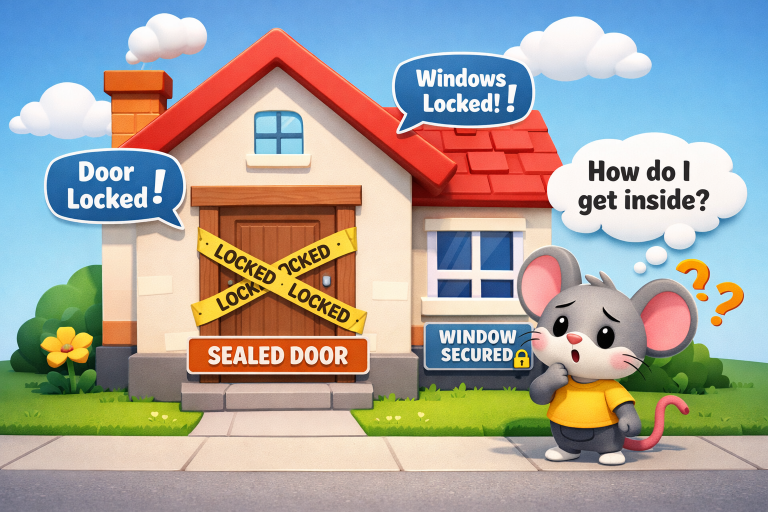
Understanding Rodent Behavior
Mice, rats, and other rodents are skilled at capitalizing on human environments. They exploit gaps and cracks as small as a dime, guided by the search for shelter, food, and water. Their ability to move quickly and climb, coupled with their ability to gnaw through various materials, makes it crucial to understand their logic. Recognizing patterns, such as activity at night or around food storage, empowers you to address issues before problems escalate.
Rodents are also attracted by consistent food and water availability. Accessible pantries, crumbs, and unattended pet dishes all make your residence more appealing. Addressing these attractants deters initial entry and ongoing infestations. For further details on rodent patterns, the Centers for Disease Control and Prevention offers valuable guidance.
Sealing Entry Points
Homeowners should start rodent exclusion by thoroughly checking the exterior of their homes. Key areas include foundations, where utility pipes enter, vents, and door or window frames. Small cracks, holes, and unsealed spaces are all opportunities for rodent intrusion. Use high-quality materials such as steel wool, caulk, and metal sheeting. These materials withstand gnawing and effectively block rodents from squeezing inside. Always remember that if a rodent can fit its head in a space, its body will follow. Special attention should be paid to garages, attics, and basements, as these are common entry points.
Maintaining Cleanliness
Cleanliness within the home is a powerful deterrent to rodents. Store dry foods in sealed, airtight containers and avoid leaving food out on counters. Quickly wipe up spills and crumbs, and never leave pet food overnight. Controlling and promptly disposing of your garbage is also key, using sealed bins to prevent access. Routine vacuuming, sweeping, and wiping down surfaces eliminates scents and residue that can attract rodents. This preventive approach also reduces the risk of secondary pests, such as cockroaches.
Managing Outdoor Spaces
Outdoor maintenance complements indoor routines in discouraging rodent activity. Trim bushes, shrubs, and tree limbs to prevent rodents from gaining easy access to roofs and upper stories. Keep woodpiles neatly stacked and at a reasonable distance from the home. Regularly clean and secure outdoor garbage cans with tight-fitting lids. By eliminating dense vegetation, discarded materials, and clutter from your property, you drastically reduce nesting and feeding opportunities. For yard-specific rodent prevention, you might consult Good Housekeeping's tips.
Regular Home Maintenance
Routine inspections and repairs keep your home’s defenses intact. Fix torn screens, leaky outdoor faucets, and any structural damage. Cover vents, chimneys, and attic openings with strong mesh or hardware cloth to block access without impeding airflow. Pay attention to areas that may deteriorate over time, such as aging weatherstripping or compromised crawl-space covers. Vigilance, even with small repairs, goes a long way in maintaining a rodent-free environment.
Utilizing Natural Deterrents
Homeowners can complement exclusion and cleaning strategies with natural deterrents. Peppermint oil, for example, can be used around susceptible areas since its scent is known to repel rodents. Other natural options include placing bay leaves or cloves in pantry corners. While these deterrents alone will not solve rodent issues, they are a helpful addition when combined with more robust measures. Keeping both yard and indoor areas free from clutter further discourages nesting and access.
Seeking Professional Assistance
There are times when professional help is necessary. Indicators like droppings, gnaw marks, or persistent noises in walls signal existing infestations that require targeted intervention. Qualified pest control specialists have the experience, equipment, and products needed to safely eradicate rodent populations and offer insights on preventing future issues. In some cases, professionals can also spot vulnerabilities a homeowner may overlook, ensuring a well-rounded defensive plan against rodents.
Conclusion
Preventing rodents from entering your home requires vigilance and consistency, from regular home inspections to maintaining strict cleanliness and responsible outdoor management. By sealing access points, maintaining cleanliness inside and outside, and seeking professional support when necessary, you create a home that is both healthy and secure. Make these preventive measures a routine part of home care for enduring peace of mind.

FOLLOW ME ON SOCIAL MEDIA


No comments:
Post a Comment
I love reading and responding to comments but in order to get my reply you must ensure you are NOT a no-reply blogger. If you are, here are some quick steps to change that!
1. Go to the home page of your Blogger account.
2. Select the drop down beside your name on the top right corner and choose Blogger Profile.
3. Select Edit Profile at the top right.
4. Select the Show My Email Address box.
5. Hit Save Profile.