

Key Takeaways
- Electrical preparation should happen well before a tropical system enters the forecast.
- Your panel, generator plan, surge protection, outdoor equipment, and emergency supplies all deserve attention.
- Portable generators must remain outdoors and must never backfeed power through a household outlet.
- Floodwater, damaged wiring, and downed lines can create serious electrical risks after a storm.
- Licensed electrical help is especially important for generator connections, panel work, and flood-damaged equipment.
Hurricane readiness is more than shutters, water, and evacuation routes. A safe electrical system can protect your household during an outage and make recovery less stressful afterward. For homeowners who need local guidance, electrician Port St. Lucie, FLservices from Southern Light Solutions LLC can be relevant before storm season. The company provides residential and commercial electrical work, including generator installation, panel upgrades, surge-related repairs, and storm-preparation services for Port St. Lucie and Treasure Coast communities.
Even a relatively short outage can interrupt refrigeration, air conditioning, internet access, security equipment, medication storage, and electrically powered medical devices. The 2026 Atlantic hurricane season runs from June 1 through November 30, but preparation is most effective when it is completed before shelves are empty, contractors are booked, and severe weather is approaching.
Start With a Home Electrical Check
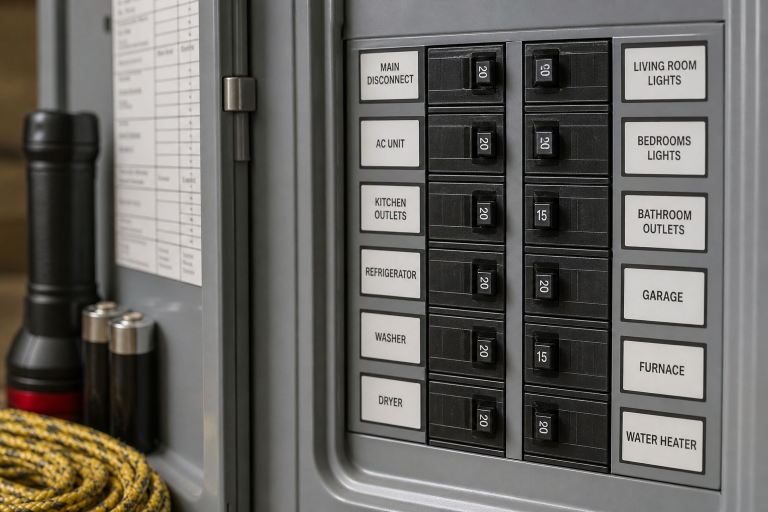
Begin with a basic visual review of the electrical system. Locate the main panel, make sure the path to it is clear, and confirm that breaker labels are readable and accurate. In an emergency, household members should be able to identify the main shutoff without moving storage boxes, tools, or furniture.
Look for warning signs such as warm outlets, loose cover plates, scorch marks, buzzing sounds, flickering lights, or breakers that trip repeatedly. Check exterior receptacles, pool equipment, landscape lighting, disconnect boxes, and exposed conduit for cracks, corrosion, or water exposure. Do not remove panel covers or attempt repairs unless you are trained to do so.
Review the Electrical Panel
An aging, crowded, or damaged electrical panel can complicate storm recovery. Limited breaker space, frequent tripping, inconsistent power, and obsolete components may indicate that the system needs a professional assessment. This is particularly important before adding large loads such as a standby generator, EV charger, hot tub, or new HVAC equipment.
Keep the panel accessible during an outage, but do not attempt to reach it through standing water. If flooding affects the panel, meter area, or connected wiring, leave the system alone until it has been inspected.
Choose the Right Backup Power Plan
Portable Generators
A portable generator can be a practical option for essential loads, such as a refrigerator, a few lights, phone chargers, or a small window air conditioner. Use it outdoors, on a dry and stable surface, away from doors, windows, vents, and attached garages. Never operate a generator indoors, even briefly.
Do not connect a generator to home wiring by plugging it into an outlet. This dangerous practice, often called backfeeding, can energize utility lines and create a severe shock or fire hazard. A properly installed transfer switch or interlock system is the appropriate way to connect approved generator power to selected circuits.
Standby Generators
A permanently installed standby generator can power selected circuits or, when sized correctly, much of the home. Fuel supply, placement, ventilation, transfer equipment, maintenance, and electrical load calculations all matter. Test the system routinely, follow the manufacturer's service schedule, and use a qualified installer to ensure the equipment matches the home's needs.
Protect Appliances From Surges
Lightning, utility switching, and power restoration can send damaging voltage spikes through household wiring. Plug-in surge strips can help protect individual electronics, while whole-home surge protection installed at the panel offers broader protection. HVAC controls, refrigerators, televisions, computers, garage-door openers, pool systems, and smart-home devices are all worth considering.
Surge protection reduces risk, but it does not correct unsafe wiring, poor grounding, water damage, or an overloaded panel. Unplugging nonessential electronics before a likely outage adds another layer of protection. For broader household planning, power outage safety guidance emphasizes charging devices ahead of time, using battery-powered lighting, and planning for medical equipment.
Prepare Outdoor Electrical Equipment
Inspect weatherproof outlet covers, outdoor fixtures, disconnects, and visible wiring before severe weather arrives. Bring portable electronics, extension cords, decorative lighting, and temporary equipment indoors. Secure loose cords so they cannot become windblown hazards.
Keep branches away from service equipment and overhead lines, but never trim vegetation near energized wires yourself. Use a qualified tree professional when branches are close to power lines. Florida homeowners should also review hurricane preparation steps before the season begins, including evacuation planning, emergency supplies, and communication plans.
Create a Storm-Day Electrical Checklist
- Charge phones, power banks, flashlights, radios, and medical devices.
- Unplug nonessential electronics and secure outdoor equipment.
- Confirm generator fuel, manuals, cords, and transfer equipment are ready.
- Know the location of the main shutoff without entering wet or flooded areas.
- Keep utility contacts, emergency numbers, and important documents in printed and digital form.
What to Do During and After an Outage
Stay away from downed wires, damaged meters, fallen electrical equipment, and flooded areas. Treat every downed line as energized. Use flashlights or battery-powered lanterns instead of candles, keep refrigerator and freezer doors closed as much as possible, and follow the generator manufacturer's instructions exactly.
After the storm, do not restore power to circuits affected by floodwater. Burning smells, crackling, buzzing, water in outlets or panels, repeated breaker trips, flickering lights, or damaged service cables require professional attention. Contact the utility for utility-owned equipment, call 911 for immediate danger, and document visible damage from a safe location for insurance purposes.
Common Questions
Should a Generator Be Tested Before Hurricane Season?
Yes. Testing can reveal battery, fuel, ventilation, connection, or maintenance problems before an outage occurs.
Can a Generator Power the Whole House?
It depends on generator capacity, household demand, and transfer equipment. A load assessment helps determine what can safely run at the same time.
Can Flooded Outlets Be Dried and Used Again?
No assumption should be made based on appearance. Internal parts and connected wiring may be compromised and should be inspected or replaced as needed.
Conclusion
Hurricane preparation is easier when completed in small, practical steps. A clear panel, a tested backup-power plan, protected electronics, and a cautious post-storm response can reduce electrical hazards and help Florida households recover more safely.

FOLLOW ME ON SOCIAL MEDIA


No comments:
Post a Comment
I love reading and responding to comments but in order to get my reply you must ensure you are NOT a no-reply blogger. If you are, here are some quick steps to change that!
1. Go to the home page of your Blogger account.
2. Select the drop down beside your name on the top right corner and choose Blogger Profile.
3. Select Edit Profile at the top right.
4. Select the Show My Email Address box.
5. Hit Save Profile.