

The Evolution of Non-Invasive Body Contouring and Regenerative Aesthetics
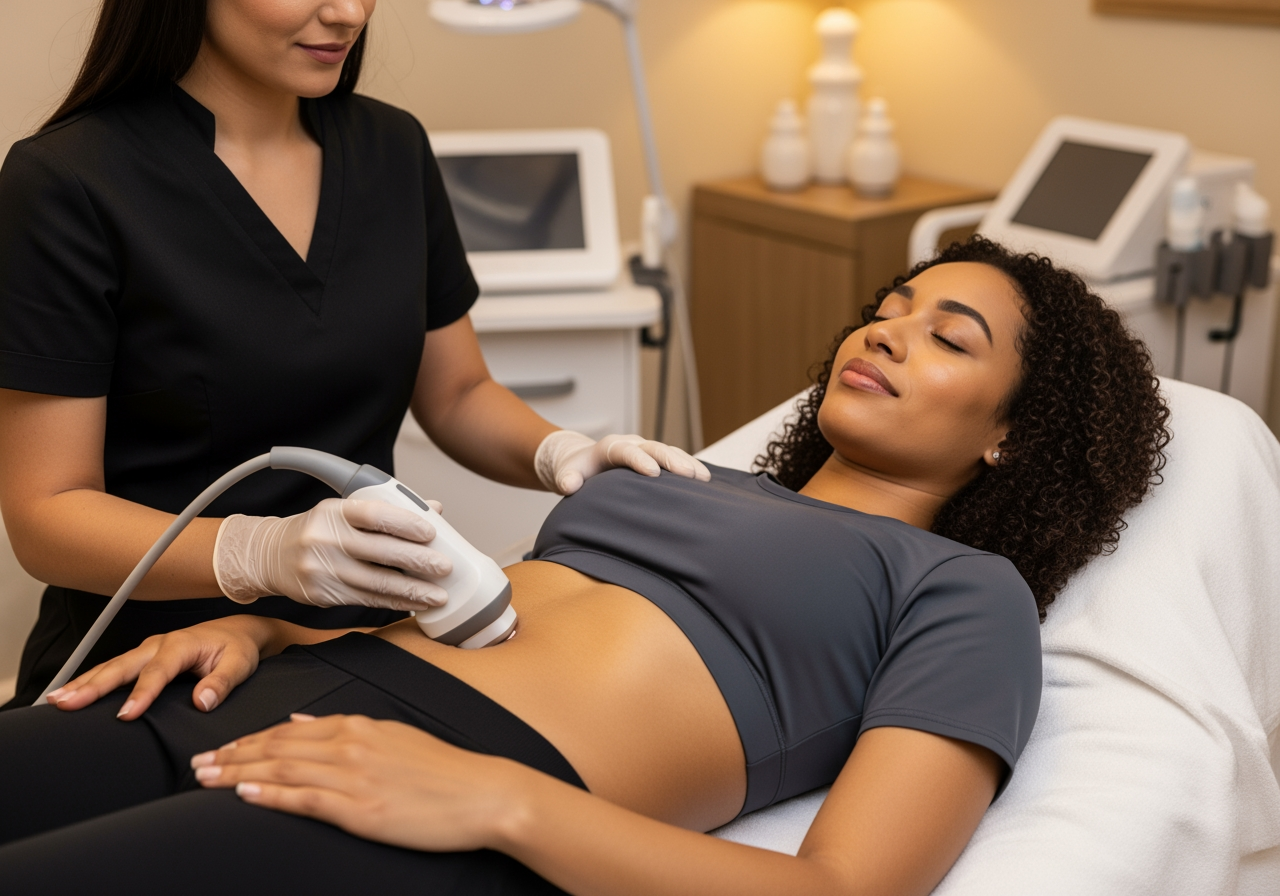 In May 2026, the desire for a more sculpted physique and improved skin quality is stronger than ever. Many of us are searching for effective solutions that don't involve surgical procedures or lengthy downtime. This widespread interest has led to a remarkable transformation in aesthetic medicine, particularly within the realm of non-invasive body contouring treatments.
These advanced approaches offer exciting opportunities to refine our bodies, tackling persistent fat pockets, toning muscles, and tightening loose skin. The field has seen incredible growth, with non-invasive techniques experiencing a 521% surge since 1997, and continuing to expand by 21% annually. This indicates a clear shift towards safer, more accessible aesthetic options.
This comprehensive guide aims to demystify non-invasive body contouring. We will delve into the various technologies, explain how they work, discuss realistic outcomes, and provide crucial insights into candidacy and safety. Our goal is to equip you with the knowledge needed to make informed decisions about your aesthetic goals, embracing the principles of inclusive skin care through Advanced Regenerative Aesthetics and body contouring.
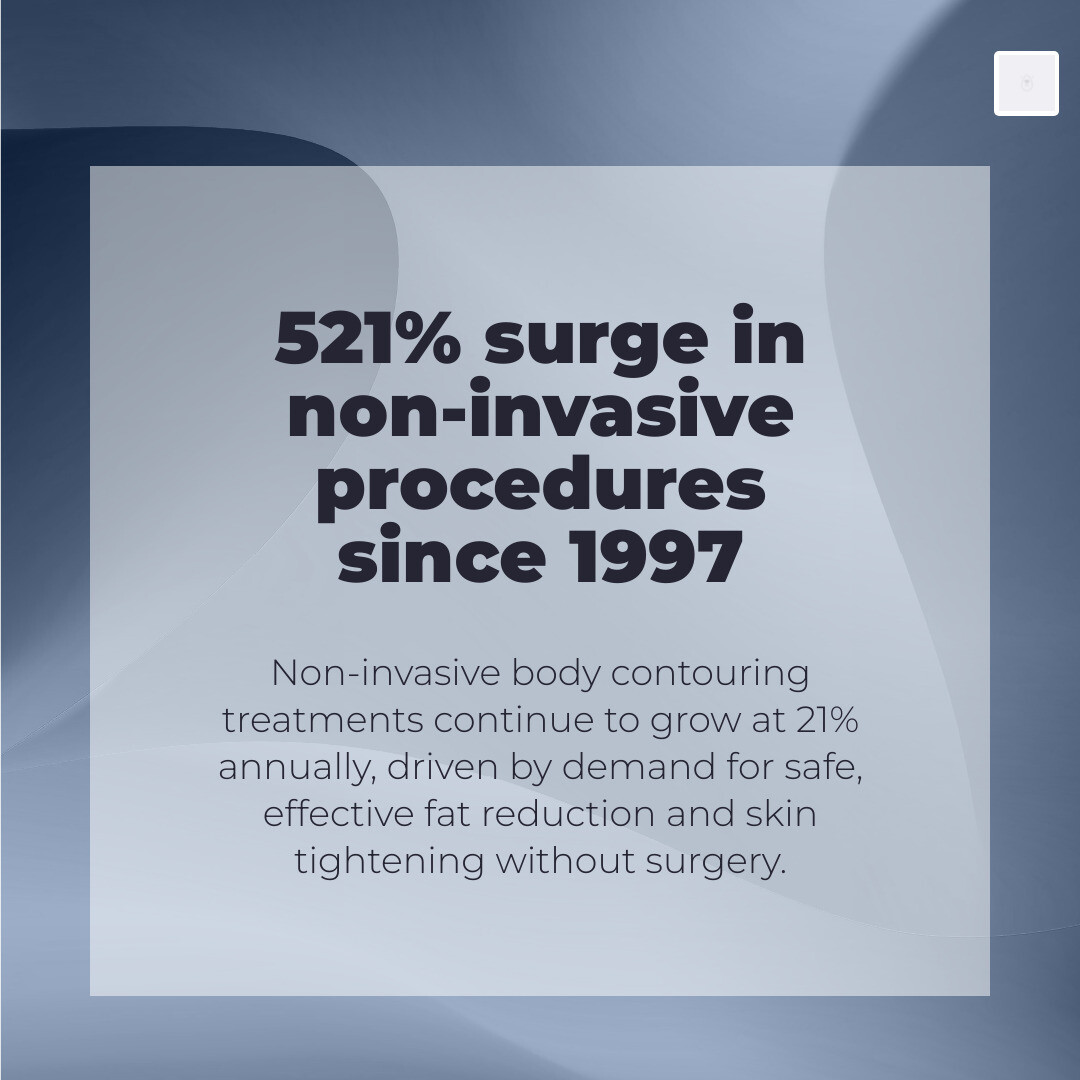
The landscape of aesthetic treatments has undergone a profound evolution, moving from solely surgical interventions to a diverse array of non-invasive options. This shift is largely driven by patient demand for less downtime, fewer risks, and more natural-looking results. Non-invasive body contouring, in particular, has seen remarkable growth, with annual increases in procedures consistently reported. This reflects a broader trend towards embracing wellness and self-care without the significant commitment of surgery.
At the heart of this evolution lies the concept of regenerative aesthetics. Unlike traditional methods that might simply remove tissue, regenerative approaches focus on stimulating the body's natural healing and renewal processes. This means encouraging cellular regeneration, optimizing the extracellular matrix, and enhancing the body's inherent capacity for tissue remodeling.

Defining Regenerative Aesthetics in Modern Body Sculpting
Regenerative aesthetics in modern body sculpting refers to treatments that not only address superficial concerns like excess fat or skin laxity but also promote deeper, biological improvements. This involves stimulating processes such as collagen stimulation, which is crucial for skin firmness and elasticity, and elastin production, which gives skin its ability to snap back. These treatments work by triggering cellular signaling pathways, encouraging the body to produce new, healthy tissue components. The goal is not just to alter appearance but to improve the underlying health and vitality of the skin and subcutaneous tissues. Bio-stimulation is key, as it harnesses the body's own resources to achieve lasting and natural-looking enhancements.
The Role of Collagen and Cellular Health in Regenerative Aesthetics
Collagen and cellular health are foundational to the success of regenerative aesthetics. Collagen, the most abundant protein in our skin, provides structural integrity and firmness. As we age, collagen production naturally declines, leading to wrinkles and sagging skin. Regenerative treatments aim to reverse this by promoting fibroblast activation, encouraging these cells to produce new collagen. This leads to dermal thickening, improving the skin's density and resilience.
Beyond collagen, treatments also focus on enhancing the overall cellular environment. This includes optimizing levels of hyaluronic acid, a molecule vital for skin hydration and plumpness. By fostering a healthy cellular environment, these methods contribute to comprehensive skin rejuvenation and improved structural integrity, ensuring that results are not just superficial but also deeply rooted in revitalized tissue.
Core Technologies: Mechanisms of Fat Reduction and Tissue Tightening
The efficacy of non-invasive body contouring lies in its diverse technological approaches, each designed to target specific concerns like stubborn fat pockets, muscle laxity, or loose skin. These technologies leverage different forms of energy to achieve their desired effects, all without incisions or significant recovery time.
Cryolipolysis and Thermal Mechanisms
One of the pioneering technologies in non-invasive fat reduction is cryolipolysis, famously known as "fat freezing." This method exploits the unique adipocyte sensitivity to cold. Fat cells, or adipocytes, are more susceptible to cold temperatures than surrounding tissues like skin, nerves, and muscle. During a cryolipolysis treatment, a specialized applicator cools the targeted fat bulge to a precise temperature, inducing cold-induced apoptosis, which is a controlled form of cell death. Over several weeks, the body's lymphatic system naturally processes and eliminates these destroyed fat cells. Clinical studies have shown that cryolipolysis can achieve up to 25% fat reduction in the treated area per session.
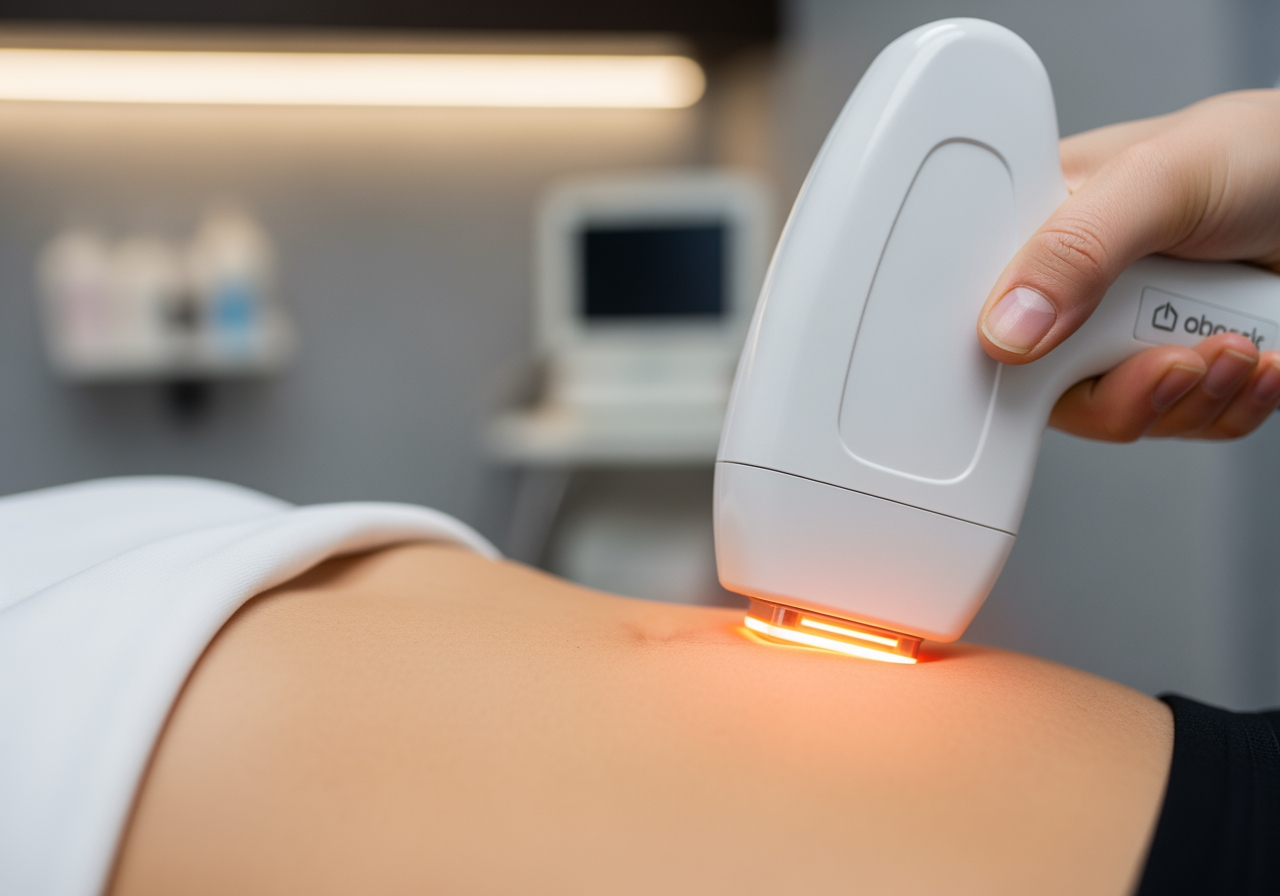
Conversely, other technologies utilize thermal mechanisms to reduce fat. These methods typically involve heating fat cells to a specific temperature range, usually between 46-48°C, to induce necrotic cell death. This can be achieved through various energy sources, such as radiofrequency or laser. The body then gradually clears these damaged fat cells as metabolic waste. For instance, 1060nm laser therapy specifically targets adipose tissue with minimal impact on the dermis, effectively heating and destroying fat cells.
Radiofrequency and Ultrasound Innovations
Radiofrequency (RF) technology is a versatile tool in non-invasive body contouring, known for its ability to reduce fat and tighten skin. Monopolar RF devices deliver controlled heat deep into the subcutaneous fat and dermal layers. This heat causes fat cell damage and also stimulates collagen production, leading to skin tightening. Advanced RF systems often incorporate impedance monitoring to ensure uniform energy delivery and prevent hot spots, enhancing both safety and efficacy. The heat-induced collagen contraction and subsequent new collagen formation contribute to improved skin laxity and a more contoured appearance.
High-intensity focused ultrasound (HIFU) is another powerful technology that uses acoustic energy to create thermal coagulative necrosis at precise depths within the fat layer. This focused energy bypasses the skin's surface, concentrating heat at the targeted fat cells, leading to their destruction. Both RF and HIFU treatments have demonstrated significant results, with studies showing an average circumference reduction of 2-4 cm after a series of treatments. These technologies are particularly effective for addressing localized fat deposits and improving overall body shape.
Beyond fat reduction and skin tightening, electromagnetic muscle stimulation has emerged as a approach. This technology induces supramaximal contractions, far beyond what can be achieved through voluntary exercise, to build muscle mass and improve tone.
Feature Surgical Liposuction Non-Invasive Body Contouring MethodInvasive, surgical removal of fat Non-invasive, energy-based fat reduction/skin tightening AnesthesiaLocal or general Typically none, or topical numbing Incisions Small incisions required No incisions DowntimeSeveral days to weeks (swelling, bruising) Minimal to none (mild redness, temporary numbness) Fat Reduction Significant volume removal in one session Gradual, typically 20-25% per session Skin Tightening Limited, may require separate procedure Often combined or inherent to technology Muscle Toning Not directly addressed Directly addressed by some technologies Results Visibility Immediate, but final results after swelling subsides Gradual, over weeks to months Cost (per session) Higher ($3,000 - $8,000+) Lower ($1,000 - $4,000) CandidateGood general health, significant fat deposits Near ideal weight, stubborn fat pockets, good skin elasticity RisksInfection, scarring, anesthesia risks Bruising, swelling, temporary numbness, rare PAH Clinical Outcomes: What to Expect from Modern Procedures
When considering non-invasive body contouring, understanding the realistic outcomes, timelines, and longevity of results is crucial. These treatments are not instant fixes but rather a process that leverages your body's natural mechanisms to refine your silhouette.
Realistic Timelines and Longevity
The journey to visible results with non-invasive body contouring is typically gradual. For treatments that destroy fat cells, such as cryolipolysis or thermal lipolysis, the body's immune system takes time to process and eliminate the damaged cells. This process, involving gradual fat clearance, usually spans several weeks to months. Patients can generally expect to see initial visible changes in 2-4 months, with optimal results often appearing around 12 weeks post-treatment.
The longevity of these results is a significant advantage. Once fat cells are permanently destroyed and removed from the body, they do not regenerate. This means that if you maintain a stable weight through a healthy lifestyle, the fat reduction achieved in the treated areas can be permanent. This emphasizes the importance of lifestyle maintenance, including consistent diet and exercise, to preserve your newly contoured physique.
Patient satisfaction data for these treatments is encouraging. For example, satisfaction with cryolipolysis often exceeds 70%, while radiofrequency treatments boast satisfaction rates between 71-97%. Clinical studies for cryolipolysis show that 94% of patients experienced fat reduction, with an average decrease of 23% in adipose tissue.
Common treatment areas for non-invasive body contouring include:
- Abdomen
- Flanks (love handles)
- Submental area (under the chin)
- Upper arms
- Thighs (inner and outer)
- Buttocks
- Back (bra rolls)
Enhancing Muscle Tone and Definition
Beyond fat reduction and skin tightening, some advanced non-invasive technologies also focus on enhancing muscle tone and definition. Technologies like electromagnetic muscle stimulation induce supramaximal contractions in targeted muscle groups. These contractions are far more intense and frequent than what can be achieved through voluntary exercise alone.
A single session can be equivalent to tens of thousands of muscle contractions, leading to significant muscle hypertrophy (growth) and increased strength. Studies have shown that these treatments can lead to up to a 30% increase in muscle mass in the treated areas. This not only improves the aesthetic appearance but can also contribute to functional strength and core stability. This dual benefit of fat reduction and muscle building makes certain treatments a powerful option for comprehensive body sculpting.
Safety, Candidacy, and Professional Standards
Ensuring safety and achieving optimal results in non-invasive body contouring heavily relies on understanding who is an ideal candidate, recognizing potential risks, and selecting a qualified provider. The regulatory landscape, particularly FDA clearance, plays a crucial role in validating the safety and efficacy of these technologies. For instance, the FDA provides comprehensive information on non-invasive body contouring technologies, which can be found on their website, highlighting the importance of informed decision-making. (Source: Non-Invasive Body Contouring Technologies | FDA)
Identifying the Ideal Candidate
Non-invasive body contouring treatments are not a substitute for weight loss. They are best suited for individuals who are at or near their ideal body weight (typically with a BMI under 30) but struggle with localized fat pockets that are resistant to diet and exercise. Good skin elasticity is also beneficial for optimal skin tightening results.
A thorough medical history review is essential during the consultation process. This helps determine if you are a good candidate and identifies any contraindications. For example, individuals with pacemakers, metal implants in the treatment area, cold sensitivity disorders, or those who are pregnant should generally avoid certain treatments. Realistic expectations are paramount; these treatments offer refinement, not dramatic weight loss or surgical-level reshaping. We always emphasize that these are not weight-loss solutions but tools for refining specific areas.
Managing Side Effects and Risks
While non-invasive treatments are generally considered safe, it's important to be aware of potential side effects and risks. Common, temporary side effects include transient erythema (redness), swelling, bruising, and temporary numbness in the treated area. These typically resolve within hours to a few weeks.
However, each technology carries specific considerations. For cryolipolysis, a rare but serious complication is paradoxical adipose hyperplasia (PAH), where the treated fat cells grow rather than shrink. For heat-based treatments like radiofrequency or laser, there is a risk of thermal burns if the device is not used correctly or if real-time temperature monitoring is insufficient. Ultrasound gel is often used to ensure proper skin contact and reduce burn risk. Patients should always be informed about these potential issues during their consultation.
Choosing a qualified provider is paramount. We recommend seeking out board-certified dermatologists or plastic surgeons who have extensive experience with a range of non-invasive technologies. For example, clinics like Padmaja Sharma, MD in Fremont, CA, or those listed on Yelp for body contouring in Fremont, CA, represent the types of qualified professionals you should seek. (Source: Body Contouring Specialist - Fremont, CA - Padmaja Sharma, MD, THE BEST 10 BODY CONTOURING IN FREMONT, CA - Yelp). Similarly, for those in Folsom or Sacramento, options like Flawless Beauty Bar, Jeuvani Spa & Sculpting, or Sacramento Plastic Surgery provide examples of local providers. (Source: Folsom Body Sculpting | Flawless Beauty Bar, Jeuvani Spa & Sculpting - Folsom, Non Surgical Body & Face Contouring Sacramento Stockton CA). The California Skin & Laser Center in Stockton also offers body sculpting treatments. (Source: Body Sculpting Treatment Stockton - California Skin & Laser Center). Always verify the credentials and experience of any provider you consider.
Frequently Asked Questions about Non-Invasive Body Contouring
We often encounter several common questions from individuals interested in non-invasive body contouring. Addressing these helps set realistic expectations and empowers informed decision-making.
Are these treatments a substitute for weight loss?
No, non-invasive body contouring treatments are not a substitute for weight loss. They are specifically designed for individuals who are already at or close to their ideal body weight but have localized pockets of stubborn fat that are resistant to diet and exercise. These treatments help to sculpt and refine the body's contours by reducing fat in targeted areas, not by significantly reducing overall body weight. Maintaining a healthy lifestyle, including a balanced diet and regular exercise, is crucial for preserving the results of these procedures.
How many sessions are typically required for optimal results?
The number of sessions required varies depending on the specific technology used, the area being treated, and individual patient goals. Most non-invasive body contouring treatments typically require multiple sessions to achieve optimal results. For instance, cryolipolysis might require 1-3 sessions per area, while radiofrequency or ultrasound treatments could involve 4-6 sessions. Muscle-building treatments often recommend a series of 4-6 sessions initially, followed by maintenance treatments. Your provider will develop a personalized treatment plan during your consultation, outlining the recommended number of sessions to meet your aesthetic objectives.
What is the average cost and investment for these procedures?
The cost of non-invasive body contouring treatments can vary significantly based on the technology, the size of the treatment area, the number of sessions required, and the geographic location of the clinic. Generally, the price range for non-surgical fat reduction can be anywhere from $1,000 to $4,000 per session. Some combination treatments, especially those addressing both fat and muscle, might fall into a higher range per comprehensive treatment plan. It's important to have a detailed discussion about the total investment during your consultation, as many clinics offer package deals or financing options. For example, truSculpt iD, a radiofrequency body sculpting treatment, is detailed by DermoBrain as an advanced system with specific clinical data. (Source: truSculpt iD: Radiofrequency Body Sculpting | DermoBrain)
Conclusion
The world of non-invasive body contouring and regenerative aesthetics offers exciting possibilities for those seeking to refine their physique and enhance their skin's vitality without the need for surgery. From targeted fat reduction to improved muscle tone and skin tightening, these advanced treatments leverage cutting-edge science to deliver noticeable, natural-looking results.
As we've explored, understanding the mechanisms behind each technology, setting realistic expectations for timelines and longevity, and prioritizing safety are paramount. The consistent growth in this sector, coupled with high patient satisfaction rates, underscores its efficacy and appeal. By choosing a qualified provider and maintaining a healthy lifestyle, you can achieve sustainable results that contribute to your overall well-being and confidence. We encourage you to seek a professional consultation to discuss your individual goals and determine the best non-invasive solutions for you.

FOLLOW ME ON SOCIAL MEDIA


No comments:
Post a Comment
I love reading and responding to comments but in order to get my reply you must ensure you are NOT a no-reply blogger. If you are, here are some quick steps to change that!
1. Go to the home page of your Blogger account.
2. Select the drop down beside your name on the top right corner and choose Blogger Profile.
3. Select Edit Profile at the top right.
4. Select the Show My Email Address box.
5. Hit Save Profile.