

Key Takeaways
- Analyze local climate conditions to determine the best roofing materials for your region.
- Familiarize yourself with the advantages and disadvantages of popular roofing materials.
- Balance your immediate budget with the roof’s lifetime value and durability.
- Choose roofing that complements your home's architecture and enhances its visual appeal.
- Weigh the amount of regular maintenance each roofing material requires.
Table of Contents
- Climate Considerations
- Roofing Materials Overview
- Budget and Long-Term Value
- Architectural Style and Aesthetics
- Maintenance Requirements
- Energy Efficiency
- Local Building Codes and Regulations
- Final Thoughts
Making the right choice for your home's roofing is essential for both the longevity and appearance of your house. With such a wide range of materials and styles available, homeowners need to weigh several factors before deciding. Whether you are building new or considering a roofing replacement in St. Louis, MO, knowing what to consider will help you make a well-informed, lasting investment.
Your selected roofing material will have a lasting impact on your home’s durability, energy savings, and resale value. Understanding the merits and limitations of each option is a key part of the decision-making process. Taking a strategic approach can also mean fewer issues down the road and more curb appeal for years to come.
Climate Considerations
Regional weather patterns play a significant role when identifying suitable roofing options. Homes located in snowy areas benefit from uniquely pitched roofs that encourage snow to slide away, reducing excess weight that may cause structural issues. On the other hand, in regions with scorching summers, you will want to gravitate toward reflective or lighter-colored roofing products to help lower cooling costs. Considering your climate at the start helps prevent moisture intrusion, premature wear, and other climate-driven roofing challenges.
Roofing Materials Overview
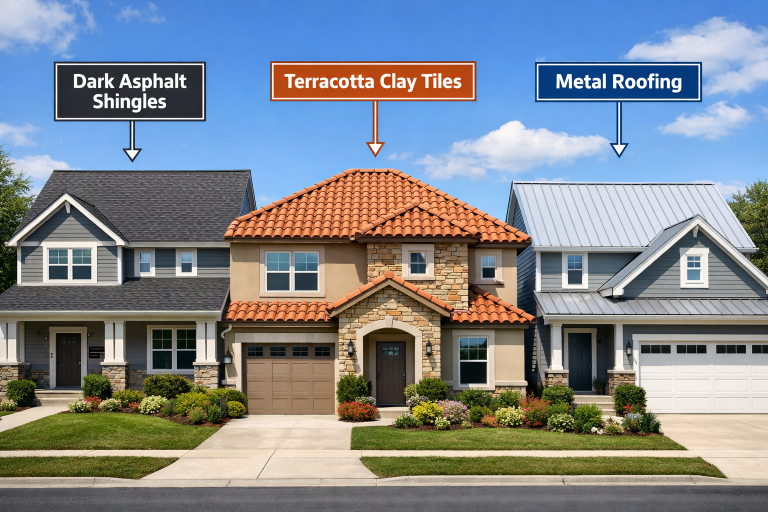
Each roofing material offers unique properties and perks. Here is an overview of commonly chosen materials:
- Asphalt Shingles: The most popular residential roofing material, offering affordability and easy installation. These typically last 20 to 30 years.
- Metal Roofing: Valued for its durability, lightweight nature, and energy efficiency. Lifespans can range from 40 to 70 years with proper care.
- Clay Tiles: Offering timeless charm and lasting (50 to 100 years), these tiles are heavier and pricier than asphalt or metal tiles.
- Slate: Among the most resilient options, with lifespans that often exceed 100 years. Slate is expensive and requires reinforced support due to its weight.
- Wood Shakes: Delivering a classic, natural look, wood shakes last 30 to 40 years when properly maintained, but require routine upkeep to avoid moisture or pest problems.
Understanding these trade-offs will better prepare you to align your needs with your budget and personal preferences.
Budget and Long-Term Value
Your budget naturally influences your roofing decision, though it is important to look beyond initial installation costs. Cheaper materials, such as standard asphalt shingles, may appear up upfront but require earlier replacement than metal or slate. A roof’s durability, repair requirements, and ease of installation all impact long-term expenses. Consider products that strike a balance between immediate affordability and future value.
Architectural Style and Aesthetics
The roof you select should reinforce your home’s architectural character. Mediterranean or Spanish Revival homes are enhanced by clay tiles, while period homes or cottages often look best with slate or wood shingles. For contemporary residences, metal roofing styles accentuate the modern silhouette. Choosing a roof that complements your home’s structure and color scheme will elevate your curb appeal and property value.
Maintenance Requirements
Maintenance needs can vary widely between materials. Asphalt shingles and metal roofing typically require minimal ongoing attention. By contrast, wood shakes require frequent inspection, cleaning, and treatment to prevent weathering, insect infestations, or mold. Clay and slate, while robust, should also be checked periodically for cracked tiles and replaced as necessary. Determine whether you have the resources or interest in routine maintenance before making your final choice. Routine care will maximize the material’s lifespan and ensure ongoing reliability.
Energy Efficiency
Roofing plays a sizable role in keeping your home comfortable and controlling your utility bills. Light-colored roofs and reflective metal options can reflect much of the sun’s rays, minimizing heat absorption and lessening reliance on air conditioning. Tile roofs, due to their fresh air circulation beneath, can also help moderate temperature extremes. Prioritize roofing that improves energy efficiency, especially in climates with hot summers or cold winters.
Local Building Codes and Regulations
Always verify compliance with local building codes before committing to a roofing material or design. Some regions restrict certain roofing types due to fire hazards, weight limitations, or aesthetic rules (particularly in regulated neighborhoods or historic districts). Meeting these requirements from the outset will help you avoid costly setbacks and ensure your new roof is safe and permitted.
Final Thoughts
Investing in the right roof entails weighing climate compatibility, budget constraints, house style, maintenance loads, energy efficiency, and legal compliance. By taking a comprehensive approach and researching all your options, you will add value, protect your home from the elements, and secure a look that enhances your property for years to come.

FOLLOW ME ON SOCIAL MEDIA


No comments:
Post a Comment
I love reading and responding to comments but in order to get my reply you must ensure you are NOT a no-reply blogger. If you are, here are some quick steps to change that!
1. Go to the home page of your Blogger account.
2. Select the drop down beside your name on the top right corner and choose Blogger Profile.
3. Select Edit Profile at the top right.
4. Select the Show My Email Address box.
5. Hit Save Profile.