

Key Takeaways
- Daily physical activity strengthens back and core muscles for reliable spine support.
- Upright posture at work, home, and during movement reduces back and neck strain.
- Regular stretching enhances flexibility and relieves built-up tension.
- Proper lifting techniques prevent injury and undue spinal stress.
- Maintaining a healthy body weight eases spinal pressure and improves comfort.
- Consistent hydration keeps spinal discs healthy and functional.
- Sleep quality and correct support are vital for overnight spinal recovery.
- Managing stress counteracts muscle tension that can accumulate in the spine.
Many spinal issues stem from daily behaviors, posture, lifting habits, physical activity level, and stress. By recognizing what affects your spine and making targeted improvements, you can experience less pain and more vitality. Improved spinal health means fewer injuries, greater flexibility, and improved wellness that extends beyond your back.
Stay Physically Active
Exercise is crucial for spinal strength and flexibility. Workouts that activate and support back and core muscles—such as yoga, Pilates, or swimming—provide the spine with natural scaffolding. Even committing to a daily 30-minute walk can increase blood flow and promote muscle recovery, both of which prevent back pain and stiffness. Regular activity is among the best proactive steps toward lifelong spinal well-being.
Maintain Proper Posture
Good posture keeps the spine in a neutral alignment and minimizes the risk of aches or injuries. For those working at a desk, this means sitting upright with your shoulders relaxed and feet flat on the ground. Adjust your screen so that it sits at eye level and take short breaks every 30 to 45 minutes to stand, stretch, or walk. These frequent adjustments are essential to offset spinal pressure caused by prolonged sitting or repetitive movements.
Incorporate Regular Stretching
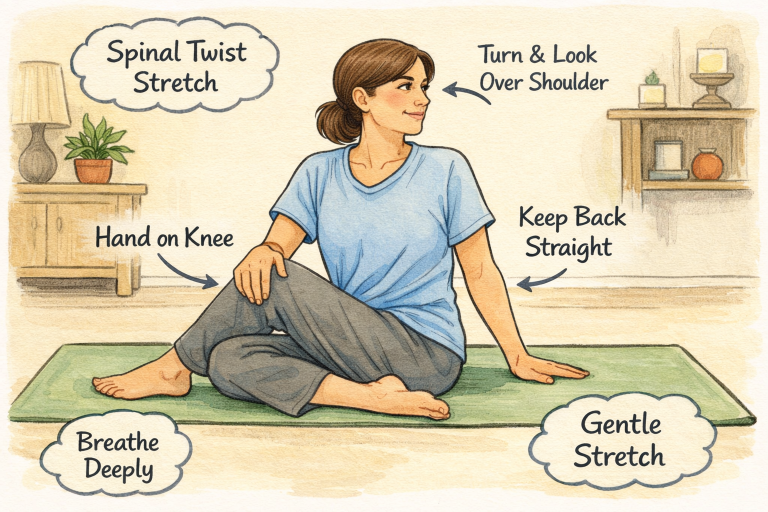
Stretching enhances flexibility and alleviates muscle tension before it can become problematic. Focus on gentle, controlled stretches for your back, neck, and lower body to prevent tightness and improve your range of motion. Dedicating even just five minutes each morning or evening to stretching can reduce your risk of injury and decrease persistent soreness. Prioritize movements that open the hips, lengthen the spine, and activate core muscles to support daily activity and recovery.
Practice Proper Lifting Techniques
Lifting improperly is a leading cause of back injuries. When picking up objects, always bend your knees and keep the item close to your body. Use your legs to power the lift rather than your back, and avoid twisting at the waist while holding weight. If something feels too heavy or awkward, ask for assistance or use a device to reduce the load. Paying attention to your lifting posture is vital for injury prevention and supports long-term spinal health.
Maintain a Healthy Weight
Excess body weight, especially in the abdomen, increases pressure on the lumbar spine and accelerates cartilage wear and tear. Adopting a balanced diet and engaging in regular physical activity helps manage your weight and reduce lower back strain. Weight management is fundamental for those with recurring back pain or a family history of spinal issues because it reduces the stress placed on the spinal column each day. Even a modest weight reduction can have a meaningful impact on spinal comfort and function.
Stay Hydrated
Water nourishes the spinal discs, which act as shock absorbers in the spinal column. Staying properly hydrated throughout the day helps maintain disc elasticity and function, allowing the spine to provide support with each movement. Aim to drink adequate water each day, especially if you are physically active or live in a warm climate. Low hydration can contribute to disc degeneration, stiffness, and greater susceptibility to injury over time.
Ensure Quality Sleep
Sleep gives your spine a chance to rest, recover, and heal. Using a mattress that is neither too soft nor too hard, and that supports the natural curve of your spine, is key. Back and side sleeping are best for alignment, while stomach sleeping can cause the spine to arch and strain. Adjust your pillow height as needed so that your head and neck stay in line with your back, helping prevent overnight aches and stiffness. Creating a consistent bedtime and sleep environment further enhances recovery and wellness.
Manage Stress
Emotional stress can cause increased tension, especially in the neck and back muscles. Over time, this tension leads to discomfort and aggravates spinal conditions. Engage in activities that relieve stress, such as mindfulness meditation, deep breathing, exercise, or favorite hobbies. Being proactive about stress management not only benefits mood but also reduces the risk of chronic spine problems linked to tension and strain throughout the upper body.
Conclusion
Keeping a healthy spine relies on daily habits such as staying active, maintaining good posture, stretching, and lifting properly to minimize strain and support spinal health. Lifestyle decisions like controlling weight, staying hydrated, sleeping adequately, and managing stress further enhance strength and comfort. These practices help prevent injuries, increase flexibility, and improve overall well-being. Being conscious of daily routines can promote better mobility and support a healthier, more active life with a lower risk of chronic back issues.

FOLLOW ME ON SOCIAL MEDIA


No comments:
Post a Comment
I love reading and responding to comments but in order to get my reply you must ensure you are NOT a no-reply blogger. If you are, here are some quick steps to change that!
1. Go to the home page of your Blogger account.
2. Select the drop down beside your name on the top right corner and choose Blogger Profile.
3. Select Edit Profile at the top right.
4. Select the Show My Email Address box.
5. Hit Save Profile.