

Understanding the Landscape of Non-Invasive Pain Relief
 Living with musculoskeletal pain can be a constant challenge. It often
affects your energy, mood, and daily activities. Many individuals are
searching for effective ways to find relief that don't rely solely on
medication or invasive procedures. We hear you, and we believe in
exploring all avenues for optimal well-being.
Living with musculoskeletal pain can be a constant challenge. It often
affects your energy, mood, and daily activities. Many individuals are
searching for effective ways to find relief that don't rely solely on
medication or invasive procedures. We hear you, and we believe in
exploring all avenues for optimal well-being.
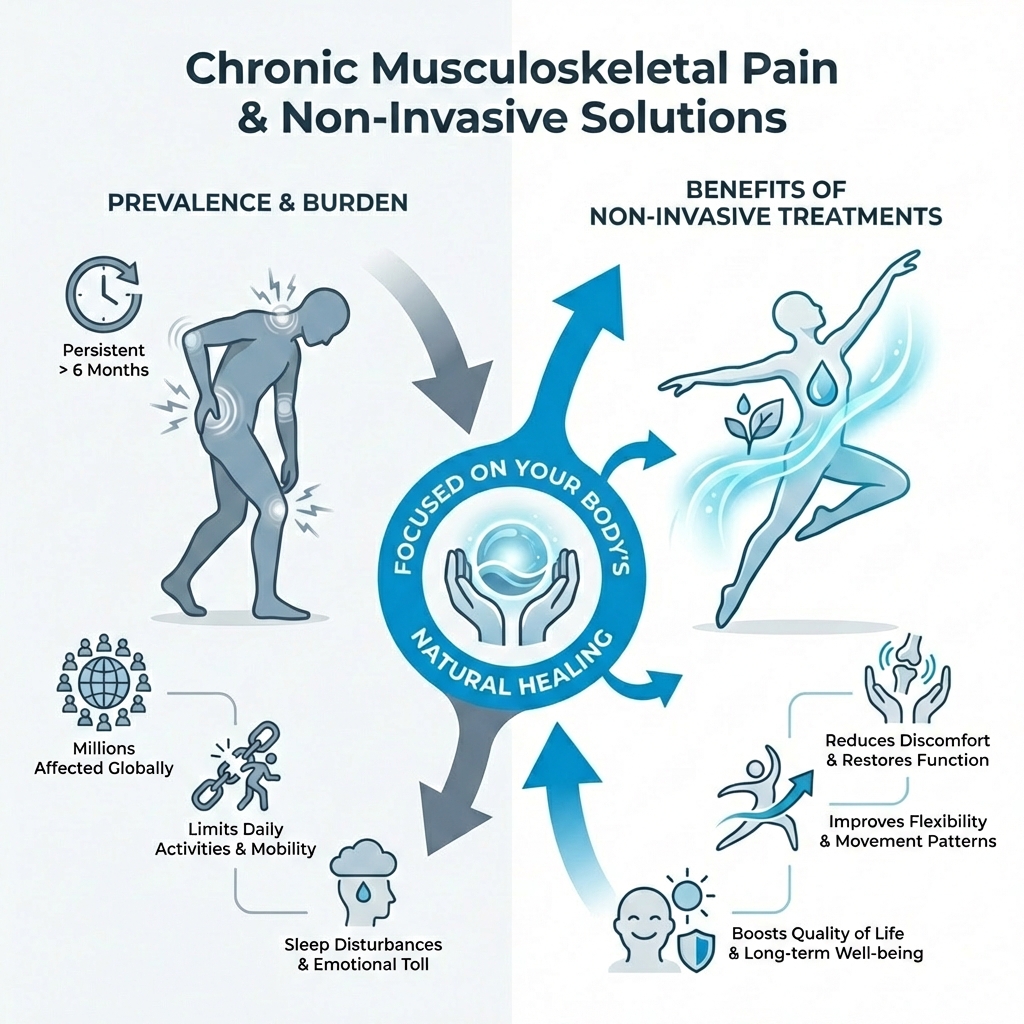
This article focuses on non-invasive therapies for managing musculoskeletal pain. These approaches prioritize your body's natural healing capabilities. They aim to reduce discomfort, restore function, and improve your overall quality of life.
We will explore a range of gentle yet powerful techniques. These include specialized manual therapies, such as manual drainage massage, as well as movement and mind-body practices. Our goal is to empower you with knowledge of effective pain management and massage strategies, helping you take an active role in your recovery.
Musculoskeletal pain is a pervasive issue, impacting millions globally. It refers to pain that affects the bones, muscles, ligaments, tendons, and fascia. This broad category encompasses a wide range of conditions, from acute injuries such as sprains and strains to chronic conditions such as arthritis, fibromyalgia, and sciatica. Whether it's a nagging ache in your lower back, stiffness in your neck, or persistent joint discomfort, musculoskeletal pain can severely limit your ability to engage in daily activities, work, and hobbies.
Acute pain typically arises suddenly, often due to a specific injury or trauma, and usually resolves as the body heals. Chronic pain, however, persists for an extended period, often beyond six months, even after the initial injury has healed. This type of pain can be debilitating, leading to reduced mobility, sleep disturbances, anxiety, and depression. It can transform from a symptom into a condition itself, requiring a more comprehensive and sustained approach to management.
For many years, the primary response to musculoskeletal pain has often involved medication, ranging from over-the-counter pain relievers to prescription opioids. While these can offer temporary relief, they frequently come with limitations, including potential side effects, the risk of dependency, and the fact that they often mask symptoms rather than addressing the underlying cause. This has led to a growing interest in non-invasive solutions that focus on the body's intrinsic healing mechanisms and promote long-term well-being.
We are seeing a significant shift towards patient empowerment, with individuals actively seeking ways to understand and manage their pain through holistic, sustainable methods. These non-invasive therapies represent a proactive step, allowing us to take control of our health and improve our quality of life without solely relying on pharmacological interventions.
Manual Therapies: A Hands-On Approach to Healing
Manual therapies encompass a range of hands-on techniques for diagnosing and treating musculoskeletal conditions. These approaches are fundamental in restoring optimal physical function, reducing pain, and improving overall mobility. Physical therapy, for instance, plays a crucial role in rehabilitation by guiding patients through exercises and stretches designed to strengthen weak muscles, improve flexibility, and correct movement patterns. It's a cornerstone for recovering from injuries and managing chronic conditions.
Chiropractic adjustments focus on the spine and nervous system, aiming to correct misalignments (subluxations) that may interfere with nerve function and contribute to pain. By restoring proper spinal alignment, chiropractic care can alleviate pressure on nerves, reduce muscle tension, and enhance the body's natural healing ability.
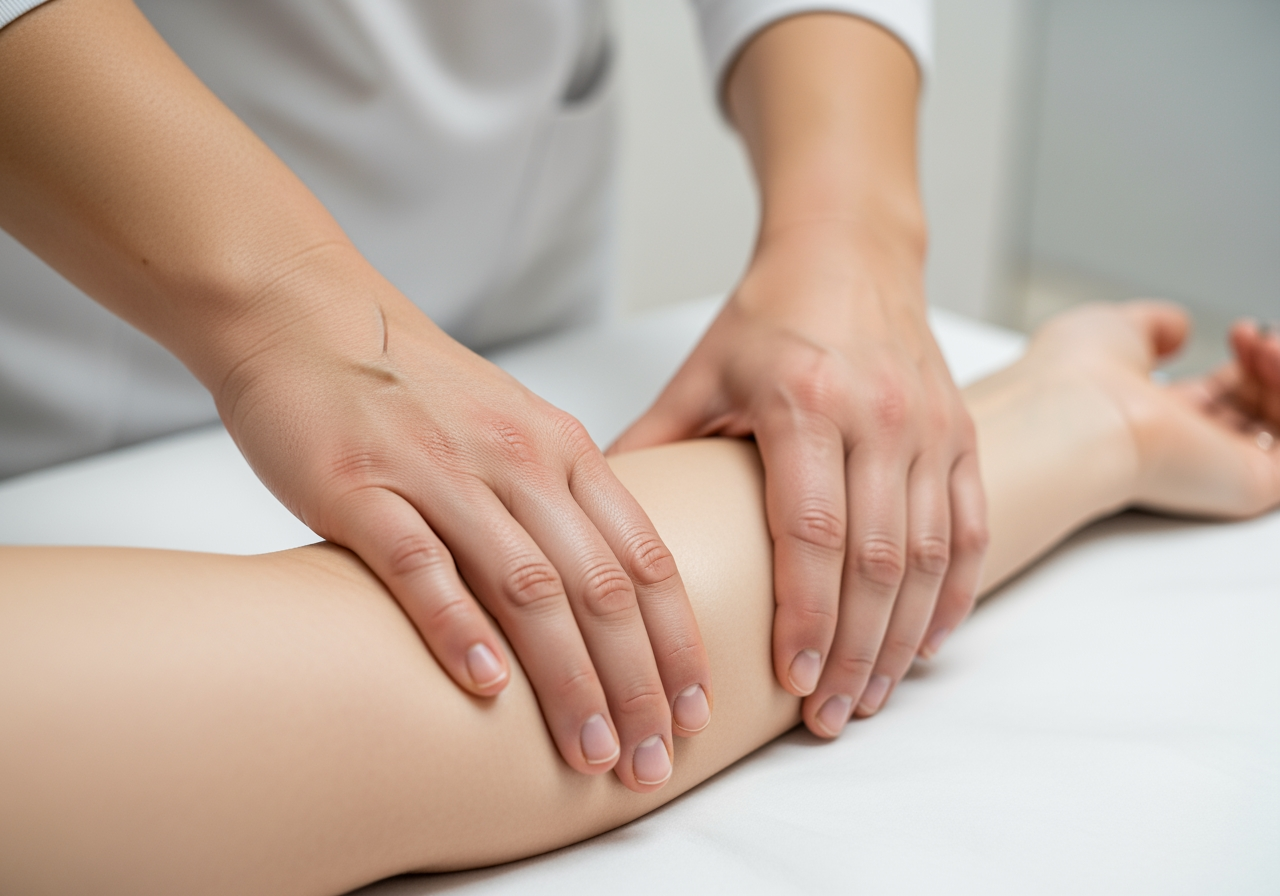
Massage therapy, in its various forms, is another powerful manual approach. Beyond simple relaxation, therapeutic massage can target specific muscle groups to release tension, improve circulation, and reduce inflammation. These hands-on methods collectively improve mobility, reduce stiffness, and increase function, offering a pathway to a more active and comfortable life.

Specialized Massage for Musculoskeletal Pain Management
While traditional massage techniques like deep tissue and Swedish massage offer significant benefits for muscle relaxation and circulation, a specialized form known as Manual Lymphatic Drainage (MLD) stands out for its unique focus and gentle approach. Unlike deep tissue massage, which targets muscle knots and connective tissue with firm pressure, or Swedish massage, which uses long, flowing strokes for overall relaxation, MLD is a gentle, skin-stretching technique specifically designed to stimulate the lymphatic system.
A key differentiator of MLD is that it is performed on bare skin, without oils or lotions. This allows the therapist to create a gentle stretch of the skin, which is crucial for effectively moving lymphatic fluid without causing friction or unnecessarily stimulating blood flow. The pressure applied during MLD is very light and rhythmic, mimicking the natural contractions of the lymphatic vessels. This makes it distinctly different from traditional massage, which often involves deeper pressure to manipulate muscles.
The lymphatic system is a vital part of our circulatory and immune systems. It's responsible for collecting excess fluid, proteins, waste products, and toxins from the body's tissues and returning them to the bloodstream. When this system is compromised, fluid can accumulate, leading to swelling (edema), inflammation, and discomfort.
MLD directly addresses this by focusing on the lymph vessels and nodes to encourage the flow of lymphatic fluid. This helps to reduce swelling and inflammation, making it particularly beneficial in several scenarios:
- Post-Surgical Recovery: After surgery, especially procedures like breast reduction, mastectomy, or cosmetic surgeries, the lymphatic system can be disrupted, leading to fluid accumulation and swelling. MLD helps to move this stagnant fluid, significantly reducing post-operative edema and bruising, and speeding up wound healing. The lymphatic drainage process can increase lymph flow volume by as much as 20 times, vastly increasing the system’s ability to remove toxins and infectious materials. MLD helps open the remaining functioning lymph collectors and move protein and fluid into them, as well as to help speed up lymph fluid flow through the lymphatics.
- Lymphedema Management: For individuals managing chronic conditions like lymphedema—a long-term swelling caused by a damaged lymphatic system—MLD is a cornerstone of treatment. It helps to reroute lymphatic fluid from congested areas to healthier lymph nodes, reducing limb volume and improving comfort.
- Fibromyalgia Relief: While not a primary treatment, some individuals with fibromyalgia find MLD helpful in reducing pain and tenderness, possibly due to its gentle nature and its ability to reduce systemic inflammation and promote relaxation.
The specialized nature of MLD makes it an invaluable component of a comprehensive approach to pain management and massage, offering relief and promoting healing where traditional methods might fall short.
What to Expect from Manual Lymphatic Drainage
If you're considering Manual Lymphatic Drainage (MLD), understanding what a session entails can help alleviate any apprehension. A typical MLD treatment is characterized by its remarkably light, rhythmic pressure. Unlike the deep kneading associated with traditional massage, MLD involves gentle, wave-like movements performed with the flats of the hands and fingers. The sensation is often described as incredibly gentle and relaxing, with many patients finding it so comfortable that they drift off to sleep during the session. It is important to note that MLD is not painful; in fact, its gentle nature is key to stimulating the delicate lymphatic vessels without irritation.
A standard MLD session usually lasts between 30 to 60 minutes, depending on the area being treated and the individual's condition. During treatment, the therapist typically starts by clearing lymph nodes in the neck and trunk before moving to the affected area. This ensures that the central lymphatic pathways are open, creating a "pull" for the fluid from more distant areas.
One of the most common post-treatment experiences is an increased urge to urinate. This is a positive sign that the lymphatic system has successfully moved excess fluid into the circulatory system, where it can be filtered by the kidneys and excreted. The most common side effect of both these tools is increased urination, especially within the first 24-48 hours. Staying well-hydrated by drinking plenty of water after your session is often recommended to support this detoxification process.
MLD generally has a very low risk profile. The benefits of draining excess lymph usually far outweigh any risks, especially when performed by a qualified professional. As long as you’ve been evaluated by a licensed physical therapist before undergoing MLD or starting any exercises designed to drain off excess lymph, the risk of harm is very low.
However, there are specific contraindications where MLD should be avoided or performed with extreme caution. These include:
- Acute infections, Such as cellulitis or erysipelas, could spread the infection.
- Severe cardiac insufficiency: Increased fluid return to the heart could overstress the heart.
- Acute deep vein thrombosis (DVT) or other blood clots: MLD could dislodge a clot, leading to serious complications.
- Untreated tuberculosis or malaria.
- Untreated malignant tumors or metastases: Unless specifically approved by an oncologist for palliative care.
Before beginning MLD, it is crucial to consult with a doctor or a certified lymphatic therapist. They can assess your medical history, current health status, and specific needs to determine if MLD is appropriate for you and to tailor a treatment plan that is safe and effective.
Movement and Mind-Body Therapies for Sustainable Pain Management
Beyond hands-on manual therapies, integrating movement and mind-body practices offers a powerful pathway to sustainable pain management. The adage "motion is lotion" perfectly encapsulates how regular, gentle movement can significantly improve joint health, muscle flexibility, and overall comfort. When we move, our joints produce synovial fluid that lubricates cartilage and keeps them healthy. Lack of movement can lead to stiffness, reduced range of motion, and increased pain.
However, the importance lies in safe movement. For individuals experiencing pain, high-impact or strenuous activities can exacerbate symptoms. This is where guided, low-impact exercises custom to individual needs become invaluable. These movements help to gradually strengthen supporting muscles, improve posture, and increase flexibility without putting undue stress on sensitive areas.
The connection between our mind and body is also profound, particularly when it comes to pain. Stress, anxiety, and negative thought patterns can amplify pain signals and contribute to chronic discomfort. Conversely, practices that foster mental calm and emotional balance can reduce pain perception and improve coping mechanisms.
Exercise-Based Approaches
Incorporating specific exercise modalities can be transformative for managing musculoskeletal pain. These approaches are designed to improve physical function, reduce stiffness, and improve overall well-being with minimal impact.
- Yoga: This ancient practice combines physical postures, breathing exercises, and meditation. For pain management, yoga can significantly increase flexibility, strengthen core muscles (which are vital for spinal support), and improve balance. Its emphasis on mindful movement also helps develop greater body awareness, which can be crucial for identifying and addressing pain triggers.
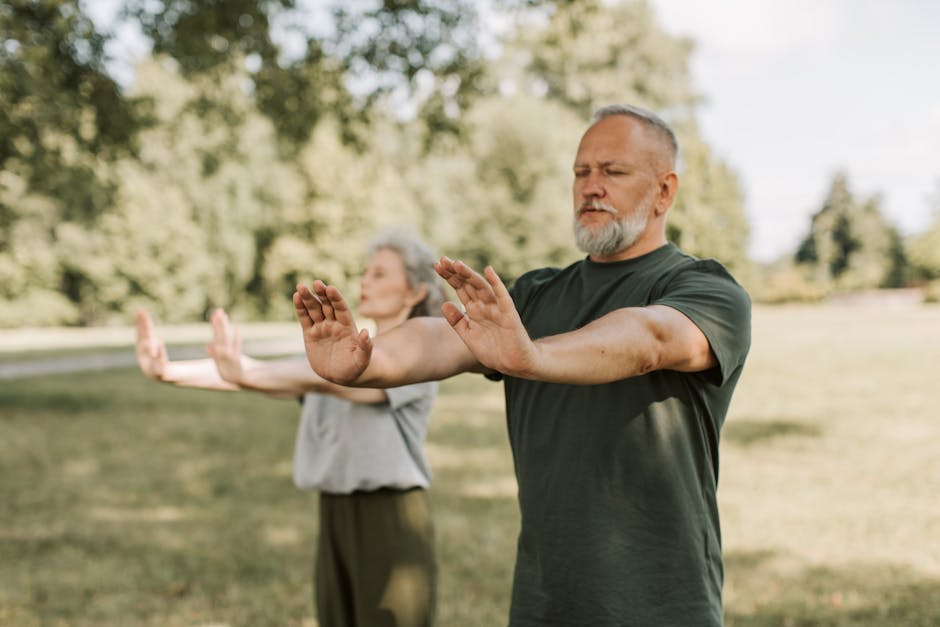
- Tai Chi: Often described as "meditation in motion," Tai Chi involves slow, flowing movements, deep breathing, and mental focus. It's particularly beneficial for improving balance, coordination, and flexibility, making it an excellent option for individuals with joint pain or those at risk of falls. The gentle nature of Tai Chi means it can often be performed even by those with limited mobility.
- Aquatic Therapy: Exercising in water offers a unique advantage, as buoyancy reduces the impact and weight on joints. This makes aquatic therapy ideal for individuals with arthritis, post-surgical recovery, or severe joint pain, allowing them to perform movements that might be too painful on land. The resistance of the water also helps to build muscle strength and improve cardiovascular fitness.
These low-impact benefits are crucial for protecting sensitive joints while still promoting physical activity. By increasing flexibility, strengthening the core, improving balance, and reducing joint strain, exercise-based approaches empower individuals to regain control over their bodies and mitigate pain. Consistency is key; we usually ask patients to do these once a day to ensure regular stimulation and sustained benefits.
Mindfulness and Relaxation Techniques
The mind's influence on pain is undeniable. Chronic pain can lead to a cycle of stress, anxiety, and heightened pain perception. Mindfulness and relaxation techniques offer powerful tools to break this cycle by changing our relationship with pain.
- Meditation for Pain: Mindfulness meditation teaches us to observe our thoughts, feelings, and bodily sensations, including pain, without judgment. By cultivating a sense of detached awareness, we can reduce the emotional reactivity to pain, making it feel less intense and overwhelming. This doesn't eliminate the pain, but it changes how the brain processes and responds to it.
- Deep Breathing Exercises: Simple yet profound, deep breathing techniques (such as diaphragmatic breathing) activate the parasympathetic nervous system, promoting relaxation and reducing the body's "fight or flight" response. This can lower muscle tension, decrease heart rate, and even improve lymphatic flow, contributing to overall pain relief.
- Progressive Muscle Relaxation (PMR): PMR involves systematically tensing and then relaxing different muscle groups throughout the body. This practice helps individuals become more aware of physical tension and learn how to consciously release it, leading to a deeper state of relaxation and reduced muscle-related pain.
Mindfulness practices literally change the brain's circuitry, influencing areas involved in pain processing. By regularly engaging in these techniques, individuals can develop greater resilience to pain, improve their mood, and improve their overall quality of life.
Here are some simple mindfulness exercises to try at home:
- Mindful Breathing: Sit comfortably. Close your eyes or soften your gaze. Bring your attention to your breath. Notice the sensation of the air entering and leaving your body. When your mind wanders, gently bring it back to your breath. Start with 5 minutes daily.
- Body Scan Meditation: Lie down or sit comfortably. Bring your attention to your toes. Notice any sensations there. Then slowly move your attention up through your feet, ankles, calves, knees, and so on, up to the top of your head. Acknowledge any sensations without judgment.
- Mindful Walking: As you walk, pay attention to the sensations in your feet as they touch the ground. Notice the movement of your legs, the swing of your arms, and the rhythm of your breath. Engage your senses by noticing sights, sounds, and smells around you.
Integrating Therapies and Building Your Personalized Strategy
Effective pain management is rarely a one-size-fits-all solution. What works wonders for one person might be less effective for another, highlighting the importance of a personalized approach. The most successful strategies often involve combining therapies to achieve synergistic effects and address the various facets of pain—physical, emotional, and psychological. This integrated approach enables a more holistic, comprehensive treatment plan that leverages the strengths of each modality.
We encourage an active patient role in this process. Your insights into your pain, your body's responses, and your personal preferences are invaluable. By being an engaged participant, you can help tailor a plan that truly fits your needs and lifestyle. Alongside specific therapies, lifestyle modifications—including diet, sleep, and hydration—form the foundational elements of any effective pain management strategy.
Creating a Holistic Pain Management Plan
Building a holistic pain management plan requires collaboration and a clear understanding of your goals. It begins with consulting qualified professionals who can offer expert guidance and ensure your safety.
- Medical Doctors: Your primary care physician can provide a diagnosis, rule out serious conditions, and coordinate care with specialists.
- Physical Therapists: They can assess your movement patterns, strength, and flexibility, and design exercise programs and provide manual techniques to restore function.
- Certified Massage Therapists, especially those specializing in techniques such as manual drainage massage, can address specific issues like swelling, inflammation, and muscle tension.
Setting realistic goals is crucial. For chronic conditions, the aim might be to reduce pain to a manageable level, improve function, and improve quality of life, rather than complete eradication of pain. We understand that once the lymphatic system is damaged, it’s permanent. It can’t repair itself, and it doesn’t regenerate like the liver. Tools like exercise and MLD can help manage lymphedema, but they can’t fix it. This understanding helps manage expectations and focuses efforts on effective management.
Tracking your progress—whether through pain diaries, mobility assessments, or simply noting improvements in daily activities—can motivate you and help your care team make necessary adjustments to your plan.
Beyond specific therapies, foundational lifestyle elements play a critical role:
- Diet: An anti-inflammatory diet rich in fruits, vegetables, lean proteins, and healthy fats can reduce systemic inflammation, a common contributor to pain.
- Sleep: Adequate, restorative sleep is essential for tissue repair, hormone regulation, and pain modulation. Poor sleep can significantly worsen pain.
- Hydration: Staying well-hydrated supports all bodily functions, including circulation and lymphatic flow, which are vital for waste removal and tissue health.
By integrating these elements, we can create a robust, personalized strategy that addresses your pain from multiple angles, promoting long-term well-being.
Frequently Asked Questions
We often encounter common questions from individuals exploring non-invasive pain management. Here are some answers to help guide your journey:
How do I choose the right non-invasive therapy? Choosing the right therapy depends heavily on your specific pain type, underlying diagnosis, and personal preferences. We recommend starting with a thorough evaluation by a medical professional or a physical therapist to accurately diagnose your condition. They can then provide recommendations based on evidence-based practices. Consider what feels comfortable and sustainable for you. For instance, if you have significant swelling, manual drainage massage might be a primary recommendation, while chronic stiffness might lead to suggestions for chiropractic care or physical therapy.
Are these therapies safe? Generally, non-invasive therapies are considered safe, especially when performed by qualified and certified practitioners. The key is to ensure your therapist has appropriate training and experience. Before starting any new therapy, always discuss your complete health history, including any pre-existing conditions, medications, and allergies, with your practitioner. This allows them to identify any specific risks or contraindications that might apply to you. For example, as noted earlier, certain conditions, such as acute infections or severe cardiac issues, are contraindications to manual lymphatic drainage.
How long until I see results? The timeline for seeing results varies significantly depending on the therapy, the nature and duration of your pain, and individual factors. Some therapies, such as manual drainage massage, may offer immediate relief from swelling or a sense of relaxation after the first session. However, for chronic conditions, consistent and sustained treatment is often required to achieve lasting benefits. Many people experience cumulative benefits, with improvements building over time with regular sessions. We encourage patience and consistency, as non-invasive therapies often work by supporting the body's natural healing processes, which can take time.
Conclusion
Living with musculoskeletal pain doesn't have to mean a life dominated by discomfort or a reliance on medication. As we've explored, a diverse landscape of non-invasive therapies offers powerful, holistic, and sustainable paths to relief and improved well-being. From the gentle, yet profound, effects of manual drainage massage to the strengthening and balancing benefits of movement therapies like yoga and Tai Chi, and the calming influence of mindfulness practices, there are numerous avenues to explore.
Our shift towards holistic and sustainable care empowers you to become an active participant in your healing journey. By understanding your body, seeking guidance from qualified professionals, and integrating various therapeutic approaches, you can build a personalized strategy that addresses your unique needs. We encourage you to explore these safe, non-pharmacological paths to wellness. If you're ready to learn more about how manual lymphatic drainage can support your health and recovery, particularly for managing swelling and promoting detoxification, we invite you to visit our dedicated page on Lymphatic Drainage.

FOLLOW ME ON SOCIAL MEDIA


No comments:
Post a Comment
I love reading and responding to comments but in order to get my reply you must ensure you are NOT a no-reply blogger. If you are, here are some quick steps to change that!
1. Go to the home page of your Blogger account.
2. Select the drop down beside your name on the top right corner and choose Blogger Profile.
3. Select Edit Profile at the top right.
4. Select the Show My Email Address box.
5. Hit Save Profile.