

Key Takeaways
- Put personal safety first before entering or cleaning a damaged property.
- Identify whether the damage involves water, fire, mold, sewage, chemicals, or structural problems.
- Remove moisture quickly, but only when electrical and structural conditions are safe.
- Document damage, damaged belongings, cleanup work, receipts, and professional assessments.
- Use cleaning methods appropriate for the affected material and type of contamination.
- Seek professional help for extensive mold, sewage, smoke residue, hidden moisture, or structural concerns.
- Do not reopen or fully occupy a property until major hazards have been evaluated and addressed.
- Regular roof, plumbing, drainage, and HVAC maintenance can help reduce future damage.
Charlotte property owners often face cleanup challenges after heavy rain, plumbing failures, electrical fires, humid summers, and storm-driven debris. Whether the damage affects a home, office, rental property, or retail space, the priority is to protect people and prevent a manageable problem from spreading. When damage reaches framing, masonry, ceilings, or other permanent building components, professional structural cleaning in Charlotte can help address contamination and residue without overlooking the condition of the structure itself. Cleanup is not simply about making a room look normal again. Water can remain behind baseboards or beneath flooring, soot can settle far from the fire source, and mold can grow where moisture is hidden from view. A careful plan gives Charlotte residents a safer path from emergency response through repairs and eventual reentry. Some cleanup projects also reveal damage that cannot be solved by washing, drying, or deodorizing alone. If materials have lost their strength or must be removed to access hidden damage, timely reconstruction in Charlotte can be the next practical step toward restoring a safe, usable space.
Take The First Safe Actions
Do not rush into a damaged building to save belongings. Leave immediately if there is active fire, a gas odor, standing water near electricity, a sagging ceiling, damaged stairs, or signs that walls or floors are shifting. Keep children, pets, and vulnerable adults away from the site. Call emergency services when the threat remains active, and stop a water source only if it can be done safely. Before moving items, take clear photos from a safe location.
Check The Building Before Cleanup
A room may appear stable while damage is developing behind finishes or inside support areas. Look for cracked walls, bowed surfaces, broken glass, exposed wiring, loose railings, smoke odor, and wet insulation. Charlotte's warm, moisture-prone conditions can quickly worsen concealed dampness. When there is doubt about structural integrity, utilities, or fire-related damage, wait for a qualified inspector, utility worker, or other trained professional to clear the property.
Identify The Main Type Of Damage
The source of damage determines the right cleanup plan. Clean water from a small supply-line leak is different from sewage, stormwater, or water carrying chemicals. Fire damage can include charred materials, ash, soot, smoke odor, and water used during suppression. Mold damage points to an ongoing moisture issue, while exterior contamination may include rust, dirt, graffiti, pollution, or storm debris. More than one category can exist at once, especially after a fire or major storm.
Control Water And Moisture
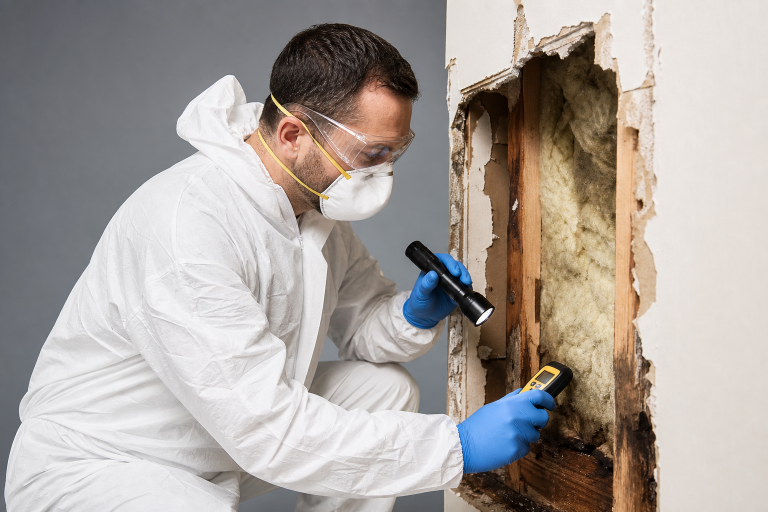
Start by stopping the leak or intrusion, then remove standing water with appropriate equipment. Separate wet belongings from dry rooms and improve airflow only when electricity and outdoor conditions are safe. Wiping visible moisture is not enough when water has entered subflooring, wall cavities, cabinets, insulation, or ceiling assemblies.
- Find and safely stop the water source.
- Remove standing water and wet debris.
- Move salvageable contents away from unaffected areas.
- Use ventilation and drying equipment when conditions allow.
- Check concealed spaces for dampness before closing walls or beginning repairs.
Handle Smoke, Soot, And Fire Residue
Visible ash is only part of a fire cleanup. Smoke particles can settle on ceilings, walls, fixtures, ductwork, furniture, and contents in rooms far from the flames. Residue may stain surfaces, produce a persistent odor, and become harder to remove when combined with humidity. Painted drywall, natural wood, metal, masonry, and fabric each respond differently to dry cleaning, wet washing, odor treatment, or controlled removal. Burned materials and compromised electrical components require extra caution.
Address Mold With Care
Fix the moisture problem before attempting to remove mold. The EPA's mold cleanup guidance notes that small areas may sometimes be manageable. At the same time, significant growth, extensive water damage, contaminated water, HVAC involvement, or health concerns may require professional help. Wear suitable eye, skin, and respiratory protection, isolate affected materials from clean spaces, and avoid painting or sealing over active growth. Porous materials such as carpet, ceiling tile, and insulation may need to be removed because growth can extend below the surface.
Choose The Right Cleaning Method
There is no universal cleaning method for every Charlotte building. Hard, durable surfaces may tolerate careful washing or scrubbing. Fragile finishes may need low-pressure cleaning and a small test area first. Porous materials can retain moisture, soot, or biological growth beyond the visible layer. Some contaminated materials require containment, removal, and specialized disposal rather than aggressive cleaning. HEPA vacuuming, steam, pressure washing, dry methods, and abrasive techniques should be selected only after considering the material and contamination involved.
Know When Professional Help Is Needed
Bring in trained assistance for widespread mold, sewage exposure, major smoke residue, strong chemical odors, structural movement, hidden moisture, hazardous materials, or contamination within heating and cooling systems. Before hiring a provider, ask what types of damage they handle, how they will contain the area, what protective equipment they use, how they verify progress, and whether they provide written records and photographs.
Document The Damage
Organized documentation can make the recovery process easier. Photograph every affected room, create an inventory of damaged belongings, save receipts, and retain estimates, reports, and communication records. Keep a simple log that includes the date, likely source of damage, affected areas, discarded materials, drying and cleaning steps, and the names of inspectors, adjusters, and contractors. Document cleanup as it happens, not only at the end.
Prepare For Safe Reentry
Normal use should not resume merely because a room looks clean. The CDC's safety guidance for returning home emphasizes checking for hazards before entering and avoiding wet electrical equipment or contaminated floodwater. Confirm that utilities are safe, investigate lingering odors and hidden moisture, remove heavily contaminated materials, clean protective gear and tools, and keep unfinished areas closed until they are dry and safe.
Reduce The Chance Of Repeat Damage
Prevention is especially valuable in Charlotte, where seasonal storms and summer humidity can expose small maintenance issues. Inspect roofs, gutters, downspouts, plumbing connections, sump equipment, exterior grading, HVAC areas, and drainage paths regularly. Repair leaks early, test smoke and carbon monoxide alarms, keep chemicals stored safely, maintain emergency contacts in multiple places, and review insurance coverage each year.
Conclusion
A safer cleanup begins with patience rather than speed. Protect people first, evaluate the building carefully, identify the type and extent of damage, and choose cleanup methods that match the affected materials. Avoid rushing into repairs that could hide moisture, spread contamination, or create additional damage. With careful drying, appropriate cleaning, thorough documentation, proper disposal of damaged materials, and timely professional support when the work exceeds what can be handled safely, Charlotte property owners can reduce avoidable risks, protect valuable belongings, and move toward a cleaner, safer, and more organized recovery.

FOLLOW ME ON SOCIAL MEDIA


No comments:
Post a Comment
I love reading and responding to comments but in order to get my reply you must ensure you are NOT a no-reply blogger. If you are, here are some quick steps to change that!
1. Go to the home page of your Blogger account.
2. Select the drop down beside your name on the top right corner and choose Blogger Profile.
3. Select Edit Profile at the top right.
4. Select the Show My Email Address box.
5. Hit Save Profile.