

Table of Contents
- Winter Roof Checks in Fayetteville
- Spring Storm Season Checklist
- Summer Heat and Humidity Checks
- Fall Maintenance Before Leaves and Rain
- A Simple Monthly Roof Check
- When to Call a Roofing Professional
- Roof Care Questions Fayetteville Homeowners Ask
- Final Fayetteville Roof Care Checklist
Fayetteville roofs face a changing mix of heavy rain, spring storms, summer heat, falling leaves, wind, and winter freezes. A small problem around a vent, gutter, or shingle can allow water into insulation or framing long before a ceiling stain becomes obvious. A seasonal plan gives homeowners a practical way to spot concerns early, whether they live in an older neighborhood, a newer subdivision, or near heavily wooded lots.
For homeowners comparing local inspection and repair options, FES Roofing is a locally operated exterior services company in Northwest Arkansas with experience in roof inspections, maintenance, repairs, replacements, gutters, and storm-related roof damage. Its Fayetteville service information also covers nearby roofing Springdale AR needs, making it a relevant regional resource for homeowners who need a professional assessment after weather-related wear or damage.
Most routine checks can be completed safely from the ground or inside the attic. Do not climb onto a wet, steep, damaged, or debris-covered roof. Instead, use binoculars where helpful, take dated photos, and bring in a trained roofing professional when a problem cannot be safely seen or reached.
Winter Roof Checks in Fayetteville
Look for Freeze-Related Warning Signs
Cold weather can reveal weak points in a roof and drainage system. After freezing rain, snow, or a sharp temperature change, inspect the upper ceilings and walls for any new discoloration. In the attic, look for damp insulation, darkened roof decking, visible frost, or a musty smell. From the ground, check whether gutters have pulled away from the fascia, whether downspouts are obstructed, and whether flashing around chimneys, skylights, and vent pipes appears cracked or lifted.
Prepare Before a Cold Snap
Clear leaves and small branches from drainage paths before freezing weather arrives. Make sure downspouts direct water away from the foundation, and trim limbs that could break under ice or strong winds. Keep photos of the roof, prior invoices, and repair records in one folder so changes are easier to document. Fayetteville homeowners can also review the city's cold-weather readiness information when rapidly changing winter conditions call for broader household preparation.
Spring Storm Season Checklist
Inspect After Wind, Hail, and Heavy Rain
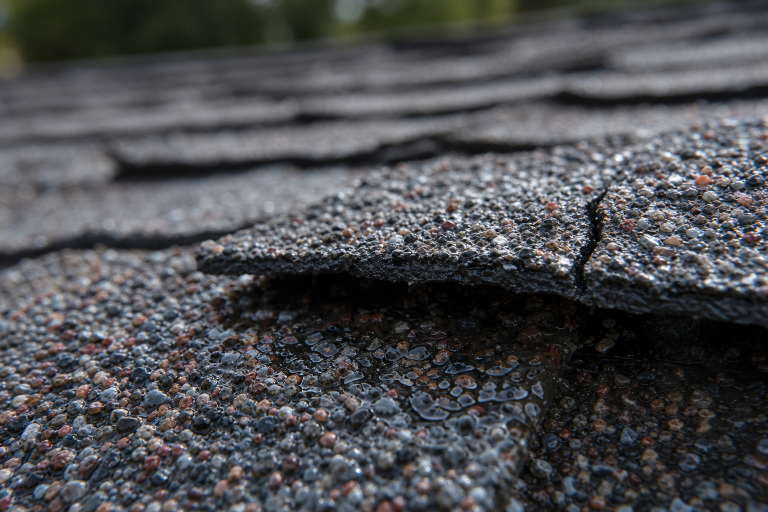
Once conditions are safe, walk around the property and look for roofing granules, shingle fragments, or fallen flashing. From ground level, note missing, curled, cracked, or visibly lifted shingles. Check gutters for dents, loose sections, and unusual granule buildup. Hail can also leave marks on window screens, siding, vents, and outdoor equipment, which may help establish that the property experienced a damaging event.
Inside, inspect the attic for wet decking, water trails, damp insulation, or daylight showing through the roof structure. A leak may not drip during the storm itself. Water can enter at one point, travel along the framing, and appear later in a different room.
What to Do if Damage Appears
- Take clear, dated photos from the ground and inside the home.
- Place a container under an active leak and move belongings away from the area.
- Do not walk on a wet or potentially damaged roof.
- Contact the insurance provider if storm damage may be involved.
- Request a written inspection report before approving repairs.
Summer Heat and Humidity Checks
Prolonged heat can accelerate visible shingle wear. Look for brittle edges, curling, exposed fasteners, cracked sealant, or deteriorated pipe boots. Inside the attic, confirm that ventilation is not blocked by insulation or stored items. Unusually warm upstairs rooms, persistent humidity, or elevated cooling bills can be clues that attic ventilation, insulation, or roof performance deserves closer attention.
Summer rain makes drainage equally important. Clean gutters before periods of heavy rainfall, verify that downspouts are not buried by mulch or soil, and use extensions or splash blocks to move runoff away from the foundation. When high temperatures create additional stress on homes and residents, Fayetteville's hot-weather readiness resources provide useful local planning information. Remove debris from low-slope roof areas only when it can be done safely from an approved access point.
Fall Maintenance Before Leaves and Rain
Fall is the best time to reset the roof drainage system before winter. Remove leaves from gutters and roof valleys; check for rust, sagging sections, leaks, and loose hangers; and ensure each downspout remains securely connected. Pay extra attention to areas below overhanging trees, because repeated leaf buildup can trap moisture near roof edges.
Also, review the visible roof surface for dark patches, granule loss, moss, algae, or organic growth in shaded areas. Check exposed vents, flashing, and pipe boots for wear. Scheduling smaller repairs in the fall can reduce the chance that a manageable issue becomes an interior leak during winter weather.
A Simple Monthly Roof Check
A 10 to 15-minute monthly routine can help homeowners catch changes between seasonal inspections:
- Walk around the home after heavy rain or strong winds.
- Look for loose materials, damaged gutters, or new stains.
- Check the attic for moisture, daylight, and unusual odors.
- Review utility bills for unexplained changes in heating or cooling.
- Record concerns with dated photos and short notes.
When to Call a Roofing Professional
Arrange a professional inspection when there is an active ceiling or attic leak, missing or lifted shingles, a sagging roofline, storm debris on the roof, damaged flashing, or a large amount of granules in gutters. Professional help is also wise when a roof is approaching the end of its expected service life. A thorough report should identify the roofing material and approximate age, affected areas, flashing and vent conditions, drainage concerns, photos, recommended repairs, and the urgency of each finding.
Roof Care Questions Fayetteville Homeowners Ask
How Often Should a Roof Be Checked?
Perform a visual check every few months and after severe weather. Homes with older roofs, mature trees, skylights, or low-slope sections may need more frequent attention.
Can Homeowners Inspect a Roof From the Ground?
Yes. Ground-level checks can reveal missing shingles, fallen debris, loose gutters, and visible damage to flashing. Leave roof access to trained professionals with appropriate safety equipment.
Should Gutters Be Checked With the Roof?
Yes. Gutters are part of the roof drainage system. A clog or a detached section can send water behind the siding, toward the roof edges, or near the foundation.
Does a Small Leak Require Immediate Action?
Yes. Even a slow leak can spread through insulation, drywall, and framing. Temporary containment can limit damage, but the source should be identified promptly.
Final Fayetteville Roof Care Checklist
- Check the roof after major storms.
- Keep gutters, valleys, and downspouts clear.
- Trim branches that could strike the home.
- Inspect the attic for moisture and daylight.
- Document visible damage before repairs begin.
- Use licensed and insured professionals for roof work.
- Address small concerns before the next weather cycle.
A seasonal roof care plan does not need to be complicated. Regular observation, clear drainage, timely documentation, and professional help when conditions are unsafe or unclear can protect a Fayetteville home through every season in 2026.

FOLLOW ME ON SOCIAL MEDIA


No comments:
Post a Comment
I love reading and responding to comments but in order to get my reply you must ensure you are NOT a no-reply blogger. If you are, here are some quick steps to change that!
1. Go to the home page of your Blogger account.
2. Select the drop down beside your name on the top right corner and choose Blogger Profile.
3. Select Edit Profile at the top right.
4. Select the Show My Email Address box.
5. Hit Save Profile.