

Key Takeaways
- AI enhances customer personalization and engagement.
- Real-time data analytics improve decision-making processes.
- AI-driven automation optimizes operational efficiency.
- Advanced AI models bolster fraud detection and compliance.
- Integration of alternative data sources informs investment strategies.
Table of Contents
- Introduction
- Hyper-Personalized Client Engagement
- Real-Time Decision-Making
- Digital Transformation in Sales and Trading
- Optimized Liquidity Management
- AI-Powered Compliance and Surveillance
- Cross-Silo Data Integration
- Client Profitability Analytics
- Expanding Use of Alternative Data
- Harnessing Innovation to Drive Cost-Effectiveness
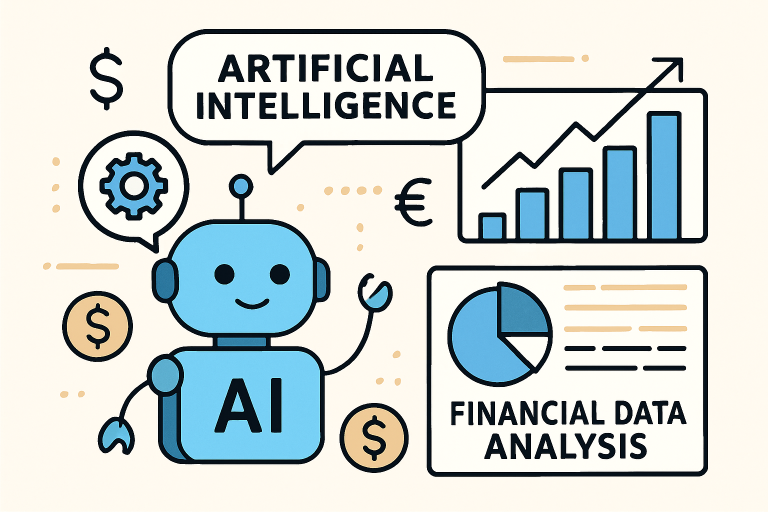
In recent years, Artificial Intelligence (AI) has firmly established itself as a transformative force within the financial services industry. From sophisticated data analysis and customer engagement to advanced risk management and fraud detection, AI provides institutions with the powerful tools needed to adapt and thrive in a rapidly evolving digital landscape. Financial services providers are increasingly embracing AI-powered innovations, such as AI agents in finance, to enhance decision-making, personalize offerings, and outpace competitors.
This banking revolution is primarily driven by AI, which enhances client engagement, asset management, and market prediction through real-time data analytics. Financial institutions can create personalized customer experiences while improving risk assessment and operational efficiency. As banks adopt scalable AI solutions, they must also maintain a balance between innovation and regulatory oversight to ensure profitability and public trust. The document highlights crucial trends driving optimized liquidity management and agile decision-making, emphasizing that the true potential of AI requires both technological and cultural advancements.
Hyper-Personalized Client Engagement
Hyper-personalization is at the core of modern financial services. By analyzing each client’s preferences, goals, and behaviors, AI empowers banks and investment firms to move beyond generic offerings. Personalized dashboards, product recommendations, and tailored communications foster deeper relationships, boosting both engagement and retention. AI-driven personalization significantly increases client satisfaction, translating into stronger brand loyalty and a higher share of wallet.
Real-Time Decision-Making
Time-sensitive decisions are crucial in finance, whether in trading, client interaction, or risk management. AI-powered real-time data analytics ingest and analyze vast datasets instantly, enabling institutions to make informed decisions without delay. Machine learning models help institutions detect risks as they arise, ensure compliance, and react to shifting market dynamics with speed and precision. This results in improved asset allocation, enhanced risk management, and reduced costs associated with human error.
Digital Transformation in Sales and Trading
Sales and trading functions are being transformed by intelligent digital platforms. Automation accelerates trade execution, mitigates manual errors, and provides actionable insights on complex portfolios. These platforms leverage natural language processing to evaluate sentiment, forecast trends, and optimize proposals for both institutional and retail clients. The digitization of sales and trading reduces operational friction, leading to greater transparency, efficiency, and revenue generation.
Optimized Liquidity Management
Efficient liquidity management enables banks to meet their obligations while maximizing profitability. AI-driven systems match liquidity reserves to anticipated client needs, especially in fixed-income markets where inventory imbalances can spark volatility. Advanced forecasting algorithms enable proactive balance sheet adjustments and minimize capital costs. This sophisticated approach to liquidity stabilizes both individual firms and the broader financial system.
AI-Powered Compliance and Surveillance
Financial crime and regulatory breaches pose significant threats to institutions. AI models not only automate and enhance transaction and communication surveillance, but they also detect subtle patterns linked to fraud, insider trading, and money laundering. Machine learning adapts over time, sharpening its ability to spot new forms of misconduct and ensuring that banks stay ahead of regulatory demands. This proactive approach supports both compliance teams and broader risk management efforts.
Cross-Silo Data Integration
Banks with data siloed across departments may miss critical opportunities for synergy. By seamlessly integrating information from sales, trading, customer service, and compliance, AI offers a holistic view of each client relationship. This improves cross-selling capabilities and provides leadership with a clear view of profitability and risk exposure across multiple asset classes. Ultimately, cross-silo integration supports faster, smarter business decisions and drives firm-wide value.
Client Profitability Analytics
Understanding which clients drive profits is a strategic advantage. Sophisticated analytics powered by AI parse millions of transactions to attribute revenues and costs accurately. This clarity enables financial institutions to invest more effectively in high-value relationships, tailor pricing and service strategies, and even identify underserved segments worth growing. By having a clear picture of client profitability, banks can optimize resource allocation and plan for sustainable, long-term growth.
Expanding Use of Alternative Data
The integration of non-traditional data sources, such as social media analysis, satellite imagery, and weather trends, is advancing alpha generation and idea discovery in investment management. AI systems process these diverse streams to unearth market signals or predict economic shifts before they show up in traditional datasets. By leveraging these alternative sources, financial institutions can identify unique investment opportunities and mitigate risks that no other data could reveal.
Harnessing Innovation to Drive Cost-Effectiveness
Efficiency and cost reductions are key motivators behind AI investments. Financial institutions strategically deploy AI technologies to automate routine processes, streamline middle- and back-office functions, and align technology spend with business outcomes. By focusing on innovations that provide clear returns, firms maintain their edge while managing expenses in a competitive industry.
AI-driven data science is reinventing the foundations of financial services, paving the way for superior client outcomes, operational resilience, and strategic growth. Only by continually adopting and refining these AI tools can institutions anticipate disruption and deliver value in an era defined by speed, complexity, and unprecedented digital opportunity.

FOLLOW ME ON SOCIAL MEDIA


No comments:
Post a Comment
I love reading and responding to comments but in order to get my reply you must ensure you are NOT a no-reply blogger. If you are, here are some quick steps to change that!
1. Go to the home page of your Blogger account.
2. Select the drop down beside your name on the top right corner and choose Blogger Profile.
3. Select Edit Profile at the top right.
4. Select the Show My Email Address box.
5. Hit Save Profile.