

Key Takeaways
- Engage in daily foot exercises for strength and mobility.
- Choose supportive, well-fitted footwear for lasting comfort.
- Prioritize foot hygiene to prevent infections and irritation.
- Healthy weight management lowers unnecessary stress on the feet.
Your feet carry you through every day, yet they often go unnoticed until discomfort arises. Prioritizing foot wellness means adopting simple, consistent habits that yield noticeable results for your strength, mobility, and comfort. When we make foot care a priority, the benefits go far beyond simply avoiding pain; healthy feet are truly the foundation for an active, independent lifestyle at any age. Taking proactive steps with guidance from trusted sources like CWG Footcare Ottawa Experts can help you establish a foundation of lifelong foot health, especially if you are prone to issues or have an existing condition that puts your feet at risk.
Developing and maintaining strong, resilient feet helps you stay active, reduces your risk of injury, and supports your overall well-being. These habits are easy to incorporate into daily routines and can improve balance, flexibility, and comfort. Small, thoughtful changes now can lead to long-term rewards, both in how you feel day to day and by reducing discomfort and risk of common chronic foot problems down the road. It’s never too early, or too late, to start making your foot health a priority.
Engage in Regular Foot Exercises
Strengthening the feet enhances balance, flexibility, and resilience. Daily routines do not need to be complicated. Simple activities, such as toe rises, toe splay, and towel scrunches, can make a meaningful difference. If you’re new to foot exercises, start with just 5 minutes a day and gradually increase as you get more comfortable. According to experts at UCLA Health, these exercises target both the small stabilizing muscles and larger muscle groups, helping to prevent conditions like plantar fasciitis and improve your overall stability, especially as you age. Routine foot strengthening can also boost proprioception, the body’s sense of spatial position, which translates to better balance and fewer falls.
Choose Supportive Footwear
The type of footwear you choose directly impacts your foot health. Shoes that are too tight or lack proper support can lead to pain, bunions, corns, and other chronic issues. Look for shoes that offer good arch and heel support, ample cushioning, and enough room for your toes to move comfortably. If you spend long hours walking or standing, switch between a few different pairs to avoid pressure points. The New York Times Guide to Foot Care highlights the importance of gradually breaking in new shoes and reassessing shoe fit as your feet change over time. It’s also beneficial to shop for shoes later in the day, when feet are at their largest, to ensure a proper fit. Consider specialized footwear if you have unique needs: for example, people with diabetes often require shoes without internal seams to prevent ulcers.
Maintain Proper Foot Hygiene
Cleanliness is fundamental to preventing infections. Washing your feet thoroughly each day removes bacteria and sweat, lowering the risk of fungal infections like athlete’s foot. Drying between the toes and wearing breathable socks is key. Many people overlook the importance of keeping toenails trimmed straight across to prevent ingrown nails and keeping cuticles tidy. The Centers for Disease Control and Prevention recommends changing socks daily and airing out shoes to inhibit moisture buildup. If you visit swimming pools or locker rooms, use flip-flops to protect against communal fungi and bacteria, and disinfect minor cuts or scrapes promptly to avoid infection.
Incorporate Foot Stretches
Flexibility often declines as we age or if we wear restrictive footwear. Gentle stretching routines can mitigate this. Big toe, heel cord, and calf stretches help maintain range of motion in both your feet and ankles, easing daily movement and reducing the likelihood of tension buildup. Try rolling your foot over a frozen water bottle to stretch the plantar fascia and soothe sore muscles. Give your feet time to pull in the morning or before and after exercise for best results. Routine stretching also supports circulation, which brings vital nutrients to foot tissues and helps flush away metabolic waste.
Avoid Harmful Habits
Everyday behaviors may silently undermine foot health. Regularly wearing high heels or inflexible shoes can place extra strain on the forefoot and alter your gait, potentially leading to long-term damage. Likewise, walking barefoot on hard or rough surfaces reduces natural shock absorption, increasing your risk of heel pain and injuries. Make conscious footwear choices and pay attention to how your feet feel over time. Smoking, for instance, impairs circulation to the feet, slowing healing and increasing the risk of ulcers and infection. Listen to your body, and don’t dismiss persistent aches as usual; addressing them early prevents more serious issues later.
Maintain a Healthy Weight
Even moderate weight fluctuations can impact the load placed on your feet, particularly the arches and heels. Carrying extra weight overworks the foot’s structures, which may contribute to joint discomfort or stress injuries. Every pound of additional body weight adds several pounds of pressure with each step. Employing mindful nutrition and regular physical activity helps prevent excess strain. Minorl lifestyle adjustments, like walking daily or swapping sugary drinks for water, can add up to meaningful changes. Aligning weight management with footcare supports your overall wellness and energy levels.
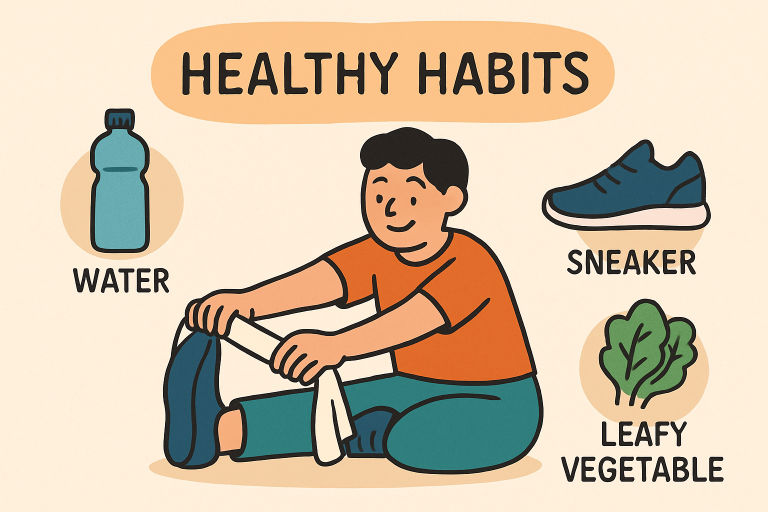
Practice Daily Foot Recovery
Recovery routines are just as important as regular exercise. Using a textured ball or massage roller on your feet helps relieve tension and boost circulation, especially after long periods of standing or activity. This simple act of self-care, performed twice a day, can help reduce soreness and speed recovery from fatigue. If you experience sore spots, a cool foot bath followed by gentle stretches can work wonders. Rest and gentle recovery help keep your feet prepared for future activity. Consider elevating your feet at the end of the day to reduce swelling and improve blood flow, especially if you sit or stand for long hours.
Stay Hydrated
Hydration is often overlooked in discussions of skin and tissue health. Drinking enough water during the day supports the elasticity of your skin and the health of the tissues in your feet, making them less prone to dryness, cracks, and calluses. This simple habit is a practical, preventive measure for foot discomfort. Staying hydrated also helps your body flush toxins and maintain natural joint lubrication. Use moisturizers regularly, preferably after bathing, to lock in moisture, but avoid applying lotion between the toes, where excess moisture can foster fungus.
Adopting these healthy habits for your feet only takes a few minutes each day but can add up to considerable benefits over time. By consistently caring for your feet and incorporating expert advice, you can step confidently into each day with stronger, healthier feet. Remember, investing in regular foot care now not only prevents discomfort but also supports lifelong mobility and independence.

FOLLOW ME ON SOCIAL MEDIA


No comments:
Post a Comment
I love reading and responding to comments but in order to get my reply you must ensure you are NOT a no-reply blogger. If you are, here are some quick steps to change that!
1. Go to the home page of your Blogger account.
2. Select the drop down beside your name on the top right corner and choose Blogger Profile.
3. Select Edit Profile at the top right.
4. Select the Show My Email Address box.
5. Hit Save Profile.