

Key Takeaways
- Understanding the different types of fasteners and their applications is essential for project success.
- Material compatibility and environmental factors significantly influence fastener selection.
- Proper installation techniques enhance the performance and durability of fasteners.
Whether you’re undertaking a home renovation or a professional construction project, selecting the proper fastener shapes the integrity and durability of your finished product. Each project presents unique challenges in terms of materials, load requirements, and environmental conditions, which means knowledge is key for choosing components that deliver secure and lasting connections. For those working with security hardware, options from Best Security Screws can ensure tamper-resistance and reliability in demanding situations.
Fasteners serve as the backbone for everything from framing walls to assembling furniture, so understanding the precise use for each type is crucial. Fluency in fastener fundamentals allows you to avoid costly errors, prevent structural failures, and ensure safety for years to come.
As you evaluate project requirements, consider not only the immediate installation challenges but also the long-term impact of environmental exposure and the types of loads each joint will support.
From sourcing information on corrosion-resistant materials to learning proper installation methods, referencing respected sources like Bob Vila’s guide to deck screws helps ensure your approaches are in line with industry best practices.
Understanding Fastener Types
Fasteners are available in a variety of styles, each tailored for specific tasks and materials:
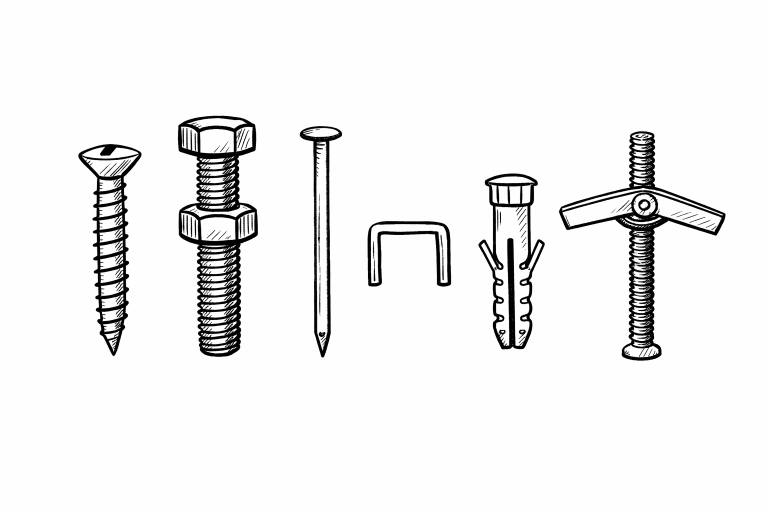
- Screws and Bolts: These provide excellent holding power due to their threads. Screws are a go-to choice for joining wood, metal, and drywall, while bolts are often selected for heavier-duty applications requiring nuts and washers.
- Nails and Staples: Common in woodworking and light framing, these offer quick installation, particularly for projects not subject to high stress or vibration.
- Anchors and Toggle Bolts: When you need to secure components to hollow walls or other materials that cannot directly support screws, these specialized fasteners distribute loads and improve attachment strength.
Understanding these options helps prevent issues like overloading connections or using fasteners that cannot support the desired strength, which can be a major cause of premature failures in construction.
Material Compatibility and Environmental Considerations
Your choice of fastener must be compatible with the materials involved in your project. For instance, using stainless steel fasteners with aluminum components prevents galvanic corrosion, a chemical reaction that can quickly degrade metal connections. If a project is exposed to high humidity, salt air, or chemicals, selecting fasteners made from materials like stainless steel or hot-dip galvanized steel ensures a longer-lasting joint that stands up to the environment.
Fastener coatings, such as zinc plating, also play a significant role in corrosion resistance. Areas where the wrong fastener material is used often show signs of rusting, swelling wood, or damaged finishes within just a few years. Experts at Bob Vila provide a detailed overview of corrosion-resistant fastener options for challenging climates.
Load Requirements and Strength
The forces exerted on fasteners are central to making the right selection. In some cases, connections must withstand heavy tension, for example, in deck framing, and high-tensile bolts or lag screws are ideal for this. For shear loads, as seen in floor joists or horizontal attachments, fasteners with enhanced shear strength are preferable.
Joints subject to repeated movement, vibration, or cyclical loading require solutions that prevent loosening. Nyloc nuts, spring washers, or thread-locking compounds are widely used to preserve tight connections and prevent structural slippage over time.
Proper Installation Techniques
Even the most robust fastener will underperform if installed incorrectly. Drilling proper pilot holes before inserting screws or nails not only prevents wood from splitting near the edges but also allows the fastener to grip more effectively. For bolts and heavy-duty anchors, torqueing to the manufacturer’s specifications creates a more stable, lasting attachment.
When installing into masonry, hollow walls, or composite materials, always use the recommended anchor type and follow preparation guidelines for drilling and positioning. Accurate depth and alignment are particularly important to maximize holding power and prevent premature failure.
Common Mistakes to Avoid
Frequent missteps when choosing or installing fasteners include mismatching fastener material with substrate, overlooking the need for corrosion resistance in humid or coastal locations, and failing to account for movement or vibration. These errors can compromise an entire structure’s safety or trigger expensive repairs down the line. Meticulous attention to detail in these areas dramatically reduces long-term issues and maintenance costs.
Advanced Tips for Fastener Longevity
To extend the lifespan of your assemblies, consider implementing periodic inspections of critical joints, especially in outdoor or load-bearing applications. Over time, environmental factors such as temperature fluctuations and moisture exposure can cause natural expansion and contraction in connected materials, leading to loosening or potential failure. Retighten fasteners where necessary and replace any that show signs of corrosion or physical damage.
In addition, using anti-seize compounds on threaded fasteners in challenging environments can prevent galling and make future removal much easier. For projects involving vibration-prone machinery or exterior installations, opting for locking mechanisms or adhesives like threadlocker adds an extra layer of security against accidental loosening.
Resources for Further Learning
If you’re eager to expand your expertise, consult manufacturer datasheets and engineering tables that specify the load ratings, recommended torque values, and best-fit applications for various fastener types. Many industry associations and specialty retailers provide free guides and calculation tools for estimating fastener requirements based on your materials and anticipated loads. Continuing education, whether through in-person workshops or online videos, can also enhance your hands-on abilities and keep you informed about innovations in fastener technology.
Conclusion
Effective construction and renovation rely on choosing fasteners that match both your project specifications and environmental challenges. Familiarity with the various fastener types, mindfulness of load and compatibility factors, and adherence to best-practice installation techniques collectively ensure results that stand the test of time. With the right approach and resources, every connection you make will deliver strength, safety, and resilience.

FOLLOW ME ON SOCIAL MEDIA


No comments:
Post a Comment
I love reading and responding to comments but in order to get my reply you must ensure you are NOT a no-reply blogger. If you are, here are some quick steps to change that!
1. Go to the home page of your Blogger account.
2. Select the drop down beside your name on the top right corner and choose Blogger Profile.
3. Select Edit Profile at the top right.
4. Select the Show My Email Address box.
5. Hit Save Profile.