

Key Takeaways
- Developing daily hygiene practices can help prevent common dental problems before they arise.
- Modern dental products and innovations offer new solutions for improved oral health management.
- Routine check-ups with a dental professional are crucial in maintaining your smile and detecting any concerns early.
Table of Contents
- Daily Oral Hygiene Practices
- Choosing the Right Dental Products
- Importance of Regular Dental Check-ups
- Diet and Oral Health
- Emerging Technologies in Dental Care
- Addressing Dental Anxiety
- Oral Health and Overall Well-being
- Conclusion
Maintaining a healthy smile is not simply about aesthetics; it is a vital aspect of well-being. With so many advancements in dental care, it is easier than ever to adopt habits that protect your oral health for the long term. For individuals concerned about both care and cost, affordable options such as low cost dental implants are now available, helping to make modern dental solutions accessible for more people.
Oral health habits impact your overall quality of life. In addition to daily routines, new technologies and products make preventive care simpler and more effective than ever. Small lifestyle adjustments, from your choice of dental products to the foods you eat, can yield significant benefits, ensuring that your teeth and gums remain strong well into the future.
By staying informed about current best practices and innovations in oral healthcare, you can take confident steps toward a healthier smile. Practicing these habits today will help to prevent problems tomorrow and provide peace of mind that you are safeguarding your general health as well.
Adopting a holistic approach to dental care means understanding not only how to maintain your smile but also appreciating how oral health connects to your overall well-being. By building habits rooted in science and proactive care, you can protect both your mouth and your long-term health.
Daily Oral Hygiene Practices
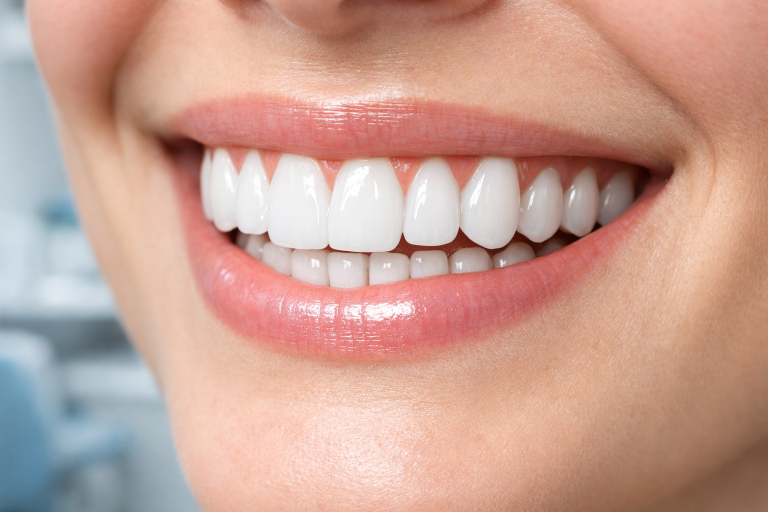
Establishing a daily oral hygiene routine is the foundation for long-term dental health. According to the American Dental Association, brushing twice a day with fluoride toothpaste and flossing each day effectively removes plaque and helps prevent cavities and gum disease. Regular brushing ensures that food particles and bacteria are cleared away, without giving them time to break down enamel or irritate gums.
It is also important to brush with technique in mind: gentle circular motions over all surfaces of the teeth and along the gumline can make a significant difference. Remember to replace your toothbrush every three to four months or sooner if the bristles are frayed.
Choosing the Right Dental Products
The right dental tools and products amplify the effects of your routine. Soft-bristled toothbrushes are typically recommended because they clean effectively without wearing away tooth enamel or injuring gums. Many dental professionals suggest electric toothbrushes, as studies indicate they remove more plaque than manual versions.
Mouthwashes can be useful in reducing harmful bacteria and strengthening enamel, especially those containing fluoride. Floss, dental picks, or water flossers ensure that plaque and food debris are removed from spots that brushing cannot reach, lowering your risk of decay and gum disease. Learn more about how to choose the right products with advice from Consumer Reports.
Importance of Regular Dental Check-ups
Routine dental appointments are critical for keeping your smile healthy. Professional cleanings remove hardened plaque (tartar) that brushing alone cannot handle, thus preventing gum disease and tooth loss. During check-ups, dentists look for signs of oral cancer, cavities, gum problems, or misaligned teeth, catching issues at the earliest, most treatable stages.
According to a 2025 Delta Dental report, 87% of adults now prioritize dental check-ups as much as their yearly medical exams, reflecting growing awareness of oral health's importance.
Diet and Oral Health
Nutrition plays an important role in dental health. A diet low in sugar and acidity reduces enamel wear and your risk of cavities. Calcium-rich foods, such as dairy products, leafy greens, and almonds, help maintain strong teeth and bones, while vitamin D aids with calcium absorption.
Fruits and vegetables with a high water and fiber content can help cleanse your teeth naturally and stimulate saliva flow, which neutralizes acids and helps wash away food particles.
Emerging Technologies in Dental Care
Advancements in dental technology are transforming how patients access and experience care. Teledentistry platforms now allow for remote consultations, which can be especially helpful for those in rural areas or with mobility challenges. Artificial intelligence is increasingly used for diagnostics and treatment planning, improving accuracy and efficiency in dental offices.
Other innovations, such as 3D printing and laser dentistry, are streamlining procedures, reducing discomfort, and enabling more customized treatment results for patients.
Addressing Dental Anxiety
Anxiety about dental appointments is common and can prevent people from seeking necessary care. Fortunately, various strategies can help reduce dental fears. Mindfulness and relaxation techniques, transparent communication with your dental team, and options like sedation dentistry can all ease anxiety and create a more positive experience in the dental office.
Choosing a practitioner who is sensitive to your concerns and open to your questions can also help make each visit more comfortable.
Oral Health and Overall Well-being
Oral health is closely linked to your overall health. Research continues to confirm that gum disease can contribute to serious systemic problems, including heart disease, diabetes, and respiratory conditions. Good oral hygiene reduces inflammation and bacterial loads, supporting your immune system and lowering the risk of other chronic illnesses.
Conclusion
Modern dental care habits combine daily routines, new technologies, and lifestyle choices for optimal oral and general health. Focusing on regular hygiene, selecting the best tools, attending scheduled check-ups, eating a balanced diet, embracing dental innovation, and taking steps to reduce anxiety will set you on the path toward a lifelong healthy smile.

FOLLOW ME ON SOCIAL MEDIA


No comments:
Post a Comment
I love reading and responding to comments but in order to get my reply you must ensure you are NOT a no-reply blogger. If you are, here are some quick steps to change that!
1. Go to the home page of your Blogger account.
2. Select the drop down beside your name on the top right corner and choose Blogger Profile.
3. Select Edit Profile at the top right.
4. Select the Show My Email Address box.
5. Hit Save Profile.