

Key Takeaways
- Professional cleanings complement, rather than replace, brushing and daily between-teeth cleaning.
- Removing plaque and hardened buildup supports healthier gums and can reduce the risk of tooth decay.
- Regular visits allow dental professionals to spot changes that may not yet be painful.
- Cleaning needs can change with age, medications, braces, dry mouth, gum recession, and health history.
- A personalized schedule is often more useful than assuming every person needs identical care.
Regular teeth cleaning is one of the simplest ways to protect your smile over time. Daily brushing and cleaning between the teeth do much of the work at home, while professional visits can address areas that are difficult to manage on your own. Whether you are establishing a new routine or maintaining one, the preventive services available through suncreekdental.com can support healthier teeth and gums at every stage of life. Oral health affects everyday comfort, including how easily you eat, speak, smile, and sleep. A consistent cleaning routine does not guarantee that every dental problem can be avoided, but it can lower preventable risks and help identify concerns before they become more complex.
Removes Plaque Before It Causes Problems
Plaque is a sticky film of bacteria that forms on teeth throughout the day. Brushing twice daily and cleaning between teeth help remove it, but plaque can remain around the gumline, behind teeth, and in tight spaces. When plaque is not removed consistently, it can harden into tartar, also called calculus. Tartar cannot be removed with a normal toothbrush, so professional cleaning plays an important role in maintaining oral hygiene.
Supports Gum Health
Plaque buildup can irritate gum tissue and contribute to gingivitis, which may cause red, swollen, or bleeding gums. Professional cleanings remove buildup around the teeth and gumline, while checkups allow the dental team to look for warning signs of gum disease. The CDC notes that gum disease can become serious before obvious symptoms appear, which makes regular preventive care especially valuable.
Helps Prevent Cavities
Cavities develop when acids produced by mouth bacteria weaken tooth enamel over time. Frequent sugary snacks and drinks can give those bacteria more opportunities to create acid. Cleanings do not erase the effects of diet. Still, they remove plaque that contributes to the risk of decay and provide an opportunity to discuss fluoride, eating patterns, dry mouth, and other individual concerns. Preventive visits are particularly useful for people who have had cavities before.
Finds Early Changes Before They Become Painful
Tooth decay, gum disease, cracked fillings, and other oral concerns may not hurt in their earliest stages. During a routine visit, a dental professional can examine the teeth, gums, bite, and soft tissues of the mouth for changes that deserve attention. Finding a small concern early may allow for simpler treatment than waiting until pain, swelling, or visible damage develops.
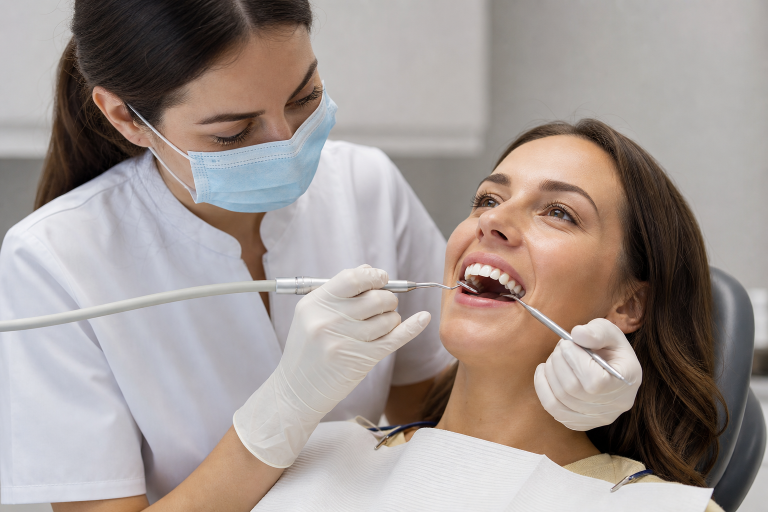
Helps Manage Persistent Bad Breath
Temporary bad breath can follow a meal or a dry mouth episode. Still, persistent bad breath may be related to plaque, bacteria on the tongue, gum problems, decay, or other oral issues. A professional cleaning can remove buildup that contributes to odor and help identify whether there is a dental cause. Daily tongue cleaning, drinking water, and cleaning between teeth can also support fresher breath between appointments.
Protects Existing Dental Work
Fillings, crowns, bridges, implants, retainers, dentures, and orthodontic appliances all need regular attention. Plaque can collect around restoration edges and appliances, where it may be harder to reach with a toothbrush. Routine cleanings allow the dental team to evaluate these areas, review home-care techniques, and identify wear or changes in fit. People with braces or clear aligners may need extra guidance because food and plaque can collect around attachments and wires.
Addresses Changing Needs Through Life
Oral care is not one-size-fits-all. Children need support as they learn to brush effectively, teens may need help managing braces and sports-related risks, and adults can face stress, grinding, or skipped routines. Older adults may experience dry mouth from medications, gum recession, limited hand mobility, or challenges caring for dentures. Regular visits create an opportunity to adjust recommendations as needs change.
Reinforces Better Daily Habits
A cleaning appointment can be a practical reset for home care. Most people benefit from brushing twice a day with fluoride toothpaste and flossing once a day. The American Dental Association recommends cleaning between teeth daily, using floss or another interdental cleaner that fits a person's needs and can be used consistently. Small changes, such as keeping floss beside a toothbrush or drinking water between meals, are often easier to sustain than an overly complicated routine.
Helps Avoid More Complicated Care
Preventive care cannot prevent every problem, especially when genetics, illness, injuries, medications, or long-standing dental conditions are involved. Still, routine cleanings and examinations can help address plaque buildup, early gum inflammation, and minor concerns before they progress. Delaying care until severe pain occurs can limit treatment options and make the experience more stressful. It is also important to contact a dental professional promptly if you experience facial swelling, fever, severe pain, or difficulty swallowing.
Supports Comfort And Confidence
A clean, healthy-feeling mouth can make it easier to smile, speak closely with others, and enjoy meals without worrying about discomfort or odor. Regular cleanings can also remove surface stains caused by coffee, tea, tobacco, and certain foods, although they are not the same as cosmetic whitening treatment. The lasting benefit is not simply a brighter appearance. It is the confidence that comes from giving your teeth and gums consistent attention.
Make Regular Cleaning Part Of Your Routine
The best dental cleaning schedule depends on your current oral health, history of cavities or gum disease, home-care habits, and other personal factors. Ask your dental professional how often you should be seen, then schedule the next visit before leaving the office. When combined with gentle brushing, daily interdental cleaning, smart food and drink choices, and attention to new symptoms, regular cleanings can help protect your oral health for years to come.
Conclusion
Regular teeth cleaning is an important part of maintaining oral health, but it works best alongside consistent brushing, daily interdental cleaning, and healthy everyday habits. Professional cleanings can remove plaque and tartar that are difficult to manage at home, while allowing dental professionals to identify early changes in the teeth and gums. Because cleaning needs can vary based on age, oral health history, medications, dental work, and other factors, there is no single schedule that works for everyone. By following a personalized preventive-care plan, addressing new symptoms promptly, and maintaining good home-care habits between appointments, individuals can support healthier teeth and gums and make dental care a consistent part of their long-term routine.

FOLLOW ME ON SOCIAL MEDIA


No comments:
Post a Comment
I love reading and responding to comments but in order to get my reply you must ensure you are NOT a no-reply blogger. If you are, here are some quick steps to change that!
1. Go to the home page of your Blogger account.
2. Select the drop down beside your name on the top right corner and choose Blogger Profile.
3. Select Edit Profile at the top right.
4. Select the Show My Email Address box.
5. Hit Save Profile.