

Key Takeaways
- A single-vehicle crash does not automatically establish driver fault.
- Other drivers, road hazards, vehicle defects, or medical events may contribute.
- Seek medical care and report qualifying crashes promptly.
- Preserve photos, video, vehicle evidence, and witness information.
- Keep organized records of medical care, expenses, repairs, and insurance communications.
- Review the full circumstances before accepting responsibility.
A single-vehicle accident can seem straightforward at first, especially when a car leaves the roadway or strikes a fixed object without making contact with another vehicle. However, the circumstances behind the crash may involve more than driver error. Road hazards, another motorist's actions, vehicle problems, weather conditions, or other factors can contribute to what appears to be a one-car collision. Understanding how these circumstances are evaluated can help drivers make informed decisions after an accident.
For Casselberry drivers dealing with injuries, vehicle damage, or questions about responsibility, documenting the scene and preserving relevant evidence can be important. Consulting a car accident lawyer Casselberryresidents may turn to can also provide guidance when another party may have contributed to the crash. Each accident is different, so fault depends on the specific facts, available evidence, and applicable Florida law.
Why Fault Is Not Automatic in a Single-Vehicle Crash
A crash involving only one vehicle is a description of the event, not a final conclusion about legal responsibility. A driver may have swerved to avoid a vehicle that crossed into their lane, a fallen object, an animal, or sudden debris. The other driver might continue away without stopping, leaving no physical contact between the vehicles.
Casselberry drivers can also encounter heavy rain, reduced visibility, busy intersections, construction activity, and changing traffic patterns. Those conditions do not automatically excuse a driver, but they may point investigators toward a wider explanation than inattention or speeding. A careful review should ask what created the emergency and whether the driver had a reasonable opportunity to avoid it.
Situations Where Another Party May Be Responsible
A Negligent Driver Who Did Not Make Contact
A motorist can contribute to a crash without ever striking the other vehicle. Examples include an unsafe lane change, running a red light, turning across traffic, tailgating, or forcing a driver off the road. These cases often depend on witness accounts, nearby video footage, dashcam recordings, and the timing of a 911 call.
Unsafe Road Conditions or Road Hazards
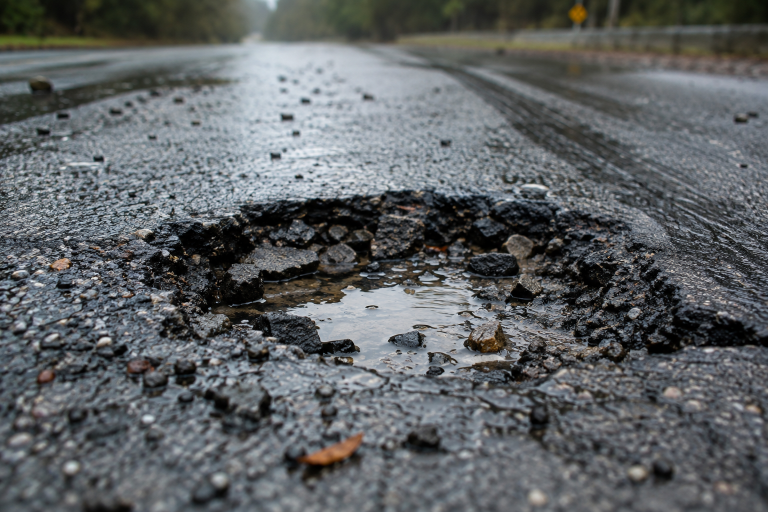
Potholes, loose gravel, standing water, missing signs, obscured markings, fallen branches, poorly managed work zones, and debris can create dangerous conditions. Responsibility may depend on who controlled the area, whether the condition was known or should have been discovered, and whether reasonable maintenance or warnings were provided. Claims involving public roads can involve special procedures and deadlines, so early documentation is especially important.
Vehicle Defects or Improper Repairs
A tire failure, steering problem, brake issue, airbag malfunction, or other mechanical defect may warrant closer investigation. Depending on the facts, responsibility could involve a manufacturer, repair facility, dealership, parts supplier, or another party that performed maintenance. Preserve the vehicle and damaged components whenever possible. Repairs, disposal, or salvage can remove evidence needed to determine why the vehicle failed.
Sudden Medical Emergencies
A truly sudden and unforeseeable medical event may affect how fault is evaluated. The question is usually not simply whether a driver became ill, but whether there was reason to anticipate the condition before driving. Medical records and a clear timeline can be important in these circumstances.
What to Do at the Crash Scene
Check for injuries, call 911 when help is needed, and move out of active traffic only if it is safe to do so. Florida law requires prompt notice to law enforcement when a crash causes injury, death, or apparent property damage of at least $2,000, as explained in the state's rules for reporting qualifying crashes.
If the vehicle struck unattended property, do not simply leave. Stop, make a reasonable effort to identify the owner, and notify law enforcement as required. Avoid arguments or statements such as "It was all my fault" while shaken or injured. You can accurately report what you saw, such as a vehicle entering your lane or debris appearing in the roadway, without guessing about speed, distance, or ultimate fault.
Medical Care and Insurance Benefits
Seek medical attention promptly if you have pain, dizziness, headache, numbness, confusion, or any other concerning symptoms. Some injuries become more noticeable after the stress of the crash fades. Follow the recommendations of qualified medical professionals and keep discharge papers, prescriptions, referrals, work restrictions, and receipts.
Florida's personal injury protection system may provide certain benefits through the injured person's own policy, even when fault is disputed. The statute generally requires that initial medical services and care be provided within 14 days of a motor vehicle accident for medical benefits to be available under PIP coverage, subject to the policy and statutory requirements. The state's personal injury protection provisions set out these benefit rules.
Evidence That Can Clarify Fault
Single-vehicle cases are often decided by details that disappear quickly. If you are physically able, take photographs and video of the vehicle, visible damage, debris, skid marks, road surfaces, lane markings, traffic signs, lighting, and weather conditions. Photograph the broader scene before the vehicle is moved or towed.
- Write down the time, location, direction of travel, and sequence of events.
- Get names and contact details for witnesses.
- Save dashcam files, phone photos, and relevant messages.
- Identify nearby homes, businesses, or intersections that may have cameras.
- Keep towing records, repair estimates, and the vehicle inspection report.
- Request that potential video owners preserve footage before it is overwritten.
Insurance Communications and Expenses
Report the crash to your insurer as required by your policy, but stay with the facts you know. Do not speculate about what caused the collision, minimize symptoms, or estimate repair costs before an inspection. If another vehicle forced you off the road, explain that clearly and provide any available identifying information, witness details, or video.
Create one file for every crash-related document. Include medical bills, explanations of benefits, pharmacy receipts, towing and storage charges, repair estimates, rental transportation costs, photographs, missed-work records, and a daily note of symptoms or activity limitations. These records can help establish both what happened and how the crash affected you.
Shared Fault and Important Next Steps
More than one factor can contribute to a collision. A driver may have reacted to another motorist's dangerous move but still face questions about speed, distraction, tire condition, or following too closely. Florida fault evaluations can consider the conduct of multiple people or entities, which makes a thorough investigation more useful than a quick assumption based solely on the number of vehicles involved.
Conclusion
After a Casselberry single-vehicle accident, focus on a calm sequence of steps: get medical care, report the crash, preserve the vehicle and evidence, document expenses, and review insurance communications carefully. A one-car crash may look straightforward from a distance, but the full story can show that another person, a defective product, or an unsafe condition played a meaningful role.

FOLLOW ME ON SOCIAL MEDIA


No comments:
Post a Comment
I love reading and responding to comments but in order to get my reply you must ensure you are NOT a no-reply blogger. If you are, here are some quick steps to change that!
1. Go to the home page of your Blogger account.
2. Select the drop down beside your name on the top right corner and choose Blogger Profile.
3. Select Edit Profile at the top right.
4. Select the Show My Email Address box.
5. Hit Save Profile.