

Key Takeaways
- Tooth loss can affect chewing, speech, bite, and confidence.
- Nearby teeth and jawbone may change over time.
- A dental evaluation can help identify suitable replacement options.
- Options include bridges, dentures, and dental implants.
- Implants are not suitable for everyone.
- Proper care and regular dental visits help maintain replacements.
Losing a tooth can change more than the appearance of a smile. For Tampa residents, it may affect everyday moments such as enjoying a Cuban sandwich, speaking clearly in a meeting, or feeling comfortable in photos at a family event. Understanding how do dental implants work Tampa, FL, can be useful, but implants are only one of several ways to address a missing tooth. Tooth loss can result from decay, gum disease, injury, or other oral-health concerns. The effects differ from person to person, depending on which tooth is missing, the condition of the gums and bone, and the person's bite. A prompt dental evaluation can help identify practical choices before changes become more involved.
Why Tooth Loss Matters Beyond Appearance
Teeth work as a coordinated system. They help guide biting, break down food, support speech, and distribute chewing pressure. A gap may be visible, but even a missing back tooth can influence function over time. The effects of tooth loss on diet, speech, self-esteem, and quality of life are recognized as public health concerns. Still, there is no one-size-fits-all response. Some people adapt well, while others notice functional changes quickly.
Early Changes After Losing a Tooth
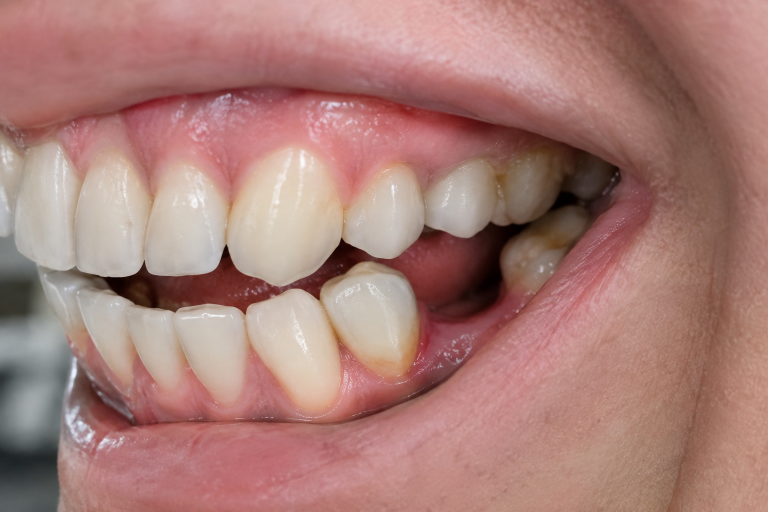
After an extraction, the gum tissue and socket need time to heal. In the months that follow, neighboring teeth may gradually lean or drift toward the open space. The tooth above or below the gap can also move because it no longer meets an opposing tooth during biting. These changes are often slow and may not hurt, which is why an early checkup can be worthwhile even when the space is not noticeable in a smile.
How Tooth Loss Can Affect Jawbone and Bite
Natural tooth roots transfer chewing forces into the jawbone. When a tooth is gone, the bone in that area may lose volume over time through a process called resorption. The pace and extent vary based on overall health, the tooth's location, gum condition, and how long the tooth has been missing. Shifting teeth can also alter how the upper and lower teeth meet, creating uneven pressure or making some areas harder to clean.
Changes in Eating, Speaking, and Confidence
A missing molar may make crunchy vegetables, steak, or other firm foods harder to chew evenly. A missing front tooth may be more noticeable during speech and smiling. For example, someone may begin chewing mostly on one side during meals at a Tampa restaurant because the other side feels less stable. Others experience a few immediate limitations. The important point is that oral-health needs should be assessed individually rather than assumed from the appearance of a gap alone.
Common Tooth Replacement Options
Several replacement options may be considered after a dentist reviews the teeth, gums, bite, and supporting bone:
- Dental bridges: Fixed restorations that span a gap and use nearby teeth for support. They are not removed at home, but supporting teeth usually need preparation.
- Partial dentures: Removable appliances that can replace one or several missing teeth. They require daily removal and cleaning.
- Complete dentures: Removable replacements for all teeth in an upper or lower arch.
- Dental implants: A replacement system that may include a post placed in the jaw, a connector, and a crown, bridge, or denture.
- Implant-supported dentures:Removable or fixed denture designs held more securely by implants.
During a consultation, helpful questions include whether the appliance is removable, how it will affect nearby teeth, what cleaning routine it needs, and what repairs or future replacement may be expected.
Where Dental Implants Fit
An implant can replace both the visible portion of a tooth and the root structure below the gum line. This can provide a stable foundation for a crown or help support a bridge or denture. However, implants require surgery, healing time, healthy tissues, sufficient support, and long-term maintenance. They are not automatically the best option for every person. Ongoing research on dental implant disease and oral tissue health also underscores the importance of inflammation control and regular professional care after treatment.
What a Dental Evaluation May Include
- Medical history: Discussion of health conditions, medications, tobacco use, allergies, and past dental care.
- Oral examination: Review of remaining teeth, gums, bite, inflammation, and signs of infection.
- Dental imaging: Appropriate images may help evaluate roots, bone, nerves, and nearby structures.
- Personal goals: Conversation about appearance, comfort, chewing needs, schedule, and budget.
- Treatment planning: A comparison of suitable options, treatment stages, and home-care requirements.
Only an in-person examination can determine whether a particular replacement option is appropriate.
Why Timing Can Shape Treatment Choices
Seeking advice soon after tooth loss does not mean treatment must begin immediately. Some situations need healing time, while others may require addressing infection or gum disease first. Still, early documentation of the teeth, bite, and bone can make planning clearer. Waiting may allow further shifting or bone changes, and some patients may later require additional procedures before replacement is possible.
Care After Tooth Replacement
Every replacement needs care. Brush twice daily, clean between natural teeth and around restorations as instructed, and attend regular dental visits. Removable appliances should be cleaned separately and stored as recommended. Bleeding, swelling, persistent soreness, looseness, breakage, or a change in the bite should be reported promptly. Tobacco use, uncontrolled diabetes, and nighttime grinding are also important topics to discuss with a dental professional.
Common Questions About Missing Teeth
Can a person leave a missing tooth alone?
Sometimes, but the answer depends on the tooth's position, bite, gum health, and long-term goals. A dentist can explain whether the space is likely to create concerns.
How soon should a missing tooth be replaced?
There is no universal timeline. Healing, bone support, infection, medical history, and the selected treatment all affect the schedule.
Are dental implants painful?
Implant placement is performed with anesthesia. Soreness can occur during healing, and the care team should explain expected recovery and pain-management instructions.
Can bone loss rule out implant treatment?
Not always. Bone loss may change the plan or require additional treatment, but suitability must be determined through an examination and imaging.
Which option costs the least?
Initial price matters, but maintenance, repairs, comfort, expected service life, and future treatment needs should also be part of the decision.
Conclusion
Tooth loss is both a function and an appearance concern. A missing tooth can affect how a person bites, chews, speaks, or feels about their smile, depending on the location and number of teeth involved. For people in Tampa, FL, a timely dental evaluation can clarify the likely effects of a gap and help compare replacement options based on oral health, daily routine, comfort, budget, and long-term goals. A dentist can also assess the surrounding teeth and gums and explain whether replacing the missing tooth may help support overall oral function. Understanding the available choices and their maintenance requirements can help patients make an informed decision that fits their individual needs.

FOLLOW ME ON SOCIAL MEDIA


No comments:
Post a Comment
I love reading and responding to comments but in order to get my reply you must ensure you are NOT a no-reply blogger. If you are, here are some quick steps to change that!
1. Go to the home page of your Blogger account.
2. Select the drop down beside your name on the top right corner and choose Blogger Profile.
3. Select Edit Profile at the top right.
4. Select the Show My Email Address box.
5. Hit Save Profile.