

Key Takeaways
- A written checklist turns a signed contract into a manageable sequence of deadlines and responsibilities.
- Dates should always come from the fully executed agreement, not assumptions or calendar estimates.
- Wyoming properties may require added review of access, easements, water, mineral interests, and rural utilities.
- Early document review and clear communication can prevent avoidable closing-week surprises.
- A complete post-closing file protects the transaction record after possession changes hands.
Table of Contents
- Why a Contract-to-Close Checklist Matters
- What to Do During the First 24 Hours
- How to Build the Transaction Timeline
- Documents to Collect and Review
- Property Checks That Deserve Extra Attention
- How to Keep Every Party Informed
- The Closing-Week Checklist
- Post-Closing File Management
- Common Mistakes That Cause Delays
- Frequently Asked Questions
- Conclusion
An accepted offer is the beginning of a new, detail-heavy phase of a real estate transaction. Buyers, sellers, agents, lenders, inspectors, and title professionals all have separate tasks, and a missed step can affect everyone. For practical support with the process, https://transactioncoordinator.com/real-estate-tc-in-wyoming/ provides an overview of transaction coordination for Wyoming real estate files.
A contract-to-close checklist gives the parties one dependable place to track what must happen next. It does not replace legal, lending, tax, or title advice, but it helps ensure that documents, questions, and deadlines are addressed before they become urgent.
Why A Contract-To-Close Checklist Matters
Without a shared tracker, an inspection report may sit unanswered while a lender waits for updated income documents and the title office waits for contract amendments. A checklist identifies the task, the responsible person, the due date, and the next follow-up date.
Brokerages and busy agents can also use closing coordination services to create a more consistent handoff between contract acceptance, document collection, and final file review. The goal is not more messages. It is clearer ownership of each next action.
What To Do During The First 24 Hours
The first day sets the tone for the transaction. Confirm that every party has the fully signed contract, then record the effective date, closing date, earnest-money instructions, and every contingency deadline. Send the agreement and relevant addenda to the lender and title or closing office when applicable.
- Verify names, email addresses, phone numbers, and preferred contacts.
- Create a secure folder for contracts, disclosures, reports, and notes.
- Confirm who will deliver earnest money and by what deadline.
- Schedule inspections, appraisal access, and any required property visits early.
How To Build The Transaction Timeline
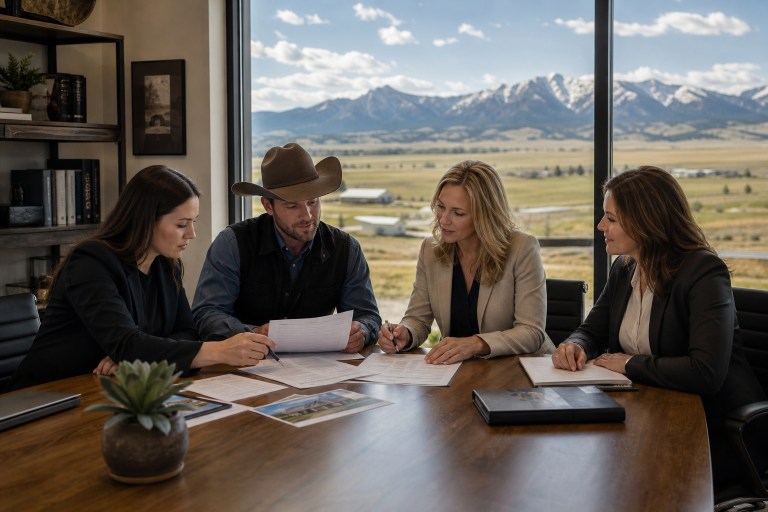
Copy deadlines directly from the signed agreement. A useful tracker lists the task, the responsible party, the contractual due date, the current status, and the follow-up date. Set reminders one or two business days before a deadline so a missing signature or incomplete form can be corrected in time.
- Earnest-money delivery and receipt confirmation
- Inspection deadlines, repair requests, and responses
- Appraisal order, access, and completion
- Loan approval milestones and insurance confirmation
- Title commitment, survey, and boundary review
- Final walkthrough, closing appointment, possession, and key transfer
Documents To Collect And Review
Contract Documents
Keep the purchase agreement, counteroffers, addenda, amendments, inspection notices, and repair agreements together. When terms change, update the timeline only after the change is confirmed in writing.
Property And Title Documents
Review the title commitment, legal description, recorded easements, restrictive covenants, survey information, homeowners association documents, and any applicable mineral or water-rights information. Wyoming licensees should also stay familiar with Wyoming real estate rules and regulations that affect brokerage practice and record handling.
Closing Documents
Before signing, organize settlement figures, loan documents, payoff information, the deed, receipts, and final approvals. Verify wire instructions through a trusted phone number already known to the parties or obtained independently, never only through a late-arriving email.
Property Checks That Deserve Extra Attention
A Wyoming city home, ranch, vacant parcel, cabin, and rural residence do not present the same issues. The contract and title work should clearly identify what is transferring and what obligations may continue after closing.
- Confirm whether mineral interests transfer with the surface estate.
- Clarify water rights, wells, irrigation arrangements, septic systems, and propane or fuel-tank details when relevant.
- Review recorded access, shared roads, maintenance arrangements, and easements.
- Ask about grazing leases, conservation restrictions, and other land-use agreements.
- Ensure the legal description in the contract matches the title records.
How To Keep Every Party Informed
Use concise written updates after major milestones. Each message should identify the property, state what changed, name the person responsible for the next step, and include a follow-up date. Keep open questions in one running list so they do not disappear into separate email threads.
The Closing-Week Checklist
Closing week should be for confirmation, not discovery. Check that loan conditions are satisfied, title objections are resolved or documented, repairs are complete, insurance is active, and the final walkthrough is scheduled. Buyers with financing should compare the figures carefully because lenders generally must provide a Closing Disclosurethree business days before the scheduled closing.
- Confirm the closing time, location, identification requirements, and funds due.
- Verify possession terms, utility transfers, keys, remotes, and access codes.
- Make sure every required signer understands what to bring.
Post-Closing File Management
When the keys are delivered, save the final signed contract, amendments, disclosures, settlement documents, receipts, and proof of delivery in the approved system. Mark completed obligations, noted unresolved escrow releases or warranty items, and removed unnecessary personal information from shared folders.
Common Mistakes That Cause Delays
- Using the offer date instead of the effective date.
- Relying on memory rather than a written deadline tracker.
- Waiting until closing week to raise title, repair, or financing questions.
- Assuming an inspection report automatically resolves repair negotiations.
- Overlooking access, water, mineral, or lease details on rural property.
- Accepting changed wire instructions without independent verification.
Frequently Asked Questions
When should the timeline be created?
Create it as soon as the agreement is fully signed. Early setup gives the team time to confirm dates and assign responsibility.
Who tracks the deadlines?
The contract controls the obligations, while the parties and their authorized professionals should confirm who handles each task. A shared tracker reduces assumptions.
Does every Wyoming property need the same review?
No. Property type, location, utilities, land use, title history, and financing can all change the scope of review.
What happens if a deadline is missed?
Notify the appropriate broker, lender, title representative, or attorney promptly. The contract may control the available options, so avoid making legal conclusions without qualified advice.
Conclusion
A strong contract-to-close process is simple but disciplined: record the dates, assign each task, confirm the details, and follow up before a small issue becomes a closing delay. That structure helps Wyoming real estate transactions move from accepted offer to organized closing with greater clarity for everyone involved.

FOLLOW ME ON SOCIAL MEDIA


No comments:
Post a Comment
I love reading and responding to comments but in order to get my reply you must ensure you are NOT a no-reply blogger. If you are, here are some quick steps to change that!
1. Go to the home page of your Blogger account.
2. Select the drop down beside your name on the top right corner and choose Blogger Profile.
3. Select Edit Profile at the top right.
4. Select the Show My Email Address box.
5. Hit Save Profile.