

Key Takeaways:
- Millennials are delaying homeownership, with the average age of first-time buyers reaching 40.
- High mortgage rates and economic uncertainty are prompting buyers to reassess their purchasing decisions.
- There's a growing demand for smart homes and energy-efficient features.
- Remote work is influencing buyers to prioritize space and suburban living.
- Sustainability and eco-friendly designs are becoming key factors in the selection of homes.
Introduction
The landscape of home buying and real estate is shifting rapidly as prospective homeowners weigh new priorities. Factors such as rising costs, evolving technology, and growing environmental awareness are reshaping how and where people choose to live. For those navigating these changes, the guidance of Salem, UT real estate experts Bybee + Co Realty LLC can be invaluable in making informed property decisions in this dynamic market.
The interplay between market forces and shifting buyer preferences is creating both challenges and opportunities. Homebuyers are more informed than ever, leveraging digital resources to set their criteria and expectations. As a result, real estate professionals must adapt to address new desires for flexibility, connectivity, and long-term value in residential spaces.
As trends continue to evolve, understanding the underlying causes is essential for anyone considering a real estate transaction. Whether you're selling, buying, or investing, staying ahead of these changes can help you make more strategic choices.
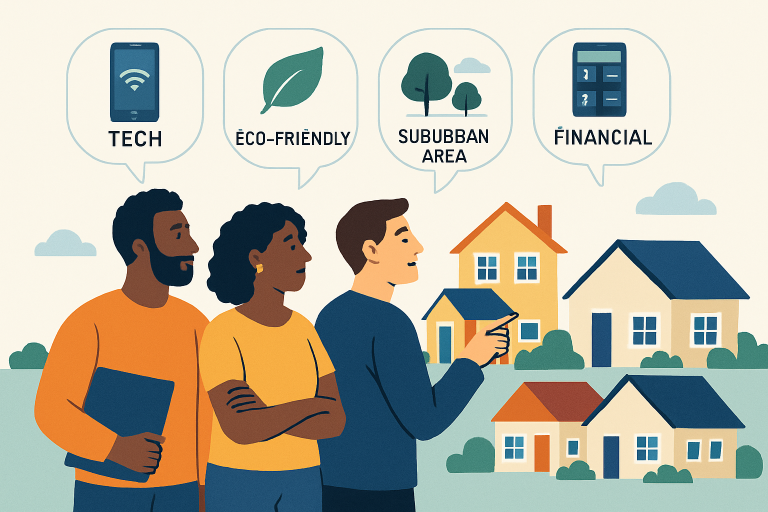
Millennials Delaying Homeownership
Millennials, the largest generation in the current population, are dramatically influencing real estate trends by postponing their first home purchases. In major cities such as Phoenix, the average age for first-time homebuyers now stands at 40, a significant increase compared to previous generations. Soaring housing prices, coupled with rising student debt and concerns about economic stability, have prompted this demographic to reassess the timing and even the necessity of homeownership.
Many millennials are gravitating towards high-end rental living, such as luxury apartments and built-to-rent communities, which provide resort-style amenities and eliminate the responsibilities of property upkeep.
Impact of High Mortgage Rates
One of the most significant barriers to entry for today's prospective buyers is the persistent rise in mortgage rates. Amid high inflation and fluctuating economic conditions, many would-be homeowners face substantial uncertainty regarding the affordability of a mortgage. According to a recent Bank of America survey, 60% of respondents expressed doubt that it was a good time to enter the housing market. This sentiment reflects growing anxiety over unpredictable interest rates and soaring home prices.
The result is a more cautious, deliberate approach to homebuying. Potential buyers are holding out for better rates or are increasingly willing to rent until conditions improve. This phenomenon has led to a slower start for several recent spring buying seasons, with inventory often outpacing demand in various regions nationwide.
Demand for Smart Homes and Energy Efficiency
Technology is becoming an indispensable part of the modern home. Innovative buyers, particularly younger ones, expect properties to feature smart solutions, such as automated lighting, integrated security systems, and energy-efficient appliances. In fact, more than 60% of home shoppers now indicate a preference for homes outfitted with these state-of-the-art functionalities. Many buyers are willing to pay a premium for these features, recognizing the convenience, security, and cost savings that come with a connected home.
This shift is having a direct impact on real estate markets. Builders and sellers are increasingly investing in upgrades and retrofits that position homes as “move-in ready” for technology-forward families.
Remote Work Influencing Housing Preferences
The rise of remote and hybrid work arrangements is another transformative force in the housing sector. With many employees no longer tied to specific physical offices, buyer priorities have shifted beyond the traditional need for proximity to urban job centers. Instead, homebuyers are increasingly searching for properties that offer more space, access to nature, robust internet connectivity, and enriching amenities.
This has led to a shift toward suburban and vacation-oriented communities, where families can enjoy the benefits of spaciousness and a more relaxed lifestyle. Markets that once lagged in price growth—such as exurbs and rural destinations—are now experiencing surges in demand as individuals seek flexibility, comfort, and the ability to balance productivity with leisure.
Sustainability and Eco-Friendly Designs
Sustainability is no longer just a buzzword—it's a core decision driver for many homebuyers, particularly among younger generations. Environmental awareness has sparked a growing interest in green building techniques, energy-efficient utilities, and sustainable landscaping. Homes equipped with solar panels, advanced insulation, rainwater harvesting systems, and eco-friendly construction materials are more attractive than ever before.
Green-certified homes not only benefit the environment but can also lead to significant savings on utility bills over time. As climate-related events and regulatory changes intensify, buyers are prioritizing sustainability to future-proof their investments and reduce their carbon footprint.
Final Thoughts
The real estate market is undergoing remarkable changes as buyers adapt to new economic, technological, and environmental realities. Millennials are waiting longer to buy; economic headwinds, such as high mortgage rates, are reshaping demand, and buyers across generations are demanding smarter, greener, and more flexible living spaces. For industry professionals and consumers alike, understanding these priorities is crucial for success in the evolving housing landscape.

FOLLOW ME ON SOCIAL MEDIA


No comments:
Post a Comment
I love reading and responding to comments but in order to get my reply you must ensure you are NOT a no-reply blogger. If you are, here are some quick steps to change that!
1. Go to the home page of your Blogger account.
2. Select the drop down beside your name on the top right corner and choose Blogger Profile.
3. Select Edit Profile at the top right.
4. Select the Show My Email Address box.
5. Hit Save Profile.