

Key Takeaways
- Switching to energy-efficient water heaters can substantially lower your monthly utility bills.
- Heat pump, tankless, and solar water heating systems represent the most efficient technologies.
- Local, state, and federal financial incentives are widely available and can offset installation costs.
- Routine maintenance is crucial to optimizing your water heater’s performance and extending its lifespan.
For homeowners and renters alike, finding ways to trim monthly expenses is always a priority. One often-overlooked area of potential savings is the water heater. An upgrade to energy-efficient water heating solutions doesn't just lower your monthly energy use—it can deliver real reductions in your ongoing utility bills while helping protect the environment. If you’re considering a home improvement project, exploring water heater installation in Toronto is a smart step toward an energy-wise household.
Many households rely on aging, inefficient water heaters that consume more power than necessary, leading to higher costs with every shower, load of laundry, or dishwashing cycle. Fortunately, advancements in water heating technology offer a path to significant and lasting savings. By embracing newer, more efficient models and adopting best practices, you can reduce both your financial and environmental footprint.
Understanding Energy-Efficient Water Heaters
Traditional tank-style water heaters operate by continuously heating a large tank of water, resulting in significant energy loss as heat escapes or when hot water remains unused. Energy-efficient water heaters utilize modern technologies designed to minimize wasted energy and only use what’s necessary for your household’s needs. For example, heat pump water heaters can be more than three times as efficient as standard electric models, helping families save over $400 a year. These systems work by drawing warmth from the surrounding air to heat the water, offering a highly effective alternative to conventional methods. According to the U.S. Department of Energy, making the switch can result in a significant reduction in household energy usage.
In addition to reducing energy consumption, energy-efficient water heaters often provide faster recovery times, more consistent temperatures, and require less maintenance overall. With rising energy costs and growing awareness of environmental concerns, this investment can yield significant returns over the appliance's lifetime.
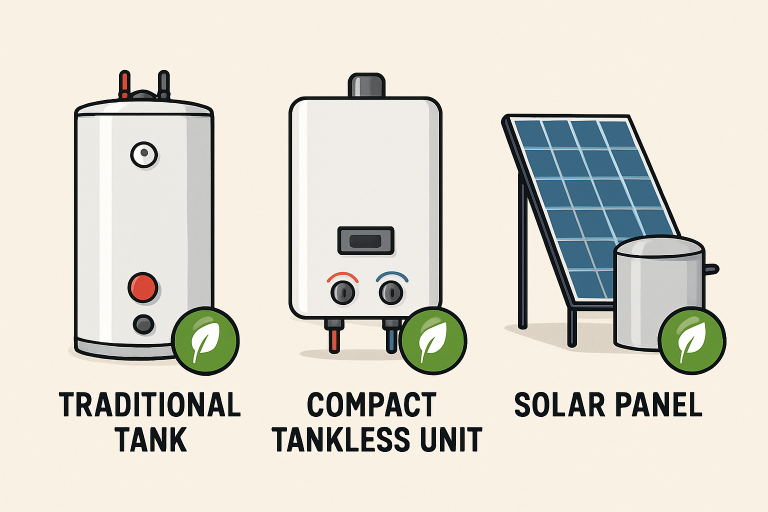
Types of Energy-Efficient Water Heaters
- Heat Pump Water Heaters (HPWHs): HPWHs transfer ambient heat into the water tank, operating most efficiently in moderate to warm environments and offering efficiency gains far superior to traditional electric water heaters.
- Tankless Water Heaters: With no standing reservoir, tankless models heat water instantly as needed, slashing standby losses and providing endless hot water on demand.
- Solar Water Heaters: Using solar panels or thermal collectors, these systems harness free, renewable solar energy, dramatically reducing a home’s reliance on grid electricity or natural gas for hot water.
Financial Incentives and Rebates
The challenge for many homeowners is the initial investment. Fortunately, government programs and utility companies offer a variety of incentives to encourage energy-efficient upgrades. For instance, residents in San Francisco can receive up to $1,200 in bill credits when switching to a heat pump water heater. In contrast, federal tax credits and state-level rebates are widely available to help further reduce costs. These incentives can make energy-smart water heater replacements more affordable than many realize. Find more information about current programs on the EPA’s official rebate hub.
Maintenance Tips for Optimal Efficiency
Even the most advanced water heating technology relies on proper maintenance to operate efficiently. Simple steps, such as insulating your heater’s tank and hot water pipes, lowering the thermostat to the recommended 120°F, and flushing the tank annually to remove sediment, can extend equipment life and ensure optimal performance. Not only do these practices protect your investment, but they also help you realize the maximum possible savings each month.
- Insulate the Tank: This reduces standby heat losses by up to 25% and can result in annual savings of 7–16% in water heating costs.
- Lower the Thermostat: Dropping the setpoint by just 10°F can reduce your energy bills by 3–5%.
- Flush the Tank: Sediment buildup can cause corrosion and reduce efficiency, so flushing it out annually is crucial for optimal longevity.
Government Regulations and Standards
Efficiency standards continue to rise across North America, making it easier for consumers to choose high-performing products. The U.S. Department of Energy, for example, has enacted new efficiency standards for residential water heaters, requiring the most popular electric models to adopt efficient heat pump technology in the coming years. These new rules are expected to save Americans nearly $7.6 billion annually and reduce hundreds of millions of tons of carbon emissions, according to a report from The New York Times.
Environmental Impact
Switching to an energy-efficient water heater reduces your home's carbon footprint by consuming less electricity or gas. With water heaters accounting for approximately 18% of residential energy use in the U.S., this change can have a broader environmental impact. New water heater standards are expected to avert over 330 million metric tons of carbon dioxide emissions over three decades, making this a practical way for individuals to contribute to climate change mitigation.
Conclusion
By investing in energy-efficient water heating solutions, you’re not only reducing your household utility bills but also making a positive impact on the planet. Modern technologies, along with a growing array of financial incentives, make now a better time than ever to upgrade. With routine maintenance and mindful usage, it’s possible to enjoy both comfort and significant savings in your home for years to come.

FOLLOW ME ON SOCIAL MEDIA


No comments:
Post a Comment
I love reading and responding to comments but in order to get my reply you must ensure you are NOT a no-reply blogger. If you are, here are some quick steps to change that!
1. Go to the home page of your Blogger account.
2. Select the drop down beside your name on the top right corner and choose Blogger Profile.
3. Select Edit Profile at the top right.
4. Select the Show My Email Address box.
5. Hit Save Profile.