

Key Takeaways
- Light metaphors serve as powerful symbols of hope and resilience across various cultures and disciplines.
- These metaphors are prevalent in literature, psychology, and everyday language, offering comfort and guidance during challenging times.
- Understanding and utilizing light metaphors can enhance personal growth and inspire others.
Table of Contents
- Introduction
- Light Metaphors in Literature
- Psychological Impact of Light Metaphors
- Cultural Significance of Light Symbolism
- Light Metaphors in Everyday Language
- Real-Life Examples of Light as Hope
- Incorporating Light Metaphors into Personal Growth
- Conclusion
Throughout generations and across cultures, the imagery of light has served as a beacon of hope, truth, and renewal. Whether found in ancient texts or in the language of modern society, metaphors that reference light offer insight and encouragement in life's darkest moments. In times of uncertainty or struggle, many are drawn to the promise that even the smallest glimmer can dispel the shadow of despair. The phrase Jesus is the light of the world reflects one of the most deeply rooted and redemptive light metaphors in Christian tradition, pointing to guidance that never fades.
When considering what fuels our endurance, the presence of light in both physical and metaphorical senses reminds us that darkness is neither absolute nor final. It is no surprise, then, that writers, psychologists, and everyday people consistently turn to light-based language to articulate hope and resilience. This article explores the universal appeal and practical influence of light metaphors on the journey of perseverance and growth.
Light Metaphors in Literature
From the earliest recorded stories, authors have woven light metaphors into the fabric of their narratives to symbolize everything from divine intervention to inner transformation. For example, in Shakespeare's "A Midsummer Night’s Dream," moonlight guides the lost, while Dickens’ “A Tale of Two Cities” contrasts shadow and light to articulate the struggle between despair and redemption. Poets like Emily Dickinson have penned verses such as “Hope is the thing with feathers that perches in the soul and sings the tune without the words—and never stops at all,” employing imagery that invites the human spirit to rise above hardship.
Such literary motifs remind readers that clarity can emerge after confusion, and that faith points towards brighter chapters. The recurrence of light as a motif in fiction and poetry underscores its power to convey themes of deliverance, perseverance, and new beginnings.
Psychological Impact of Light Metaphors
Modern psychological research has demonstrated the remarkable impact of language on our thought patterns and emotional resilience. Common expressions such as “seeing the light at the end of the tunnel” or “casting light on a problem” are not just figures of speech; they provide cognitive framing that helps one reclaim hope and maintain perspective during difficult seasons. In fact, a study featured in the Journal of Positive Psychology found that people who frequently engaged with uplifting metaphors, particularly those involving light, reported increased mental well-being and a greater sense of purpose.
Cultural Significance of Light Symbolism
The metaphor of light is not confined to one narrative or tradition. Across civilizations, festivals and holidays celebrate the triumph of light over darkness. For example, the Jewish festival of Hanukkah and India’s Diwali both mark moments in history when perseverance triumphed, and light prevailed. These traditions serve as annual reminders that resilience is worth celebrating, and they shape community identity around values of hope, truth, and grace.
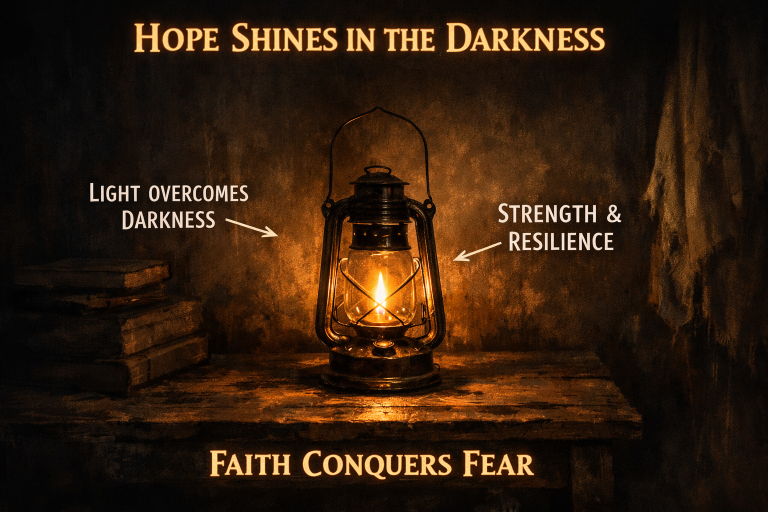
In addition, many biblical accounts use the symbol of light to affirm that God’s presence brings both wisdom and comfort. The representation of divine light reinforces the understanding that guidance is always available to those who seek it. For an insightful look at these recurring motifs in biblical teaching, visit the resource provided by Bible Gateway’s guide to light in scripture.
Light Metaphors in Everyday Language
Light metaphors routinely surface in daily conversation. From calling someone a “guiding light” to referring to a promising future as “bright,” we harness these phrases to inspire ourselves and others. When someone speaks of a “glimmer of hope,” the visual and emotional association is immediate and comforting. Even the smallest encouragement can illuminate the path for a friend, student, or loved one, which is why these metaphors find a natural home in discussions about education, parenting, and discipleship.
Real-Life Examples of Light as Hope
Countless news stories and personal testimonies highlight light as a symbol of courage and perseverance. During times of crisis, such as the global pandemic, healthcare professionals and volunteers were frequently described as “beacons of hope.” Their unwavering service, often undertaken during prolonged uncertainty, gave comfort to many and reminded the world that hope can persist even when circumstances are difficult. Beyond dramatic events, acts of kindness—a meal delivered, a thoughtful note, or a word of encouragement—often embody the metaphor of light shining in darkness.
Incorporating Light Metaphors into Personal Growth
Integrating light metaphors into one’s own journey can bring both meaning and motivation. Setting goals with phrases like “lighting the way” or embracing the role of a “light in the darkness” reinforces the conviction that our actions matter. In faith-based discipleship, this can mean guiding others through challenges with gentleness and wisdom, providing tangible hope by both word and deed. In personal growth, visualizing a “bright path ahead” fosters confidence and reinforces the belief that new opportunities are possible, even after setbacks.
Conclusion
Light metaphors have endured for centuries because they resonate deeply with our experience of adversity, growth, and restoration. Through literature, psychological insight, cultural tradition, and daily language, light continues to articulate the hopeful truth that wisdom, grace, and resilience are always within reach. When we understand and apply these metaphors, we not only find encouragement for ourselves but may also become a source of guidance and hope for those around us.

FOLLOW ME ON SOCIAL MEDIA


No comments:
Post a Comment
I love reading and responding to comments but in order to get my reply you must ensure you are NOT a no-reply blogger. If you are, here are some quick steps to change that!
1. Go to the home page of your Blogger account.
2. Select the drop down beside your name on the top right corner and choose Blogger Profile.
3. Select Edit Profile at the top right.
4. Select the Show My Email Address box.
5. Hit Save Profile.