

Understanding the Landscape of Specialized Medical Treatments
 Our journey through healthcare is becoming increasingly complex. As medical science advances, so does the need for focused expertise. No single doctor can master every aspect of human health. This is where specialized medical treatments play a crucial role. They offer deep knowledge and advanced techniques for specific conditions, leading to better patient outcomes and a higher quality of life.
We will explore specialized medical treatments. We'll look at how they differ from general care and trace their fascinating history. We will also examine their various categories, discover innovative non-surgical options, and learn how patients access these vital services. Our goal is to understand how these focused approaches are continually advancing patient care.

When we talk about medical specialties, we're referring to distinct branches of medical practice that concentrate on specific patient groups, diseases, skills, or philosophies of care. This focus sets them apart from primary care, which provides a broad range of prevention, wellness, and treatment services for common illnesses. Primary care providers, often our first point of contact in the healthcare system, maintain long-term relationships with patients, offering general advice and managing a wide array of health concerns. In contrast, specialists delve deeply into particular areas, becoming experts in complex conditions that require advanced knowledge and techniques.
The concept of medical specialization isn't new; its roots can be traced back to ancient Roman physicians, as noted by Galen. However, it was in the 19th century, particularly in places like Paris, that medical specialization began to evolve into the formalized structure we recognize today. This era saw the gradual professionalization of medicine, leading to dedicated training pathways for specific fields. This historical progression underscores a fundamental truth: as medical knowledge expanded, a generalist approach became insufficient to address the growing complexity of human diseases and conditions.
Today, specialization allows medical professionals to develop unparalleled expertise. Whether it’s focusing on a particular organ system, a specific demographic, or a unique set of medical procedures, specialists offer a level of precision and insight that is crucial for effective treatment. For instance, managing chronic conditions like persistent back pain often requires a highly focused approach. Patients seeking relief from long-standing discomfort might benefit from consulting experts in specialized pain treatments, who can offer targeted therapies and interventions beyond the scope of general practice.
The Evolution and History of Medical Specialization
The journey from general medicine to a highly specialized field is a fascinating one, marked by continuous innovation and the accumulation of knowledge. Early medical practitioners, like those in Roman times, might have had rudimentary specializations. However, the formal emergence of medical specialties truly took hold in the 19th century. This period saw a shift from general practitioners treating all ailments to physicians dedicating their practice to specific areas. This was driven by scientific discoveries, technological advancements, and the recognition that deeper expertise could lead to better outcomes.
The professionalization of medicine in the 19th and 20th centuries solidified this trend. Medical education became more structured, leading to the development of residency training programs. After completing medical school, aspiring specialists would undergo several years of intensive, hands-on training in their chosen field. This rigorous process culminates in board certification, a testament to a physician's expertise and commitment to the highest standards of care in their specialty. The growth of subspecialties further refined this model, allowing physicians to focus on even narrower areas within a broader specialty, such as pediatric cardiology within pediatrics. Globally, healthcare systems have adopted similar standards, ensuring that specialized training meets international benchmarks for quality and competence.
Classification Systems in Modern Medicine
Modern medical specialties are classified in various ways, reflecting the multifaceted nature of healthcare. These classification systems help us understand the scope and focus of each specialty, guiding both medical professionals in their training and patients in seeking appropriate care.
One primary axis of classification is by organ-based or technique-based focus. For example, cardiology is organ-based, concentrating on the heart, while radiology is technique-based, focusing on imaging methods. Another distinction is between diagnostic and therapeutic specialties. Diagnostic fields, like pathology, are primarily concerned with identifying diseases, while therapeutic specialties, such as oncology, focus on treating them.
Specialties can also be categorized by the age group of patients they serve. Pediatrics, for instance, is dedicated to the health of children, while geriatric medicine focuses on the elderly. Perhaps one of the most historically significant classifications is the division between surgical and internal medicine specialties. Surgical specialties involve invasive procedures to treat conditions, whereas internal medicine specialties typically rely on non-invasive methods like medication management.
Here's a simplified overview of these classification axes:
- Organ/System-Based: Focuses on specific body parts or systems (e.g., Cardiology for the heart, Nephrology for kidneys, Pulmonology for lungs).
- Technique-Based: Defined by the methods or tools used (e.g., Radiology for imaging, Anesthesiology for pain management during surgery).
- Diagnostic vs. Therapeutic:Diagnostic specialties identify diseases (e.g., Pathology), while therapeutic ones treat them (e.g., Oncology).
- Age Group: Specializes in patients of a particular age range (e.g., Pediatrics for children, Geriatrics for the elderly).
- Surgical vs. Internal Medicine:Surgical fields perform operations (e.g., Orthopedics), while internal medicine fields manage conditions without surgery (e.g., Endocrinology).
Understanding these classifications helps us appreciate the vast and intricate network of specialized care available today.
Core Categories of Specialized Medical Treatments
The realm of specialized medical treatments is vast, encompassing a multitude of disciplines designed to address specific health challenges. These can broadly be categorized into surgical and internal medicine specialties, with further distinctions based on age groups and the crucial support provided by diagnostic fields. Each category plays a vital role in delivering comprehensive and effective healthcare.
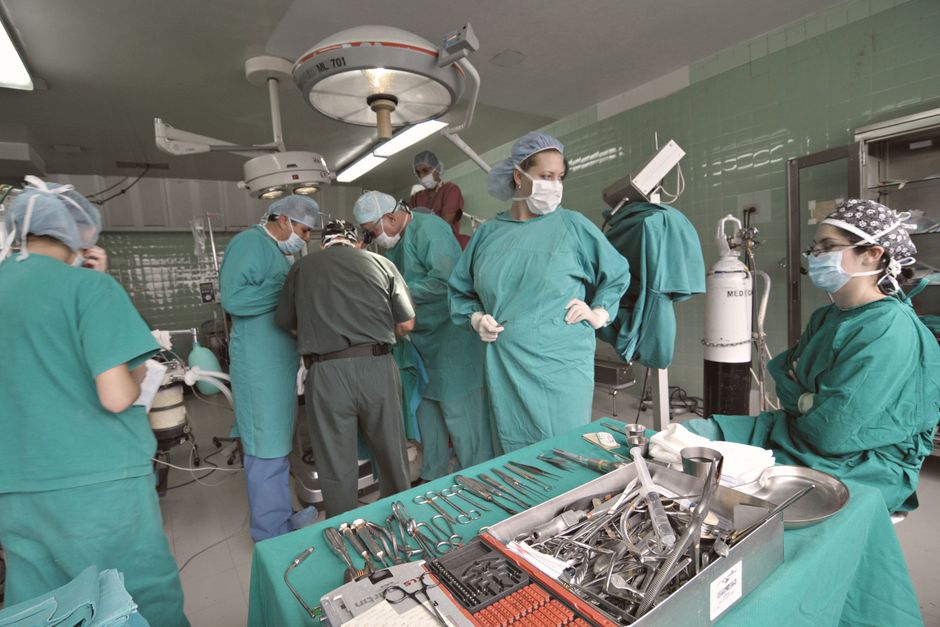
When considering the full spectrum of specialized care, it's important to recognize that many conditions require a multidisciplinary approach. For instance, complex reconstructive procedures, such as those involved in Dr. Okoro's specialized mommy makeover healing, integrate surgical expertise with a deep understanding of patient recovery and aesthetic outcomes. This highlights how even highly specific treatments often draw upon broader categories of medical knowledge.
Surgical vs. Internal Medicine Specialties
The distinction between surgical and internal medicine specialties is one of the most fundamental in healthcare. Surgical specialties are characterized by their use of invasive procedures to diagnose, treat, or repair conditions within the body. These disciplines require immense precision, extensive anatomical knowledge, and highly developed technical skills. Examples include Orthopedics (focused on bones, joints, and muscles), Neurosurgery (brain and nervous system), Cardiology (heart surgery), and Plastic Surgery (reconstruction and aesthetic enhancement). Surgeons often intervene in acute situations, such as trauma, or to correct chronic issues that require physical alteration.
Internal medicine specialties, on the other hand, primarily focus on non-invasive approaches, relying heavily on medication-based management, lifestyle interventions, and advanced diagnostic techniques. These specialists often manage complex, chronic conditions that affect internal organs or systems. Key internal medicine specialties include Cardiology (managing heart conditions without surgery, e.g., arrhythmias, heart failure), Gastroenterology (digestive system), Nephrology (kidney diseases), Oncology (cancer treatment, often with chemotherapy, immunotherapy, and radiation), and Neurology (brain, spinal cord, and nerve disorders). These physicians develop long-term relationships with patients, monitoring disease progression and adjusting treatment plans over time.
While their approaches differ, surgical and internal medicine specialists frequently collaborate. An oncologist might refer a patient for surgical tumor removal, or a cardiologist might consult with a cardiac surgeon for a patient requiring bypass surgery. This interdisciplinary teamwork is a cornerstone of modern specialized care.
Pediatric vs. Adult Specialized Medical Treatments
The human body changes dramatically from birth through old age, and so do its medical needs. This necessitates distinct specialized medical treatments for pediatric and adult populations.
Pediatric specialties cater to infants, children, and adolescents. Their focus extends beyond treating diseases to understanding developmental milestones, managing congenital conditions (those present from birth), and addressing growth-related pathologies. Pediatric specialists, such as neonatologists (newborn care), pediatric cardiologists, or pediatric oncologists, are not only experts in childhood diseases but also skilled in communicating with children and their families. They consider the unique physiological differences of growing bodies, including age-appropriate dosing for medications and the psychological impact of illness on young patients. Family-centered care is paramount in pediatric medicine, involving parents and guardians in every step of the treatment process.
Adult specialties, by contrast, address the health concerns of mature individuals. While many adult specialties mirror pediatric ones (e.g., adult cardiology vs. pediatric cardiology), they focus on conditions prevalent in adulthood, such as degenerative diseases, lifestyle-related illnesses, and the complexities of aging. Geriatric medicine is a specific adult specialty dedicated to the unique health needs of older adults, often managing multiple chronic conditions and focusing on maintaining functional independence and quality of life. The diagnostic and therapeutic approaches are tailored to the adult physiology, considering factors like organ function, medication interactions, and long-term health trajectories.
The Critical Role of Diagnostic Specialties
Behind every effective treatment plan lies an accurate diagnosis. This is where diagnostic specialties play a truly critical and often unsung role in healthcare. These fields are the bedrock upon which all other specialized medical treatments are built, providing the essential information needed to understand a patient's condition.
Radiology is a prime example, utilizing various imaging technologies like X-rays, CT scans, MRI, and ultrasound to visualize internal body structures. Radiologists interpret these images to detect abnormalities, assess injuries, and monitor disease progression. Their expertise allows other specialists to pinpoint the exact location and nature of a problem without invasive exploration.
Pathology is another cornerstone diagnostic specialty. Pathologists analyze tissue samples (biopsies), bodily fluids, and cells under a microscope to identify diseases, especially cancers, infections, and inflammatory conditions. Their detailed reports guide oncologists, surgeons, and other physicians in making precise treatment decisions. Laboratory medicine, closely related to pathology, encompasses a wide range of tests performed on blood, urine, and other samples to provide crucial data on organ function, hormone levels, and genetic markers.
Other vital diagnostic fields include Nuclear Medicine, which uses small amounts of radioactive materials to diagnose and treat diseases, and Interventional Radiology, where imaging guidance is used to perform minimally invasive diagnostic procedures like biopsies or therapeutic interventions. Together, these diagnostic specialties ensure that healthcare providers have the most accurate and comprehensive picture of a patient's health, leading to more precise diagnoses and, ultimately, more effective specialized medical treatments.
Non-Surgical Innovations and Specialized Medical Treatments
The landscape of specialized medical treatments is continually evolving, with a significant trend towards less invasive, non-surgical interventions. These innovations aim to achieve therapeutic outcomes with reduced patient discomfort, shorter recovery times, and fewer risks associated with traditional surgery. Non-surgical procedures encompass a broad spectrum, from advanced therapeutic techniques to sophisticated diagnostic tools and even cosmetic enhancements.
These procedures are often grouped into several broad classes, including therapeutic, diagnostic, allied health (rehabilitation), cosmetic, and propaedeutic (physical examination). Each plays a distinct role in modern healthcare, offering alternatives or complements to surgical interventions.
Advanced Non-Surgical Procedures
The advancements in non-surgical medical procedures have revolutionized how many conditions are managed. Therapeutic procedures include a range of treatments designed to cure or alleviate symptoms without an incision. For instance, radiation therapy uses high-energy rays to destroy cancer cells, often delivered with extreme precision through techniques like stereotactic body radiotherapy (SBRT), which can target tumors with minimal impact on surrounding healthy tissue. Another example is brachytherapy, where radioactive sources are placed directly inside or next to the tumor.
Physical therapy and other allied health treatments, like occupational therapy and speech pathology, are crucial for rehabilitation, helping patients regain function and mobility after injury, illness, or surgery. These are often long-term specialized treatments.
Diagnostic procedures have also become incredibly sophisticated. Endoscopy, for example, allows physicians to visualize internal organs using a flexible tube with a camera, enabling both diagnosis (e.g., biopsy) and minimally invasive treatment (e.g., polyp removal). Angiograms use X-rays to visualize blood vessels, while electrographs like ECGs and EEGs measure electrical activity in the heart and brain, respectively. Advanced scans such as PET and SPECT scans provide functional information about organs and tissues.
Beyond these, innovative treatments like Pharmacogenomics are emerging, which studies how a person's genes affect their response to drugs, allowing for personalized medication choices. Hyperbaric oxygen therapy is another specialized non-surgical treatment that dramatically increases blood oxygen levels to promote healing for certain wounds and infections. These diverse non-surgical approaches underscore the breadth of specialized medical treatments available today.
Emerging Models in Specialty Care
The healthcare system is continuously seeking ways to improve the delivery and effectiveness of specialized care, particularly through models that emphasize value and patient-centeredness. The CMS Innovation Center in the United States plays a pivotal role in this evolution, testing various alternative payment models designed to enhance quality while controlling costs.
These emerging models often prioritize value-based care, shifting the focus from the volume of services provided to the health outcomes achieved. A key component of this is fostering person-centered models, which recognize that effective care must consider an individual's unique circumstances, including their social needs and lifestyle factors, not just their medical conditions.
Coordinated specialty care is central to these new models. Research consistently suggests that effective coordination between primary care providers and specialists leads to better health outcomes. This means ensuring seamless communication, shared treatment plans, and a holistic understanding of the patient's journey. In some innovative models, specialists might even serve as care coordinators, especially for patients who interact more frequently with them due to chronic or complex conditions.
The integration of specialized medical equipment and technology also supports these models, enabling more precise diagnoses and advanced treatments in various settings. These efforts by organizations like CMS aim to create a more efficient, integrated, and ultimately more effective healthcare system for specialized medical treatments.
Navigating Access and Coordination in Specialty Healthcare
Accessing specialized medical treatments can sometimes feel like navigating a complex maze. However, understanding the pathways to specialty care and the importance of coordination can significantly improve a patient's experience and outcomes. Effective healthcare hinges on seamless transitions and clear communication between different providers.
The journey often begins with care coordination, which is the organized management of an individual's care across multiple healthcare providers. This ensures that all aspects of a patient's health are considered, leading to integrated treatment plans.
Training and Certification for Specialists
Becoming a medical specialist is a demanding and rigorous journey, reflecting the profound depth of knowledge and skill required in these fields. After completing medical school, aspiring physicians embark on a multi-year residency program in their chosen specialty. This intensive, hands-on training typically lasts between three to seven years, depending on the field. During residency, doctors gain practical experience, refine their diagnostic abilities, and master specialized treatment techniques under the supervision of experienced attending physicians.
Many specialists then pursue additional training through fellowship programs, which allow them to subspecialize in an even narrower area (e.g., a cardiology fellowship after an internal medicine residency). This entire process culminates in board eligibility and, eventually, board certification, which signifies that a physician has met the highest standards of expertise in their specialty.
The extensive training ensures that specialists are equipped to handle complex cases and utilize advanced medical technologies. This dedication to continuous learning is also reflected in requirements for continuing medical education (CME), which keeps specialists updated on the latest advancements in their fields. The "Specialty Profiles" highlight that there are over 200 recognized specialties and subspecialties in the United States alone, each with specific training requirements, workforce data, and salary trends, indicating the vast and diverse career paths available within specialized medicine.
The Importance of Care Coordination
Effective care coordination is not merely a logistical convenience; it is a fundamental pillar of high-quality specialized medical treatments. Without it, patients with complex conditions can experience fragmented care, leading to poorer outcomes, duplicated tests, and increased stress.
The core of care coordination lies in inter-provider communication. When primary care providers (PCPs) and specialists communicate effectively, they can ensure that a patient's treatment plan is holistic and consistent. This is particularly crucial for chronic disease management, where conditions like diabetes or heart disease require ongoing monitoring and adjustments from multiple specialists. For example, a patient with diabetes might need an endocrinologist for blood sugar management, a nephrologist for kidney health, and an ophthalmologist for eye complications. A well-coordinated approach ensures these specialists are aware of each other's interventions, preventing conflicting advice or adverse drug interactions.
Beyond medical treatments, care coordination also considers a patient's social needs and lifestyle factors. This can involve connecting patients with resources like nutritionists, social workers, or transportation services, which are vital for adherence to treatment plans and overall well-being. Organizations like One Health Primary Care emphasize personalized, culturally sensitive primary care that can effectively bridge the gap to specialized treatments, ensuring that patients receive comprehensive support.
Robust care coordination leads to patient-centered medical homes, where the patient's needs and preferences are at the forefront, and all providers work together as a cohesive team to deliver the best possible specialized medical treatments.
Frequently Asked Questions about Specialized Care
What are the primary benefits of choosing a specialist for certain health conditions?
Choosing a specialist offers several distinct advantages, particularly for complex, rare, or persistent health conditions that may not respond to general treatment. First, specialists provide deep expertise in specific diseases or organ systems. Their extensive training and focused practice mean they possess an unparalleled understanding of the nuances of particular conditions, often leading to more accurate diagnoses and effective treatment strategies. For instance, an endocrinologist has a profound knowledge of hormonal disorders that a general practitioner might not.
Second, specialists often have access to advanced technology and specialized equipment that are not available in primary care settings. This can include state-of-the-art diagnostic tools, innovative therapeutic devices, or specialized surgical instruments, enabling cutting-edge interventions. Third, they can offer tailored treatment plans that are highly individualized to the patient's specific condition and medical history. This personalized approach often results in improved outcomes, fewer complications, and a higher quality of life for patients dealing with intricate health challenges. For example, a yearly mammogram recommended for women aged 40 and older is a specialized screening tool for breast cancer detection, highlighting the importance of specialist-driven preventive care.
How does specialty care address chronic versus acute conditions?
Specialty care is uniquely equipped to address both chronic and acute conditions, though its approach differs significantly for each.
For chronic conditions, which are long-lasting and often require ongoing management, specialty care focuses on sustained monitoring, disease progression management, and quality of life improvement. Conditions like heart disease, osteoporosis, diabetes, or autoimmune disorders benefit immensely from specialists such as cardiologists, endocrinologists, rheumatologists, or nephrologists. These specialists develop long-term care plans, adjust medications, provide lifestyle guidance, and conduct regular follow-ups to prevent complications and manage symptoms effectively. The goal is to maintain the patient's health over many years, integrating various therapeutic strategies.
For acute conditions, which are severe and sudden in onset, specialty care provides rapid, high-intensity interventions aimed at immediate stabilization and resolution. Examples include heart attacks, strokes, or traumatic injuries like broken bones. In these scenarios, emergency medicine physicians, critical care specialists, cardiologists (for acute cardiac events), or orthopedic surgeons (for fractures) provide immediate, life-saving or function-preserving treatments. Their expertise allows for swift diagnosis and decisive action, often in hospital settings, to mitigate immediate threats to health and initiate recovery.
Specialty care offers both the marathon runner's endurance for chronic conditions and the sprinter's speed for acute crises, providing comprehensive support across the spectrum of medical needs.
How can patients access specialized medical treatments?
Accessing specialized medical treatments typically follows a structured pathway, though direct access options are becoming more common. The most traditional and prevalent method is through a referral from a primary care provider (PCP). After an initial assessment, if a PCP determines that a patient's condition requires expertise beyond general practice, they will refer the patient to an appropriate specialist. This ensures that the specialist receives comprehensive background information and that the patient's care remains coordinated.
However, some insurance plans and clinics allow for direct scheduling with specialists, especially for certain conditions or preventive screenings. For example, a woman might directly schedule her annual mammogram without a prior PCP referral. Similarly, for established chronic conditions, patients might have ongoing appointments with their specialists without needing a new referral each time.
Patients can also access specialty care through emergency departments for acute conditions, where they may be seen by specialists on call. Additionally, some specialized clinics, like those offering specific therapies such as CAR-T cell therapy for cancer or stereotactic radiosurgery for tumors, may have their own intake processes, often requiring detailed medical records for evaluation. Understanding your insurance policy and consulting with your PCP are crucial first steps in navigating the pathway to specialized medical treatments, ensuring you receive the right care at the right time.
Conclusion
The world of specialized medical treatments is a testament to the incredible advancements in healthcare. From its historical roots in ancient medicine to the sophisticated, high-tech interventions of today, specialization has continuously pushed the boundaries of what is possible in patient care. We've explored how these focused disciplines differ from primary care, the diverse ways they are classified, and the critical roles played by surgical, internal medicine, pediatric, and diagnostic specialties.
The rise of non-surgical innovations and emerging value-based care models underscores a commitment to delivering more effective, less invasive, and patient-centered treatments. As we look to the future, the integration of these specialized fields, coupled with robust care coordination, promises a healthcare landscape that is increasingly precise, personalized, and responsive to individual needs. Specialized medical treatments are not just about addressing specific diseases; they are about enhancing overall well-being, fostering clinical excellence, and embracing a holistic approach to health management.
To learn more about how advanced medical solutions can support your health and well-being, we encourage you to explore comprehensive resources available at georgiaplastic.com/.

FOLLOW ME ON SOCIAL MEDIA


No comments:
Post a Comment
I love reading and responding to comments but in order to get my reply you must ensure you are NOT a no-reply blogger. If you are, here are some quick steps to change that!
1. Go to the home page of your Blogger account.
2. Select the drop down beside your name on the top right corner and choose Blogger Profile.
3. Select Edit Profile at the top right.
4. Select the Show My Email Address box.
5. Hit Save Profile.