

Core Pillars of Safe Indoor Environments
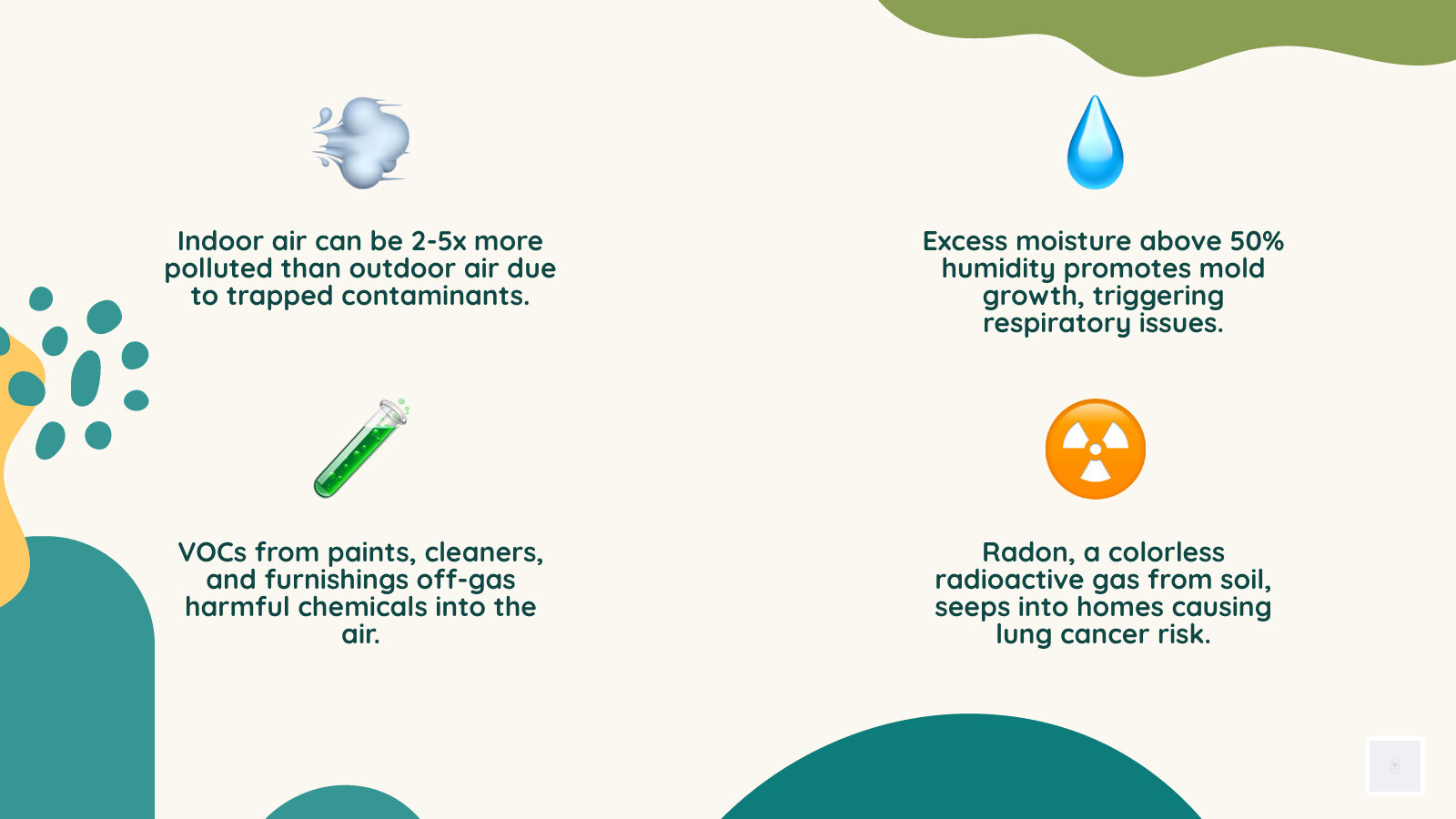
Creating and maintaining safe indoor environments is a multifaceted endeavor, resting on several core pillars that address both the physical structure and the human elements within. It involves a holistic understanding of building science, meticulous control over moisture, strategic reduction of pollutant sources, and adherence to established ventilation standards. Our approach integrates proactive measures with responsive strategies, ensuring that every indoor space, from homes to schools and workplaces, fosters well-being.

Effective indoor environmental management is rooted in building science, which examines how various components of a structure interact with each other and with the external environment. This includes understanding air movement, thermal dynamics, and moisture pathways. By controlling these elements, we can significantly reduce the potential for hazards. Moisture control, for instance, is paramount; unchecked dampness is a primary precursor to mold growth and can compromise structural integrity. Source reduction focuses on minimizing the introduction of harmful substances into indoor spaces, advocating for low-VOC materials and natural cleaning agents. Finally, adequate ventilation rates, often guided by standards from organizations like ASHRAE (American Society of Heating, Refrigerating and Air-Conditioning Engineers), ensure a continuous exchange of indoor air with fresh, filtered outdoor air, diluting pollutants and maintaining optimal air quality.
The following table summarizes common indoor hazards and effective mitigation strategies:

Optimizing Air Quality and Moisture Control for Safe Indoor Environments
Indoor air quality (IAQ) is a critical component of a safe indoor environment, directly impacting respiratory health and overall well-being. The air we breathe indoors can contain a complex mix of pollutants, many of which are invisible and odorless. Volatile Organic Compounds (VOCs), for example, are emitted from a wide array of products including paints, cleaning supplies, furnishings, and building materials. Long-term exposure to VOCs can lead to various health issues, from headaches and dizziness to more severe respiratory and neurological problems.
Another silent threat is radon, a naturally occurring radioactive gas that seeps into buildings from the ground. It is the second leading cause of lung cancer after smoking, making testing and mitigation crucial, especially in homes with basements or those built in radon-prone areas.
Moisture control is fundamental to preventing mold growth, a common indoor allergen and irritant. We aim to maintain indoor humidity levels between 30% and 50% to inhibit mold and dust mite proliferation. This can be achieved through proper ventilation, dehumidifiers in humid climates, and prompt repair of any water leaks. When mold is suspected, or for a comprehensive understanding of your home's air quality, seeking out Unbiased household mold testing can provide clarity and guide necessary remediation steps.
To enhance air filtration, upgrading HVAC filters to MERV-13 or the highest compatible rating for your system is highly recommended. These filters are significantly more effective at capturing airborne particles, including allergens, bacteria, and viruses. Beyond filtration, regular checks for carbon monoxide (CO) are vital, especially in homes with fuel-burning appliances. CO is a colorless, odorless gas that can be fatal; installing and regularly testing CO detectors is non-negotiable.
Other significant pollutants include formaldehyde, often found in pressed-wood products and insulation, and lead-based paint, a particular concern in homes built before 1978. While lead paint is no longer used, its presence can pose a risk during renovations if not managed properly. Asbestos, historically used in insulation and building materials, also demands careful management, as disturbing it can release harmful fibers into the air. Awareness of these potential hazards and taking proactive steps to test, mitigate, and control them are essential for a truly safe indoor environment.
Physical Hazard Mitigation and Active Supervision
Beyond air quality, ensuring physical safety, especially for children, requires constant vigilance and proactive measures. Infants and toddlers, with their developing motor skills and limited understanding of danger, are particularly vulnerable.
Choking hazards are a primary concern. Small objects, certain foods, and even parts of toys can pose a serious risk. We recommend using choke tubes—simple devices that determine if an object is small enough to fit into a child’s airway—to regularly check toys and other items accessible to young children. The statistic that 90% of fatal choking incidents occur in children under four years old underscores the urgency of these checks.
For infants, preventing Sudden Infant Death Syndrome (SIDS) is paramount. Safe sleep practices, such as placing infants on their backs on a firm sleep surface free of soft bedding, bumpers, and toys, are crucial. Understanding that SIDS is the leading cause of death in infants 1 to 12 months old, and that a disproportionate number of incidents occur in childcare settings (20.4% versus an expected 7% in 2013), highlights the need for strict adherence to these guidelines by all caregivers.
Active supervision is the cornerstone of preventing accidents and ensuring child safety. This means constant, attentive oversight, not just passive presence. Caregivers should be within arm's reach of infants and toddlers, and continuously scanning the environment for older children. Strategies to enhance visibility, such as arranging furniture to avoid blind spots, using mirrors, and ensuring doors remain open or have windows, are vital in both home and childcare settings to prevent accidents and, critically, to deter child abuse. As one source noted, visibility is a powerful deterrent to victimization.
Burn prevention is another key area. Every day, over 300 children ages 0 to 19 are treated in emergency rooms for burn-related injuries. This necessitates keeping hot liquids and appliances out of reach, covering electrical outlets, and regularly checking smoke detectors and having a family escape plan. Similarly, poison control measures, including storing household chemicals, medications, and cleaning products in locked cabinets, are essential. Appliance safety, such as securing heavy furniture and televisions to prevent tipping, and ensuring fall prevention through gates on stairs and soft surfaces under play equipment, completes a comprehensive physical safety strategy.
Designing for Safety and Engagement
The physical design and layout of indoor spaces profoundly influence both safety and engagement, particularly for children. Whether in a home, classroom, or childcare facility, intentional design can prevent injuries, promote positive behavior, and foster healthy development.

In educational settings, classroom layout is a critical factor. A well-organized space minimizes traffic patterns that could lead to collisions or running, clearly defines activity zones, and ensures that all areas are visible to supervising adults. Furniture should be stable and scaled to the children's size, preventing tipping hazards and promoting independence. Equipment standards must be rigorously followed, ensuring that all fixtures and furnishings are in good repair and free from sharp edges or pinch points.
The selection of toys and art materials is equally important. All items should be age-appropriate, non-toxic, and durable. Toys designed for older children can pose choking hazards for younger ones, emphasizing the need for careful categorization and regular checks. Non-toxic art materials protect children from harmful chemical exposure during creative play. As one expert noted, children don't need "boxes of the latest toys"; a few special, age-appropriate ones suffice and encourage deeper engagement.
Guidelines for developmentally appropriate technology use are also emerging as a key aspect of safe indoor environments. This involves not only content suitability but also managing screen time, ensuring ergonomic setups, and protecting children from online risks. The goal is to leverage technology for learning benefits while safeguarding physical and emotional well-being.
A well-designed indoor environment is one that feels welcoming and inviting, offers enough room for movement and choice, and subtly communicates expectations. By considering the child's perspective, we can create spaces that are not only safe but also stimulate curiosity, learning, and positive social interaction.
Sustaining Health Through Proactive Management
Sustaining a healthy indoor environment is an ongoing process that demands proactive management, continuous monitoring, and a commitment to improvement. It moves beyond initial hazard identification to establishing systems that ensure long-term well-being. This comprehensive approach involves strategic planning, transparent communication, and regular professional assessments.

Proactive communication is vital. Informing occupants about IAQ initiatives, potential risks, and mitigation efforts builds trust and encourages participation. This might involve sharing IAQ action plans, outlining schedules for building maintenance, and providing updates on health monitoring. By adopting a "Sage archetype" approach, we provide guidance and protective oversight, empowering individuals to understand and contribute to their own safety. This continuous dialogue helps address concerns before they escalate and fosters a shared responsibility for a healthy indoor space.
Behavioral Understanding and Emotional Security
Creating a safe indoor environment extends beyond physical safeguards to encompass emotional well-being. For children, understanding their behavior is key to fostering emotional security and preventing unsafe actions. We recognize that "behavior is communication." When a child acts out, bites, or engages in seemingly unsafe actions, they are often expressing an unmet need, frustration, or a lack of appropriate coping mechanisms.
Becoming a "behavior detective" involves observing the child, considering the context, and trying to decipher the function of their behavior. Is a child biting due to teething, seeking attention, or expressing anger? Once the underlying reason is understood, caregivers can respond with empathy and guidance rather than just punishment. For instance, if a child is biting, immediate, calm intervention stating that biting is unacceptable, followed by teaching alternative communication methods, is more effective than yelling. This approach helps children develop impulse control and learn healthy ways to express themselves.
Emotional safety is built on consistency, affection, and positive reinforcement. Children thrive in predictable environments where expectations are clear and boundaries are consistently enforced. Showing affection through hugs and cuddles, and discussing feelings, helps children feel loved and secure. Positive reinforcement for desired behaviors encourages their repetition, while focusing on developmental milestones helps tailor expectations and support. Phrases like "because I said so" hinder understanding; instead, we encourage open communication and explaining the "why" behind rules. This approach not only manages unsafe actions but also nurtures healthy emotional development, creating an environment where children feel safe to explore, learn, and grow.
Professional Assessment and Maintenance Protocols for Safe Indoor Environments
Maintaining optimal indoor environmental quality requires more than just addressing visible issues; it necessitates a structured approach to assessment and maintenance, often involving professional expertise. Regular HVAC maintenance is foundational. This includes routine inspections, cleaning, and filter replacements (ideally MERV-13 or higher) to ensure systems are operating efficiently and effectively circulating clean air. Poorly maintained HVAC systems can become sources of pollutants themselves, distributing dust, mold spores, and other contaminants throughout a building.
Source control is an ongoing process. This means continuously identifying and minimizing the introduction of pollutants from materials, activities, and products. For example, opting for low-VOC paints and furnishings, using natural cleaning products, and ensuring proper ventilation during activities that generate pollutants are all part of this strategy. For comprehensive and effective cleaning strategies that contribute to healthier indoor spaces, we often recommend resources like Cleaning for Safe Indoor Environments. They emphasize methods and products that support rather than detract from indoor air quality.
Professional Indoor Air Quality (IAQ) testing is crucial for identifying hidden contaminants that are undetectable by sight or smell, such as carbon monoxide, invisible mold spores, or chemical vapors. These tests involve site inspections, ambient air measurements, and air sampling for accredited laboratory analysis. Such professional assessments provide an unbiased, scientific understanding of the indoor environment, guiding targeted interventions. For commercial buildings and schools, baseline testing should ideally be annual, with additional testing after renovations or when health complaints arise.
Post-remediation verification is a critical step after any mold or other contaminant removal. This involves re-testing the affected areas to confirm that the remediation efforts were successful and the environment is truly safe. Establishing baseline assessments allows for ongoing monitoring and helps track the effectiveness of maintenance protocols over time, ensuring that indoor environments consistently meet health and safety standards.
Long-term Strategies for Environmental Health
Ensuring long-term environmental health in indoor spaces requires a forward-thinking approach that incorporates advanced technologies, robust monitoring, and community engagement. As of April 2026, the focus has shifted towards integrated strategies that address both routine maintenance and emerging threats like respiratory viruses.

One such advanced technology is Upper-Room Ultraviolet Germicidal Irradiation (UVGI), which uses UV-C light to inactivate airborne pathogens in the upper part of a room, supplementing ventilation and filtration. This is particularly effective in high-occupancy spaces. Key metrics like Air Changes Per Hour (ACH) and Equivalent Air Changes Per Hour (eACH) guide our ventilation goals. ACH measures how many times the air in a space is completely replaced each hour, while eACH accounts for the combined effect of ventilation, filtration, and air treatment. The CDC recommends aiming for 5 ACH using outdoor air ventilation alone or 5 eACH through a combination of strategies to reduce virus transmission.
Community engagement is paramount. Transparent communication about IAQ initiatives, data, and improvements fosters a shared responsibility for healthy environments. This includes clear signage, feedback mechanisms, and educational campaigns. Administrative controls, such as staggered schedules or reconfiguring spaces to reduce crowding, can also play a significant role in minimizing exposure risks.
We continuously monitor emerging air treatment technologies, exercising caution with devices that generate ozone, a known lung irritant. Instead, we prioritize solutions with third-party certifications like UL 2988, which verifies that devices do not produce harmful ozone. Ongoing monitoring with air quality sensors allows for real-time tracking of parameters like particulate matter, CO2, and VOCs, enabling rapid response to any deviations from healthy levels. These long-term strategies, embracing both established best practices and innovative solutions, are essential for creating resilient and truly safe indoor environments for generations to come.

FOLLOW ME ON SOCIAL MEDIA


No comments:
Post a Comment
I love reading and responding to comments but in order to get my reply you must ensure you are NOT a no-reply blogger. If you are, here are some quick steps to change that!
1. Go to the home page of your Blogger account.
2. Select the drop down beside your name on the top right corner and choose Blogger Profile.
3. Select Edit Profile at the top right.
4. Select the Show My Email Address box.
5. Hit Save Profile.