

Table of Contents
- Minimally Invasive Techniques
- 3D Printing in Dentistry
- Artificial Intelligence in Treatment Planning
- Biocompatible Materials
- Digital Smile Design
- Laser Teeth Whitening
- Composite Bonding
- Clear Aligners with AI Tracking
Cosmetic dentistry is experiencing a transformation, driven by innovations that prioritize patient comfort and outstanding aesthetic outcomes. Patients now have access to a variety of solutions that not only improve the appearance of their smiles but also reduce pain and recovery times typically associated with dental work. These new technologies, materials, and techniques are shaping both the future of dentistry and the patient experience. To find a qualified professional for these advanced procedures, you may wish to consult a local cosmetic dentist who offers experience in the latest techniques.
The evolution of cosmetic dentistry also means treatments are now more predictable and customized than ever before. With intelligent diagnostics, digital smile simulations, and durable, tooth-like materials, every patient can expect personalized outcomes that align with their desires and needs. This shift to high-tech, patient-focused care is making best-in-class results more available to all.
Minimally Invasive Techniques
The trend in cosmetic dentistry leans strongly toward conserving natural tooth structure whenever possible. Techniques such as ultra-thin or no-prep veneers are designed for minimal intervention, requiring less removal of the original enamel. As a result, patients experience less discomfort both during and after the procedure. These innovations make correcting minor chips, discolorations, or misalignments much more comfortable while preserving the long-term health of the teeth.
Alongside advancements in veneers, modern dental lasers are used to perform procedures that were once considered invasive, such as gum reshaping, with minimal trauma to surrounding tissue. The use of air abrasion systems further supports minimally invasive dentistry, allowing dentists to remove decayed portions of teeth precisely, while sparing healthy enamel. There is also a growing emphasis on preventive care and patient education, which empowers individuals to protect the results of minimally invasive procedures and extend the longevity of their investment.
3D Printing in Dentistry
3D printing is revolutionizing dental restorations. Crowns, bridges, veneers, and aligners can now be fabricated with high precision, often within a single office visit. This rapid turnaround means patients spend less time waiting for their new smiles and can benefit from highly tailored solutions. The reduction in production costs and errors also makes these restorative treatments more affordable and accessible. According to the American Dental Association, 3D printing is set to become a cornerstone of personalized dental medicine.
This technology is also influencing surgical planning. Dentists can print custom guides for implant placement, ensuring optimal fit and stability. Removable orthodontic appliances, night guards, and even experimental tissue scaffolds are being produced from biocompatible resins. With the ability to replicate the minute details of a patient’s anatomy, 3D printing is enhancing accuracy while supporting rapid prototyping and adjustments throughout the treatment plan.
Artificial Intelligence in Treatment Planning
Artificial intelligence (AI) tools are enhancing the way cosmetic dentists approach treatment planning. With AI, dentists can interpret digital scans and patient histories to design accurate treatment workflows and predict outcomes. From simulating results with virtual smile design software to analyzing imaging for the best course of action, AI minimizes guesswork and maximizes patient satisfaction. These systems also streamline office operations, allowing professionals to spend more quality time with each patient. See how this trend is advancing patient care in dentistry in this feature from the American Dental Association.
The use of AI is not limited to diagnostics and can extend to scheduling, patient communication, and follow-up care. Some platforms can assess patient-reported symptoms and post-treatment photos to provide early alerts of potential complications. The growing integration of AI into cosmetic practice ensures ongoing improvements in efficiency, accuracy, and the personalization of every dental visit.
Biocompatible Materials
Biocompatibility has become a key requirement in modern cosmetic materials. Today’s ceramics, like zirconia and lithium disilicate, as well as advanced resin composites, not only look natural but are also less likely to cause reactions or long-term irritation. These materials integrate seamlessly with the natural tooth and gum, resulting in longer-lasting, safer restorations. The move away from metals and traditional ceramics is improving both aesthetics and oral health outcomes.
Emerging materials are also being engineered for bioactivity, promoting remineralization of tooth structure and inhibiting bacterial growth. Many practices now offer metal-free options for both cosmetic and restorative needs, giving patients more choices when it comes to the health and appearance of their smiles.
Digital Smile Design
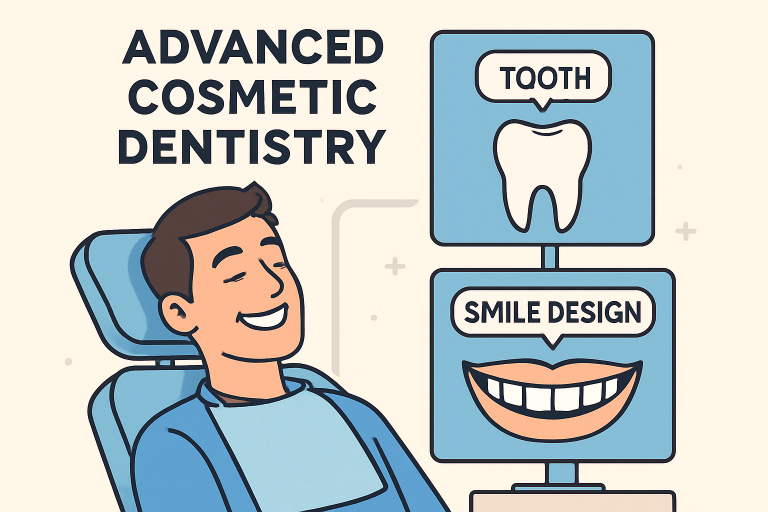
Digital Smile Design (DSD) utilizes sophisticated 3D imaging, AI-based facial recognition, and simulation technologies to craft treatment plans tailored to each patient’s unique features. Dentists can show a preview of the expected results before any physical work begins, allowing patients to offer feedback and make informed decisions. This approach ensures that the final result matches the patient’s expectations and achieves harmony with their natural anatomy.
Because of its digital basis, DSD can easily be adjusted if a patient wishes to see alternative aesthetic options. The ability to visualize the final outcome alleviates patient anxiety, builds trust, and enhances the collaboration between dentist and client. This interactive experience also streamlines communication, contributing to predictable, satisfying results.
Laser Teeth Whitening
Laser-assisted whitening procedures amplify the effectiveness of bleaching gels while reducing the chances of sensitivity or uneven results. The laser’s precision targets the whitening agents for a faster reaction time, allowing a single visit to produce dramatic improvements. This technique has quickly become popular among individuals seeking immediate and reliable whitening solutions.
Unlike traditional methods, laser whitening can target specific teeth or even localize treatment to stained areas. Some dental offices pair this technology with custom trays or enhanced desensitizing agents, offering a truly bespoke approach to teeth whitening. This is especially helpful for patients with sensitive teeth or those who require focus on specific cosmetic imperfections.
Composite Bonding
Composite bonding techniques have advanced significantly, both in terms of materials and methods. New resin formulations provide better color matching and strength, making repairs to chips, gaps, and small imperfections virtually invisible. Completed quickly and painlessly, composite bonding is a preferred solution for those who want to improve their smile without committing to extensive or invasive treatment.
Patients benefit from same-day results and minimal preparation time. Furthermore, composite materials now include options that mimic translucency and light reflection of natural enamel, ensuring a seamless blend with untreated teeth. The ease with which composites can be shaped also gives dentists greater creative control to provide individualized results.
Clear Aligners with AI Tracking
The emergence of clear aligners has transformed orthodontic treatment. With the addition of AI-powered apps, patients can now track their progress from home, submitting regular scans via their smartphone for dental review. This technology reduces the need for in-office visits, ensures compliance, and facilitates faster treatment adjustments, making orthodontics more convenient than ever before.
Innovative aligners use medical-grade, clear polymer that applies gentle, constant force for incremental movement. The integration of remote monitoring technology means orthodontists can intervene or offer advice early, avoiding delays in the process. This blend of advanced materials and virtual oversight empowers patients to take a more active role in their treatment and achieve the results they desire with minimal disruption to their daily lives.
Modern cosmetic dentistry is empowering patients with more choices, comfort, and confidence in their treatment outcomes. As innovation continues, the ability to achieve a healthy, attractive smile is becoming a reality for anyone seeking to improve their appearance and boost their self-esteem.
Looking ahead, emerging trends such as regenerative medicine, guided tissue engineering, and the use of nanotechnology in dental applications hold the promise of even more precise, minimally invasive, and effective cosmetic treatments. Continuous education and digital integration are now fundamental, ensuring that both practitioners and patients remain at the forefront of this dynamic field. From outpatient smile makeovers to advanced full mouth rehabilitations, the integration of science, artistry, and technology is truly redefining what’s possible in the realm of cosmetic dentistry.

FOLLOW ME ON SOCIAL MEDIA


No comments:
Post a Comment
I love reading and responding to comments but in order to get my reply you must ensure you are NOT a no-reply blogger. If you are, here are some quick steps to change that!
1. Go to the home page of your Blogger account.
2. Select the drop down beside your name on the top right corner and choose Blogger Profile.
3. Select Edit Profile at the top right.
4. Select the Show My Email Address box.
5. Hit Save Profile.