

Key Takeaways
- Rapid response is essential to reduce damage, costs, and disruption in an emergency.
- Waiting too long raises the risk of mold growth, major repairs, and higher financial losses.
- Knowing what emergency restoration teams do and how fast they respond prepares homeowners for effective action when disaster hits.
When disaster strikes, every moment matters. Broken pipes, sudden kitchen fires, or storm-driven flooding can quickly escalate, leaving lasting damage. That is why having trusted professionals like BIONIC Water Damage Restoration of Houston on call is essential for swift recovery. Immediate action can be the difference between a quick cleanup and months of costly repairs.
Prompt emergency restoration services act as the front line against escalating damage. The sooner help arrives, the more likely it is that your home and belongings can be saved or restored to their original condition. Delays may result in complications such as mold, structural weakening, and significant increases in restoration costs. Understanding response times and what to expect from restoration professionals will empower homeowners to make timely, informed decisions when faced with a crisis.
The Critical Importance of Rapid Response
Water has a unique ability to cause severe, unseen damage within minutes. In just an hour, water can penetrate flooring, drywall, and sofas. Given a day, hidden water can foster mold growth, threatening both air quality and structural integrity. The Institute of Inspection, Cleaning and Restoration Certification (IICRC) underscores that immediate mitigation is the single most important factor in successful restoration. Unchecked, minor issues become major financial and health hazards.
According to industry standards, speed is not just an advantage; it is a necessity. Even a few hours’ delay can transform a manageable incident into a full-scale reconstruction project. Whether from burst pipes, fires, or hurricanes, the efficiency of the initial response dramatically shapes recovery timelines and costs.
Typical Response Times for Restoration Services
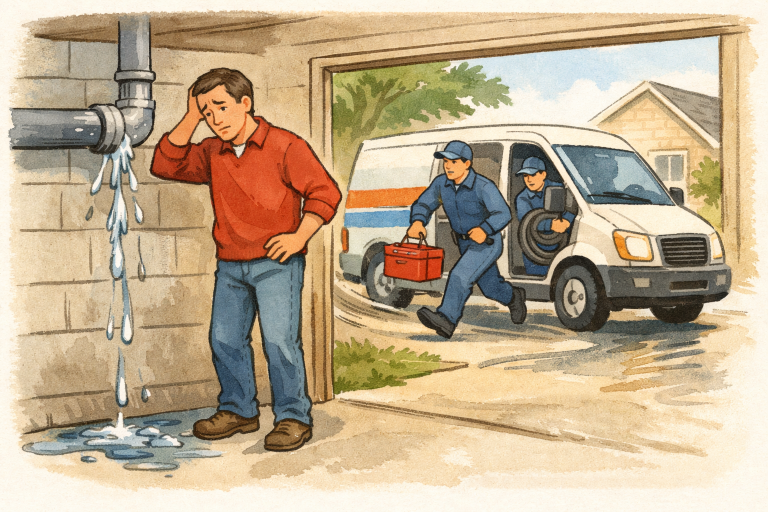
Most reputable restoration companies, including local specialists and national leaders, are available 24/7 for emergencies. Their goal is often to reach the scene within 60 to 90 minutes of the initial call. For example, BIONIC Water Damage Restoration of Houston guarantees a 30-60 minute arrival time throughout Greater Houston, ensuring rapid response to mitigate further loss.
Factors Influencing Response Times
- Proximity: Homes closer to a company's office or available teams receive faster onsite service.
- Disaster Scale: During hurricanes, floods, or wildfires, widespread demand can delay all services because of overwhelmed resources.
- Time and Traffic: While emergency services operate around the clock, severe weather or major accidents can lead to logistical delays, particularly after hours or on holidays.
Steps Homeowners Can Take While Waiting
Every minute counts, but there are ways to minimize loss before the professionals arrive. Safety comes first: always evacuate if there is a risk of structural collapse or exposure to hazardous materials. If water is the problem and it is safe, turn off the main supply to contain further flooding. Capture as much photographic evidence as possible; detailed documentation assists the insurance process and can help speed up claims.
- Ensure Safety: Leave the premises if you notice strong smoke, electrical hazards, or structural instability.
- Stop the Source: For water emergencies, shut off the main water valve if accessible and safe to reach.
- Document Thoroughly: Use your smartphone to record all visible damage. These records will be crucial for your insurer.
The Restoration Process: What to Expect
Understanding the sequence of restoration provides homeowners with clarity in stressful moments. Restoration professionals follow these typical steps:
- Initial Assessment: The team surveys visible and hidden damage, identifying safety risks and prioritizing urgent interventions.
- Water Removal: Industrial pumps and vacuums are deployed to extract standing water or remove residual smoke/soot after fires.
- Drying and Dehumidification: Specialized drying equipment prevents further deterioration and the onset of mold.
- Cleaning and Sanitizing: Restorers disinfect and remove harmful contaminants to make spaces safe and healthy again.
- Repair and Restoration: Damaged materials such as drywall, flooring, and cabinetry are repaired or replaced, returning your home to its pre-incident condition.
Choosing the Right Restoration Service
The market for restoration providers is crowded, so selection should not be left to chance. Always look for companies with up-to-date IICRC certifications, which signal a commitment to industry standards. 24/7 availability is critical as emergencies do not keep regular hours. Reading independent reviews and customer testimonials gives insight into a company’s reliability and workmanship, helping you make an informed decision before disaster occurs.
Conclusion
Disaster rarely gives warning, and when it arrives, the speed of professional restoration services is crucial in safeguarding your home and health. Preparedness, choosing the right company, and taking immediate action are the key factors to weathering any emergency with minimal loss and disruption. The faster the response, the quicker the path to recovery and peace of mind.

FOLLOW ME ON SOCIAL MEDIA


No comments:
Post a Comment
I love reading and responding to comments but in order to get my reply you must ensure you are NOT a no-reply blogger. If you are, here are some quick steps to change that!
1. Go to the home page of your Blogger account.
2. Select the drop down beside your name on the top right corner and choose Blogger Profile.
3. Select Edit Profile at the top right.
4. Select the Show My Email Address box.
5. Hit Save Profile.