

Table of Contents
- Improving Air Quality
- Mitigating Urban Heat
- Enhancing Mental Health
- Promoting Physical Health
- Fostering Social Cohesion
- Providing Economic Benefits
- Enhancing Climate Resilience
- Conclusion
Trees are essential for more than just improving a neighborhood's visual appeal. They shape the very health and vitality of our communities. By cleaning the air, strengthening social ties, and creating shaded green spaces, trees play a crucial role in urban life. Engaging a professional service like Fielding Tree Care can make all the difference in maintaining the health and safety of the trees that surround us.
Residents who invest in green spaces see wide-ranging benefits, both immediately and for generations to come. Improved air quality, lower summer temperatures, and opportunities for outdoor activity are just some of the ways trees build stronger communities. Healthy, well-maintained trees become neighborhood assets, improving the quality of life for everyone who lives there.
In addition to their clear health advantages, trees contribute to social unity and economic vibrancy. Community groups and local governments recognize the value greenery brings in creating spaces where people connect and thrive. Ensuring a robust urban canopy requires community engagement and expert care that together encourage sustainability and well-being.
Research consistently demonstrates that the presence of healthy trees correlates with lower stress levels and reduced rates of various health concerns. The benefits are both visible and measurable, highlighting the importance of thoughtful urban planning that prioritizes green infrastructure.
Improving Air Quality
Trees serve as natural filters for polluted urban air. They absorb pollutants like nitrogen dioxide, sulfur dioxide, carbon monoxide, and particulate matter. By doing so, trees reduce respiratory illnesses and promote better lung function among residents. According to the National Wildlife Federation, trees collectively remove millions of tons of air pollution every year, saving communities billions in health care expenses. The positive impact of trees is especially notable in cities with high traffic congestion and industrial activity, where clean air is urgently needed. More information about the role of trees in air quality can be found on the U.S. Environmental Protection Agency website.
Mitigating Urban Heat
Urban heat islands occur when cities retain more heat than rural areas because of dense concentrations of asphalt, concrete, and buildings. Trees combat this phenomenon by shading streets, homes, and public spaces. The Arbor Day Foundation notes that trees can lower neighborhood temperatures by up to 10 degrees during peak summer months. By cooling the environment, trees make walking and outdoor activities safer and more comfortable, especially for children and elderly residents. This shading is also vital during extreme heat events, protecting vulnerable groups from potentially life-threatening conditions.
Enhancing Mental Health
The calming effect of trees and green spaces on mental health is increasingly recognized in medical research. Individuals who live in tree-lined neighborhoods report lower levels of stress, depression, and anxiety. The presence of trees has a restorative effect, facilitating relaxation and a sense of peace. According to research published by the American Psychological Association, even short periods spent in nature can improve mood, focus, and overall psychological well-being. For many, the simple act of looking out the window at greenery can provide relief from daily stresses and urban noise.
Promoting Physical Health
Neighborhoods with lush tree canopies encourage residents to spend more time outdoors. Shaded sidewalks, parks, and recreational trails promote exercise, whether walking, jogging, or cycling. This increased physical activity is associated with lower obesity rates and improved cardiovascular health. Cleaner air, a direct result of tree coverage, also helps reduce the incidence of childhood asthma and other respiratory conditions. Children growing up in greener spaces tend to be more physically active and develop healthier habits that last a lifetime.
Fostering Social Cohesion
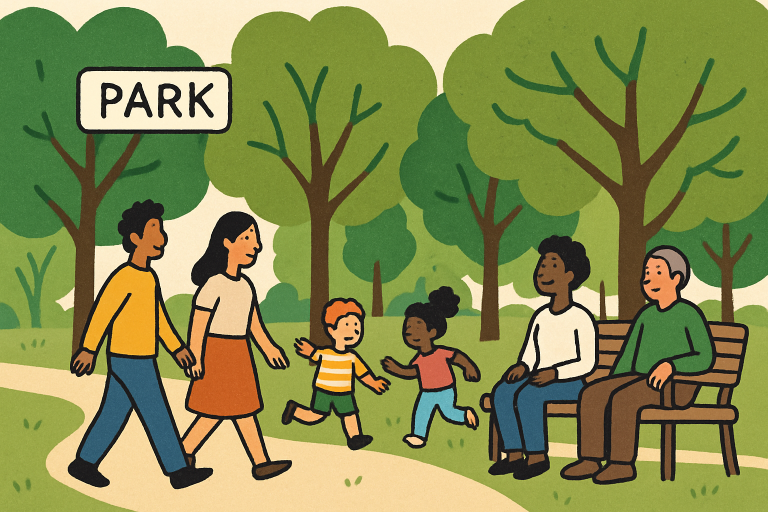
Trees and urban green spaces help connect people. Parks, gardens, and tree-lined streets become venues for events, casual gatherings, and spontaneous conversations. According to studies by the University of Illinois, public spaces with mature trees are associated with higher levels of social interaction and lower crime rates. Trees create natural gathering points, helping neighbors build relationships and a strong sense of community. For community groups, planting and maintaining trees is also an effective way to foster civic pride and collaboration.
Providing Economic Benefits
The presence of healthy trees boosts property values and attracts new businesses. Homebuyers are often willing to pay a premium for houses on tree-lined streets, while shaded commercial areas draw more visitors and shoppers. Local governments benefit as well; increased property values raise tax revenues, which can be reinvested in public infrastructure and services. By improving urban aesthetics and livability, trees make neighborhoods more desirable places to live, work, and invest.
Enhancing Climate Resilience
Trees act as a natural shield against the impacts of climate change. By capturing and storing carbon dioxide, they reduce the concentration of greenhouse gases that contribute to global warming. Trees also play a vital role in managing stormwater: their roots absorb rainfall, reduce runoff, and help prevent flooding and soil erosion. Urban forests are thus key elements in ensuring cities are better prepared for extreme weather events, making them safer and more sustainable.
Conclusion
Integrating trees into urban environments is an investment in healthier, happier, and more resilient communities. The benefits of planting and caring for trees are multi-dimensional, touching every aspect of city life. Maintaining these living assets, with the help of experts and community effort, creates legacies of wellness and vibrancy that endure for generations.

FOLLOW ME ON SOCIAL MEDIA


No comments:
Post a Comment
I love reading and responding to comments but in order to get my reply you must ensure you are NOT a no-reply blogger. If you are, here are some quick steps to change that!
1. Go to the home page of your Blogger account.
2. Select the drop down beside your name on the top right corner and choose Blogger Profile.
3. Select Edit Profile at the top right.
4. Select the Show My Email Address box.
5. Hit Save Profile.