

Key Takeaways
- Unusual noises often indicate worn or misaligned parts.
- Water leaks can cause damage and pose safety risks.
- Inconsistent performance signals deeper mechanical or electrical issues.
- Burning smells or overheating require immediate attention.
- Rising energy bills may indicate inefficient appliances.
- Frequent cycling or random shutoffs suggest electrical or sensor problems.
- Visible wear and tear compromises safety and reliability.
- Consider repair vs. replacement based on age, severity, and cost.
- Timely professional appliance repair preserves appliance lifespan and home safety.
Home appliances are essential to the smooth running of any household, from keeping food fresh to maintaining comfort and convenience. Over time, however, even the most reliable machines can show signs of wear and tear. Strange noises, inconsistent performance, or sudden malfunctions are often indicators that an appliance may not be functioning properly. Recognizing these early signs can prevent more serious problems and extend the life of your devices.
When issues arise, it’s important to address them promptly rather than ignore them, as minor problems can escalate quickly. Seeking appliance repair service ensures your appliances are diagnosed accurately and repaired safely. Whether it’s a refrigerator that isn’t cooling properly or a washing machine that won’t spin, professional assistance helps restore functionality efficiently. Regular maintenance and timely repairs not only save money in the long run but also keep your household running smoothly.
Unusual Noises
All appliances generate some sound during normal operation, such as the low hum of a refrigerator or the gentle whoosh of a dishwasher. However, if you suddenly hear unusual grinding, thumping, squealing, or buzzing noises, do not ignore them. These unexpected sounds often point to worn-out or misaligned parts that could further deteriorate. For example, a banging noise from your washing machine's drum may indicate loose bearings or an imbalanced load, both of which can lead to further problems if left untreated.
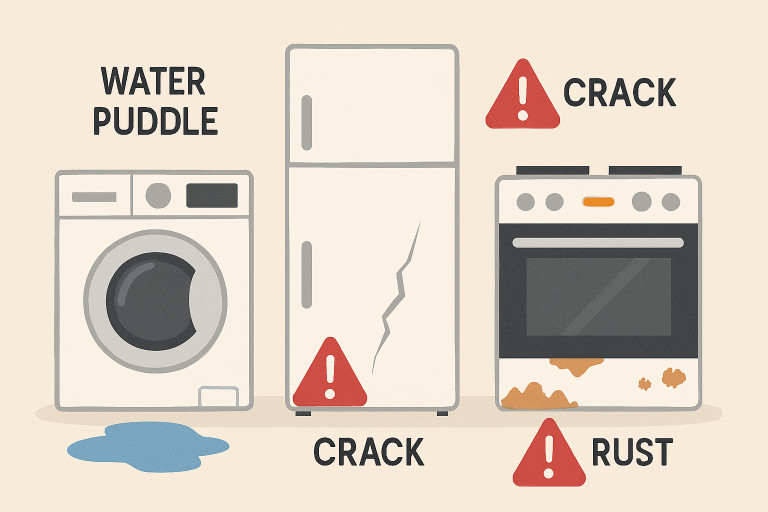
Water Leaks or Puddles
Discovering water under your refrigerator, washing machine, or dishwasher should always be taken seriously. Water leaks can result from cracked hoses, clogged drains, or faulty seals. If left unchecked, these leaks may damage floors and walls, lead to mold growth, and even pose electrical hazards. Timely repairs not only prevent bigger maintenance issues but also help maintain a healthy environment for your family.
Inconsistent Performance
When your oven takes longer to preheat, your refrigerator fails to keep food cold, or your dryer requires repeated cycles, efficiency is compromised. These symptoms often mask deeper mechanical or electrical issues. Ignoring them can cause energy waste and increase wear on appliance components, potentially leading to more extensive damage over time. Consistent performance is a sign of a healthy appliance, so don't wait until a complete breakdown happens before seeking professional assessment.
Burning Smells or Overheating
A sudden burning smell or signs of an appliance overheating should be treated as an emergency. Such odors could signal faulty wiring, overheated motors, or other serious issues that pose fire risks. If you notice a plastic, rubber, or acrid burning scent while using an appliance, switch it off immediately and arrange an inspection by a qualified technician. Quick intervention in these cases can protect your home from much greater harm.
Increased Energy Bills
If you notice a spike in your utility bills without an obvious cause, your appliances could be to blame. Malfunctioning fridges, dryers, or HVAC systems often work harder and run longer cycles when something is wrong, leading to greater energy use. Scheduling maintenance or repairs can help return your appliances to peak efficiency and lower ongoing energy costs.
Frequent Cycling or Random Shutoffs
Repeated on-and-off cycling or random shutdowns in appliances like air conditioners, refrigerators, and washing machines typically signal sensor malfunctions or electrical problems. Left unchecked, this behavior may result in the total failure of the appliance. Early professional diagnosis is critical for resolving electrical or sensor-related complications safely and effectively.
Visible Signs of Wear and Tear
Physical damage, such as rust, cracks, dents, or frayed wires, indicates that the appliance is no longer performing reliably. Rust on your stove, for example, can lead to gas leaks, while cracks in your washing machine drum may cause leaks. These visible issues compromise both performance and safety, making professional attention a must.
When to Repair vs. Replace
The decision to repair or replace an appliance depends on factors like its age, the severity of the issue, and the projected repair cost. Generally, if the cost of repair exceeds half the price of a new appliance, replacement is the more practical option. Consulting an expert can help you weigh the pros and cons based on your specific situation, avoiding unnecessary expenses and ensuring your home runs smoothly.
Conclusion
Maintaining your home appliances means staying alert to early warning signs such as strange noises, leaks, decreased performance, and increased energy use. Addressing these problems quickly extends the lifespan of your machines and secures the comfort and safety of your home. When in doubt, a professional appliance repair can provide expert advice and ensure repairs are done right the first time.

FOLLOW ME ON SOCIAL MEDIA


No comments:
Post a Comment
I love reading and responding to comments but in order to get my reply you must ensure you are NOT a no-reply blogger. If you are, here are some quick steps to change that!
1. Go to the home page of your Blogger account.
2. Select the drop down beside your name on the top right corner and choose Blogger Profile.
3. Select Edit Profile at the top right.
4. Select the Show My Email Address box.
5. Hit Save Profile.