

Key Takeaways
- Biologic dentistry views oral health as integral to overall body wellness, emphasizing the connection between the mouth and systemic health.
- The use of biocompatible, non-toxic materials reduces exposure to potentially harmful substances like mercury and BPA.
- Minimally invasive techniques preserve natural tooth structure and promote faster healing.
- Preventive care and patient education are central to reducing the risk of dental problems and associated systemic conditions.
- Managing oral inflammation can support immune function and lower the risk of chronic diseases, including cardiovascular issues.
- Treatments include mercury-safe filling removal, metal-free restorations, and ozone therapy for healthier teeth and gums.
- Choosing a qualified biologic dentist ensures personalized care tailored to both oral and overall health goals.
Understanding Biologic Dentistry
Biologic dentistry, also called holistic or biological dentistry, approaches oral care by considering the mouth as a vital part of the body’s overall health. This integrative approach stands in contrast to traditional dentistry, which tends to isolate dental problems rather than address their potential impact on overall wellness. By choosing the best dentist who practices biologic dentistry, patients receive personalized care focused on long-term health outcomes rather than just immediate dental fixes.
The philosophy behind biologic dentistry centers around treating dental issues using safe, biocompatible materials and minimally invasive procedures. These techniques are designed to support the body’s natural healing ability, reduce unnecessary interventions, and avoid materials with broader health implications. The ultimate aim is to foster synergy between oral health and total body wellness.
Rather than using a one-size-fits-all approach, biologic dentists assess how dental treatments might influence other systems within the body. They often collaborate closely with physicians and specialists to develop comprehensive care plans, a practice that is especially valuable for patients with complex health concerns or those who favor naturopathic medicine. This holistic mindset emphasizes the root causes of problems rather than simply managing symptoms.
Increasing awareness about the links between oral and systemic health has propelled biologic dentistry into the mainstream, encouraging more people to consider how choices made at the dentist’s office can affect their well-being far beyond the teeth and gums.
Key Principles of Biologic Dentistry
- Use of Biocompatible Materials: A cornerstone of biologic dentistry is the avoidance of dental materials that may harm the body, such as mercury-containing amalgam fillings. Instead, practitioners opt for non-toxic, biocompatible alternatives that lower the risk of allergic and systemic reactions.
- Minimally Invasive Techniques: Preserving as much natural tooth structure as possible is prioritized through gentle procedures like air abrasion and laser therapy. This approach minimizes trauma and encourages faster, less complicated healing.
- Focus on Prevention: Biologic dentists invest in patient education regarding nutrition, oral hygiene, and lifestyle, helping individuals avoid dental problems and associated systemic issues before they start. Preventive care forms the backbone of this philosophy, shifting the focus from reactive to proactive oral health management.
The Connection Between Oral and Systemic Health
Research continues to reveal compelling links between oral conditions and systemic diseases. For example, chronic gum inflammation (periodontitis) has been correlated with elevated risks of cardiovascular disease, diabetes, and even pregnancy complications. This relationship exists because oral bacteria and inflammation can trigger systemic inflammatory responses, increasing disease susceptibility.
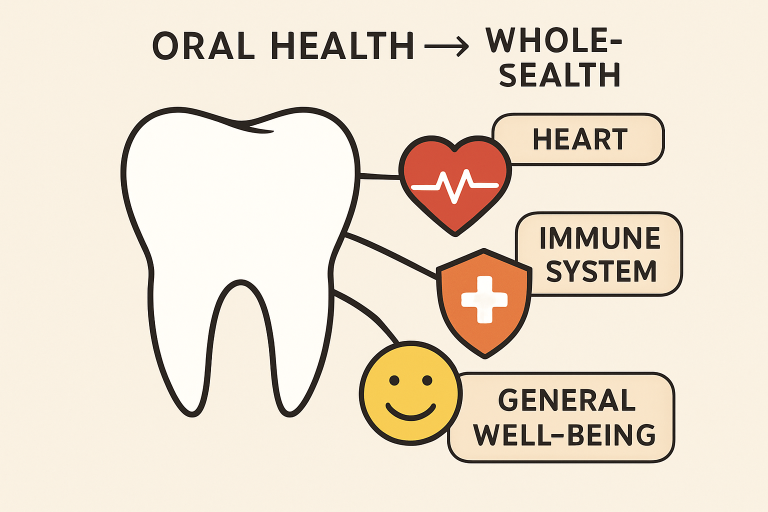
By treating underlying oral health issues comprehensively, biologic dentists work to decrease the likelihood of these serious health challenges. The goal is not just a healthy smile but also a healthier heart, immune system, and body overall.
Benefits of Choosing Biologic Dentistry
- Reduced Exposure to Toxins: Avoiding substances like mercury and BPA in dental treatments may decrease the body’s toxic load and reduce risks of long-term health consequences.
- Enhanced Immune Function: Addressing oral inflammation helps lighten the overall inflammatory burden on the immune system, making it more efficient at warding off various diseases.
- Improved Cardiovascular Health: Effective, gentle periodontal care reduces the risk that oral bacteria will enter the bloodstream and contribute to heart disease, as noted in studies by Harvard Health Publishing.
Common Treatments in Biologic Dentistry
- Mercury-Safe Amalgam Removal: For individuals who already have mercury-based fillings, biologic dentists employ strict protocols for safe removal and replacement using non-toxic materials.
- Ozone Therapy: This innovative technique uses ozone gas to kill bacteria, reduce inflammation, and promote tissue healing for conditions like gum disease and tooth decay.
- Metal-Free Restorations: Crowns, bridges, and fillings crafted from ceramics or composite resins reduce the possibility of adverse reactions to metals and provide aesthetically pleasing results.
Is Biologic Dentistry Right for You?
Those committed to natural health practices or with sensitivities to traditional dental materials may particularly benefit from seeing a biologic dentist. This approach may also be advantageous for those with autoimmune disorders, allergies, or chronic illnesses aggravated by inflammation or toxic exposures. The focus on prevention, personalization, and systemic well-being appeals to a broad spectrum of individuals who seek more than traditional dental care can offer.
Finding a Qualified Biologic Dentist
It is important to choose a dentist who holds certifications from reputable biologic or holistic dental organizations and who demonstrates a commitment to continuing education. The best practitioners will listen attentively to your medical and dental histories, help you articulate your health goals, and design a plan uniquely suited to your needs. Open, two-way communication lays the foundation for optimal results and a truly holistic patient experience.
Final Thoughts
Biologic dentistry offers a fresh perspective on oral healthcare, highlighting the bonds between a healthy mouth and a healthy body. By prioritizing non-toxic materials, minimally invasive interventions, and preventive strategies, biologic dentists support not only attractive smiles but also lifelong wellness.

FOLLOW ME ON SOCIAL MEDIA


No comments:
Post a Comment
I love reading and responding to comments but in order to get my reply you must ensure you are NOT a no-reply blogger. If you are, here are some quick steps to change that!
1. Go to the home page of your Blogger account.
2. Select the drop down beside your name on the top right corner and choose Blogger Profile.
3. Select Edit Profile at the top right.
4. Select the Show My Email Address box.
5. Hit Save Profile.