

Table of Contents
- Embrace Cold Water Immersion
- Incorporate Fermented Foods
- Practice Mindfulness Meditation
- Engage in Strength Training
- Adopt a Mediterranean-Style Diet
- Prioritize Sleep Hygiene
- Stay Hydrated
- Explore Aromatherapy
Menopause is a natural milestone in a woman's life, typically occurring between the ages of 45 and 55. This transition is frequently associated with hot flashes, mood changes, sleep disturbances, and metabolic shifts. As physicians, we recognize that while menopause is a normal stage, the accompanying challenges can significantly affect quality of life. Modern research shows that making a few strategic, yet sometimes overlooked, lifestyle tweaks can dramatically improve comfort and well-being during this period. For comprehensive and individualized support, many women consider menopause care from OBGYNs to help navigate this change effectively.
Adapting healthy behaviors does not require drastic changes. Incremental adjustments to daily routines, addressing diet, exercise, stress reduction, and complementary wellness approaches, can provide measurable relief and support physical and emotional health. These evidence-based strategies are worth considering for anyone experiencing menopause symptoms. With a growing emphasis on preventive medicine, thoughtful adjustments today can translate into lifelong wellness benefits.
Every patient’s experience is unique, so these suggestions should be seen as supportive options rather than requirements. Open communication with your health care team is crucial to creating a personalized approach for managing menopause that fits your needs and medical history.
Incorporating both traditional and integrative health perspectives, these unexpected yet practical tips may surprise those seeking better ways to thrive through menopause.
Embrace Cold Water Immersion
Cold water immersion, including activities such as cold showers or outdoor swimming, is gaining recognition for its potential endocrine and psychological benefits during menopause. Limited studies have shown that cold-water exposure may stabilize estrogen levels, increase endorphin release, and decrease the severity of hot flashes and mood swings. Additional benefits may include improved circulation and energy, which are essential for combating menopausal fatigue. As always, approach cold immersion cautiously if you have underlying heart conditions or peripheral vascular disease, and consult your physician before starting new regimens.
Incorporate Fermented Foods
The importance of gut health during menopause cannot be overstated. The decline in estrogen may affect gastrointestinal motility and the diversity of gut flora. Including fermented foods such as miso, kimchi, kombucha, and kefir introduces beneficial bacteria to the digestive tract. This may reduce gastrointestinal discomfort, decrease bloating, and even support hormone metabolism. Well-balanced gut flora can indirectly aid mood and immune function, offering a holistic advantage during menopause. A diet rich in probiotics and prebiotics aligns with recommendations from leading organizations in women’s health.
Practice Mindfulness Meditation
Mindfulness meditation practices, from simple breathing exercises to guided imagery, are excellent tools for managing menopausal stress. These techniques encourage attention to the present, which can help lower anxiety levels, improve resilience to stress, and reduce irritability. Regular meditation is associated with better sleep and lower physiological markers of stress. Structured programs, such as Mindfulness-Based Stress Reduction (MBSR), which are often offered in integrative medical clinics, can provide additional support for those who wish to develop a consistent practice.
Engage in Strength Training
The natural decline in estrogen during menopause is directly tied to decreased bone mineral density and loss of muscle mass. Guided strength training, including resistance bands or free weights, can slow these changes and lower the risk of osteoporotic fractures. Even moderate routines performed two to three times per week are effective for maintaining musculoskeletal strength. In addition to skeletal benefits, regular strength exercise helps regulate glucose metabolism, promote cardiovascular health, and support a healthy weight.
Adopt a Mediterranean-Style Diet
A Mediterranean-style diet is rich in plant-based foods, whole grains, fatty fish, olive oil, and leafy greens. Research strongly suggests that this dietary pattern reduces cardiovascular risk and supports brain health. Women in menopause experience a higher risk for heart disease due to hormonal changes, so this anti-inflammatory eating style offers an ideal balance for long-term health. It also provides abundant antioxidants and phytoestrogens, compounds that can help relieve several menopausal symptoms.
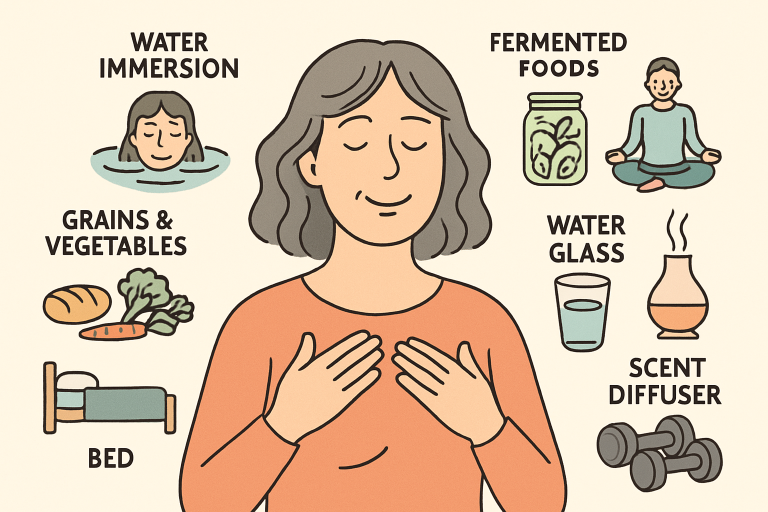
Prioritize Sleep Hygiene
Hot flashes, night sweats, and hormonal fluctuations all disrupt sleep quality during menopause. Adopting strong sleep hygiene practices is crucial. These may include maintaining a regular sleep schedule, creating a calm, comfortable environment, and avoiding stimulants or heavy meals before bed. Cognitive behavioral therapy for insomnia (CBT-I) has been shown in clinical trials to be particularly effective for menopausal women struggling with persistent sleep issues. Restorative sleep is essential to maintain mental sharpness, mood stability, and immune resilience.
Stay Hydrated
Many women overlook the importance of optimal hydration during menopause. Hot flashes and night sweats can lead to unnoticed fluid loss, which may worsen symptoms like fatigue, headaches, and difficulty concentrating. Aim for at least eight glasses of water daily and include water-rich fruits and vegetables in your diet. Limiting caffeine and alcohol can also support hydration status and may reduce bladder sensitivity. The role of hydration in menopause is supported by numerous clinical observations and endorsed by leading health authorities.
Explore Aromatherapy
Aromatherapy remains a gentle yet effective complementary approach for emotional and physical symptoms of menopause. Essential oils such as lavender and clary sage, when used in diffusers, baths, or topical applications, can support relaxation and lower stress. While aromatherapy should not replace primary treatments, it offers a helpful adjunct for those seeking additional comfort. Patients with asthma or allergies should consult their healthcare provider before incorporating new scents.
Minor lifestyle modifications tailored to individual needs often produce meaningful improvements in menopause well-being. Physicians encourage an open dialogue with your care team about symptoms and preferences, ensuring holistic support that combines medical and lifestyle solutions for optimal health during this transition.

FOLLOW ME ON SOCIAL MEDIA


No comments:
Post a Comment
I love reading and responding to comments but in order to get my reply you must ensure you are NOT a no-reply blogger. If you are, here are some quick steps to change that!
1. Go to the home page of your Blogger account.
2. Select the drop down beside your name on the top right corner and choose Blogger Profile.
3. Select Edit Profile at the top right.
4. Select the Show My Email Address box.
5. Hit Save Profile.