

Key Takeaways
- THCA is a non-psychoactive compound found in raw cannabis and serves as a precursor to THC.
- Potential wellness benefits include anti-inflammatory effects and neuroprotection.
- Consumption method impacts both the benefits and legality of THCA flower.
- Quality and legal considerations vary widely, emphasizing the importance of research.
Table of Contents
- What Is THCA Flower?
- Potential Benefits of THCA Flower
- Methods of Consumption
- Safety Considerations and Risks
- Legal Status of THCA Flower
- Choosing High-Quality THCA Flower
- Conclusion
THCA flower, or tetrahydrocannabinolic acid flower, is becoming increasingly popular among individuals seeking the health benefits of cannabis without the psychoactive effects associated with THC. Found in the raw cannabis plant, this natural form of the compound has unique properties that appeal to wellness enthusiasts and those looking for alternative remedies. When considering THCA Flower, it is helpful to understand its characteristics, potential advantages, and the best ways to integrate it into your lifestyle.
Interest in THCA flower continues to grow as more research emerges on its potential anti-inflammatory and neuroprotective effects. Unlike traditional cannabis products that can cause intoxication, using raw THCA flower gives users a chance to experience benefits without feeling “high.” Its versatility and subtle effects make it suitable for a range of health and wellness applications, from managing discomfort to bolstering everyday well-being. Making informed decisions about THCA flower means weighing several considerations. Since legality, product quality, and method of use all play a significant role in the user experience, educating yourself and consulting reputable resources is important. For those new to THCA flower or seeking guidance, exploring trusted sources and consumer feedback can help clarify the options available.
What Is THCA Flower?
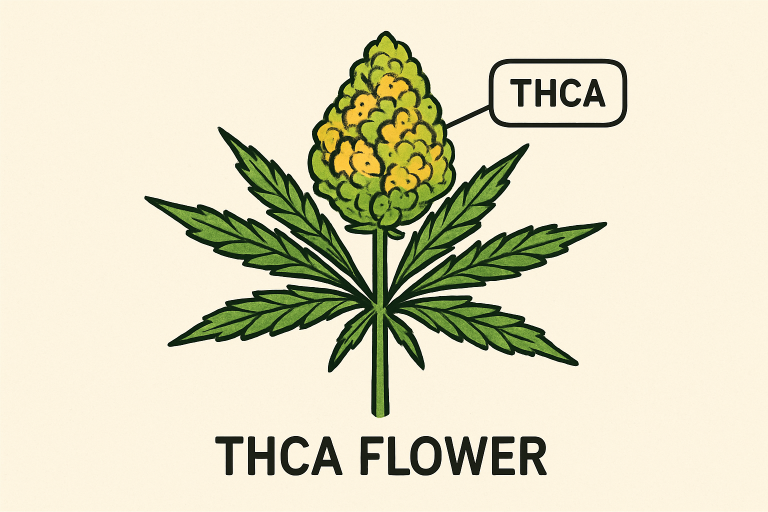
THCA flower refers to cannabis buds harvested and used in their raw state, which are rich in tetrahydrocannabinolic acid. This compound differs from THC, the well-known psychoactive part of cannabis, because THCA does not cause mind-altering effects unless heated. In its natural form, it provides a gentle experience that attracts those who want to reap cannabinoid benefits without any intoxicating effects. The conversion of THCA to THC occurs through a process called decarboxylation. When exposed to heat, such as through smoking, vaping, or baking, THCA loses a carboxyl group and becomes psychoactive. This distinction shapes how people use and perceive THCA flower compared to standard cannabis products.
Potential Benefits of THCA Flower
Emerging scientific studies have highlighted several promising attributes of THCA, although comprehensive human research remains limited. Some of the most noteworthy benefits include:
- Anti-Inflammatory Effects: Early research suggests that THCA may support the reduction of inflammation, which can help individuals manage conditions such as arthritis or generalized chronic pain. These anti-inflammatory properties are under ongoing investigation, but initial results are promising.
- Neuroprotection: Some studies indicate that THCA might help protect nervous tissue from damage, making it a potential candidate for inclusion in strategies for neurodegenerative conditions. Research on animals has demonstrated its ability to safeguard neurons, although further research is necessary.
- Reduction in Nausea and Appetite Enhancement: THCA also shows potential anti-nausea benefits and may help stimulate appetite, particularly for those undergoing medical treatments such as chemotherapy that often suppress hunger.
Methods of Consumption
Consumers can utilize THCA flower in several ways, each offering different outcomes and experiences:
- Raw Consumption: Eating, juicing, or blending raw THCA flower into smoothies preserves the acid form and its non-psychoactive effects. This method is favored by those who want to maintain clear-headedness while still reaping potential wellness benefits.
- Heated Consumption (Decarboxylation): Exposing the flower to heat via smoking, vaping, or cooking converts THCA to THC. This delivers the traditional psychoactive cannabis experience and is an option for those who wish to experience a euphoric effect alongside the therapeutic ones.
Safety Considerations and Risks
As with any wellness product, understanding the safety profile of THCA flower is vital. Major points to consider include:
- Contaminants and Product Purity: Because cannabis products can sometimes be contaminated during cultivation or processing (for example, with pesticides, heavy metals, or microbial agents), only purchase flowers that are submitted for independent lab testing. Reputable vendors provide certificates of analysis verifying a product's safety and potency.
- Side Effects: While THCA alone is not known to cause intoxication, if converted to THC, some individuals might experience effects such as dry mouth, impaired coordination, or heightened anxiety. Starting with small doses is advisable, especially for new users.
- Drug Interactions and Medical Advice: Always consult a healthcare professional before incorporating THCA flower into your regimen, particularly if you are on medication or managing complex health conditions.
Legal Status of THCA Flower
THCA flower’s legal status is not uniform and can change quickly as regulations shift at the local, state, and federal levels. While some jurisdictions treat THCA the same as non-psychoactive cannabinoids such as CBD, others impose restrictions because of its potential to convert into THC. Before purchasing or using THCA flower, check with state-specific agencies and familiarize yourself with federal law to remain compliant and avoid legal complications. Staying updated regularly is essential.
Choosing High-Quality THCA Flower
Ensuring the best experience with THCA flower begins with careful selection. When shopping, focus on the following:
- Source Transparency: Reliable retailers disclose details on where and how their cannabis is grown, including whether it comes from organic or sustainable farms.
- Lab-Verified Products: Only purchase products that are accompanied by third-party lab testing. This step is crucial for confirming both potency and the absence of unsafe contaminants.
- Consumer Reviews and Expert Opinions: Reading feedback from other users and seeking guidance from medical professionals or cannabis experts can help identify reputable brands and proven products.
Conclusion
THCA flower stands out as an appealing option for those searching for the benefits of cannabis without the immediate psychoactive effects of THC. By understanding the differences between raw and heated consumption, evaluating product safety, and researching legal considerations, users can integrate THCA flower into their wellness routines with confidence. Always prioritize quality, legal compliance, and professional advice when exploring new botanical supplements for health and well-being.

FOLLOW ME ON SOCIAL MEDIA


No comments:
Post a Comment
I love reading and responding to comments but in order to get my reply you must ensure you are NOT a no-reply blogger. If you are, here are some quick steps to change that!
1. Go to the home page of your Blogger account.
2. Select the drop down beside your name on the top right corner and choose Blogger Profile.
3. Select Edit Profile at the top right.
4. Select the Show My Email Address box.
5. Hit Save Profile.