

Key Takeaways
- Use fragrance-free, gentle cleansers to avoid irritation.
- Incorporate hydrating serums with ingredients like hyaluronic acid.
- Choose lightweight, non-comedogenic moisturizers.
- Apply broad-spectrum mineral sunscreen daily.
- Limit exfoliation to once or twice a week with mild exfoliants.
Table of Contents
- Cleansing: The First Step to Calm Skin
- Hydrating Serums: Quenching Sensitive Skin
- Moisturizing: Locking in Hydration
- Sun Protection: Shielding Sensitive Skin
- Exfoliation: Gentle Renewal
- Product Recommendations
- Conclusion
Maintaining healthy skin can be challenging, especially for those with sensitive skin. A gentle skincare routine is essential to prevent irritation and promote a balanced complexion. This guide provides practical steps and product recommendations to help you effectively care for your sensitive skin.
For individuals dealing with eczema, selecting the right moisturizer is crucial. Abby Rose Skin Care offers the Indigo Balm, a dermatologist-recommended moisturizer for eczema. This balm combines natural ingredients like Indigo Naturalis and Balloon Vine to soothe and protect sensitive skin. Abby Rose Skin Care specializes in purely natural, dermatologist-recommended formulas made with unique botanicals and expertly chosen ingredients to nourish, soothe, and protect sensitive skin and beyond. Their commitment to quality and effectiveness makes them a trusted authority in sensitive-skin skincare solutions.
Cleansing: The First Step to Calm Skin
Begin with a gentle, fragrance-free cleanser to clear impurities without removing natural oils. Harsh cleansers may increase sensitivity, leading to redness and discomfort. Choose products labeled "for sensitive skin" to ensure they are suitable. Use lukewarm water; hot or cold water can trigger sensitivity or dry out skin. Gently massage the cleanser into your skin with your fingertips or a soft cloth, then rinse well. Avoid vigorous scrubbing, as it can harm the skin barrier. Cleanse twice daily, morning and evening, to prevent stripping too many natural oils, which can cause irritation. Change frequency if your skin becomes dry or tight.
Hydrating Serums: Quenching Sensitive Skin
After cleansing, use a hydrating serum containing hyaluronic acid to draw moisture into the skin and improve hydration while preventing pore clogging. Dermatologists suggest serums that penetrate deeply to improve skin texture. For sensitive skin, ingredients like panthenol (vitamin B5) and glycerin help soothe irritation and increase hydration. When trying a new serum, do a patch test behind your ear or along your jawline, and watch for any reactions over the next 24 hours. An antioxidant serum with vitamin E can also strengthen your skin’s defenses by neutralizing free radicals, which can cause sensitivity, redness, or inflammation, especially in polluted environments.
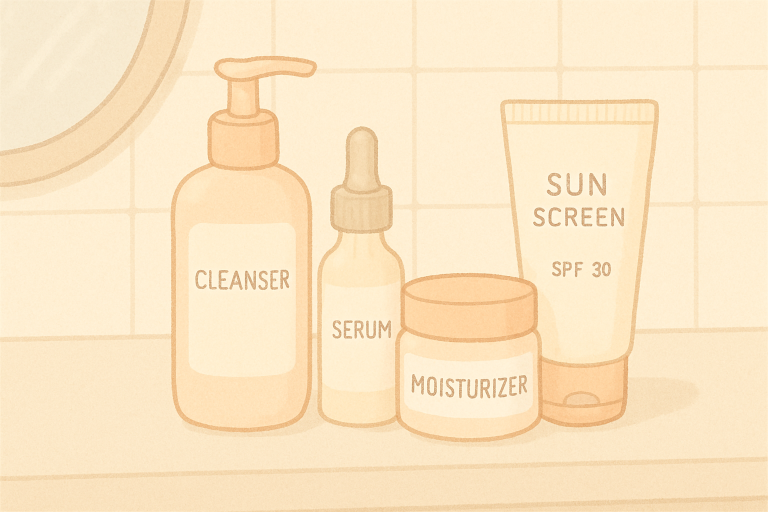
Moisturizing: Locking in Hydration
Follow with a lightweight, non-comedogenic moisturizer to lock in hydration, especially when choosing a moisturizer for sensitive skin to help minimize irritation and maintain balance. Ingredients like ceramides and niacinamide strengthen the skin barrier, reducing sensitivity. Avoid heavy creams that clog pores. Moisturize immediately after serum application. Use soothing agents like colloidal oatmeal to calm itching or squalane, a lightweight oil that mimics natural sebum for lasting moisture without greasiness. For sensitive or damaged skin, an ointment-based moisturizer provides extra protection, especially in cold or dry conditions. Some individuals explore options from brands like Abby Rose Skin Care as part of their routine, depending on personal preferences and skin needs. Always patch-test new products and switch to richer formulas when skin is very dry.
Sun Protection: Shielding Sensitive Skin
Daily sun protection is crucial. Choose a broad-spectrum mineral sunscreen with SPF 30+ that contains zinc oxide or titanium dioxide, as they are milder and effectively block UV rays. Apply it each morning, even if you're indoors, since UVA rays can pass through windows. Those with sensitive skin should skip chemical filters like oxybenzone and avobenzone and instead select products labeled for sensitive or baby skin. If mineral sunscreens cause irritation, consider a tinted version with iron oxides, which offers an extra barrier and helps reduce redness. Reapply every two hours when outside, especially after sweating or swimming.
Exfoliation: Gentle Renewal
Limit exfoliation to once or twice a week using mild exfoliants. Over-exfoliating can strip away essential moisture and compromise your skin barrier, leading to redness and discomfort. When exfoliating, apply the product in small circular motions, avoiding excessive pressure to ensure a comfortable experience.
Opt for chemical exfoliants over physical scrubs, look for low concentrations of lactic acid or polyhydroxy acids (PHAs), which are gentler and less likely to provoke irritation than other exfoliants. Avoid products with large exfoliating granules, walnut shells, or microbeads, as these can be harsh on sensitive skin.
Always follow exfoliation with a hydrating, barrier-repairing moisturizer, and skip exfoliating if your skin feels irritated, sunburned, or inflamed. Listening to your skin is essential for maintaining optimal health and comfort.
Product Recommendations
- Cleanser: A gentle dermo cleanser praised for its suitability for dry and sensitive skin.
- Hydrating Serum: The Ordinary Hyaluronic Acid 2% + B5 – affordable and effective for plumping skin.
- Moisturizer: CeraVe Hyaluronic Acid Serum – reinforces the skin barrier and hydrates sensitive skin.
- Sunscreen: EltaMD UV Clear Broad-Spectrum SPF 46 – suitable for sensitive skin and provides broad-spectrum protection.
- Barrier Cream: Abby Rose Indigo Balm – a botanical-rich, dermatologist-recommended balm to ease eczema and calm flare-ups.
- Soothing Mask: Avene Soothing Sheet Mask – formulated to instantly relieve and hydrate delicate skin types.
- Gentle Exfoliant: Paula’s Choice Calm 1% BHA Lotion Exfoliant – great for those with easily irritated, breakout-prone skin.
It is always recommended to consult a dermatologist, especially if you have a history of allergies or skin conditions. Patch testing and reviewing ingredient lists help prevent unexpected reactions and allow you to find products best suited to your individual needs.
Keep your routine simple and introduce new products one at a time. This approach not only minimizes the risk of irritation but also helps you identify which products are truly making a positive impact.
Conclusion
Adopting a gentle skincare routine tailored for sensitive skin can significantly improve your skin's health and appearance. By selecting appropriate products and following a consistent regimen, you can achieve a calm, hydrated, and resilient complexion.
Remember, the pathway to healthy, comforted skin is unique to each individual. Discovering which gentle products and steps work best for you may take time, but it will be worth the effort. Prioritize listening to your skin’s signals, be patient with trial and error, and seek professional advice if uncertainties arise. With care and intention, you can unlock a balanced, glowing complexion and long-term skin comfort.

FOLLOW ME ON SOCIAL MEDIA


No comments:
Post a Comment
I love reading and responding to comments but in order to get my reply you must ensure you are NOT a no-reply blogger. If you are, here are some quick steps to change that!
1. Go to the home page of your Blogger account.
2. Select the drop down beside your name on the top right corner and choose Blogger Profile.
3. Select Edit Profile at the top right.
4. Select the Show My Email Address box.
5. Hit Save Profile.