

Table of Contents
- Early Detection of Leaks
- Preventing Clogs and Blockages
- Maintaining Water Pressure
- Extending the Lifespan of Plumbing Fixtures
- Reducing Water Bills
- Ensuring Health and Safety
- Seasonal Maintenance Tips
- When to Call a Professional
Regular maintenance of your home’s plumbing system is essential to avoiding unexpected and expensive repairs. Not only does routine care keep your plumbing operating efficiently, but it also helps homeowners spot small problems before they turn into larger, costly emergencies. Choosing a trusted local company like Expert Plumbing & Water Heaters of Santa Cruz can ensure you get professional guidance and timely repairs, helping you safeguard your home’s plumbing investment.
Plumbing systems are often overlooked until a major issue, such as a burst pipe or clogged drain, demands immediate attention. Consistent inspections and preventative measures can keep little leaks, pressure drops, and other nuisances from turning into disasters. Prioritizing regular plumbing checks means fewer interruptions to your daily life and more predictable household expenses.
Early Detection of Leaks
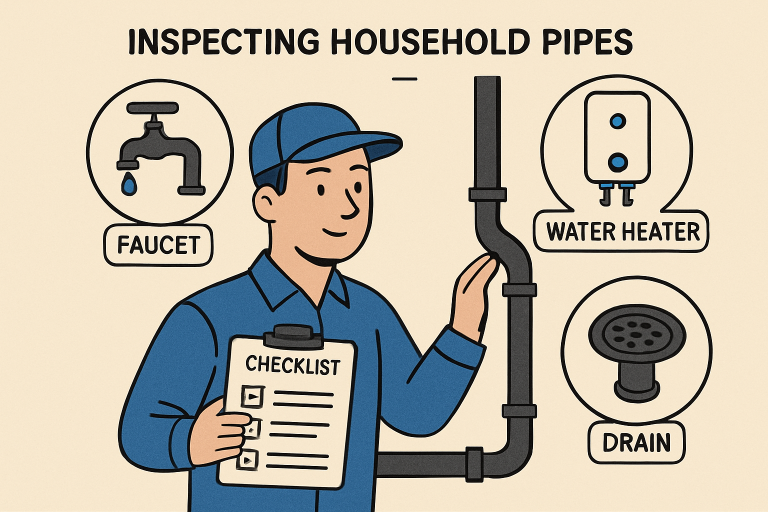
Unnoticed leaks are among the most damaging plumbing issues homeowners face. Small leaks, even a slow-dripping faucet, can waste thousands of gallons of water each year and cause mold growth or structural damage if they soak into walls or floors. Regular inspections of faucets, valves, and exposed pipes help you find issues while they are still minor and inexpensive to fix. Catching leaks early not only prevents water damage but also promotes a healthier home environment by keeping moisture and mold at bay.
Preventing Clogs and Blockages
Clogs in your drains are a common inconvenience that can quickly escalate to a full-blown emergency, such as an overflowing sink or backed-up sewage. Hair, grease, soap residue, and food particles are frequent culprits in bathroom and kitchen drains. Preventing these blockages is as simple as using drain strainers and properly disposing of cooking oils and other waste. Additionally, scheduling periodic professional cleaning ensures your pipes remain clear and minimizes the risk of sudden backups.
Maintaining Water Pressure
Good water pressure is a sign of a healthy plumbing system. If you notice pressure drops or spikes, it could mean a hidden leak or blockage. Persistent low pressure can signal sediment buildup in pipes or failing fixtures, while high pressure may damage pipe joints or lead to appliance wear. Homeowners should check household water pressure regularly. Installing a pressure regulator, if needed, can keep the system within safe limits and reduce the chance of leaks or burst pipes.
Extending the Lifespan of Plumbing Fixtures
Proper maintenance can greatly increase the longevity of plumbing appliances and fixtures such as toilets, faucets, and water heaters. For instance, flushing the water heater each year removes sediment, increasing its efficiency and helping you avoid costly breakdowns. Similarly, replacing worn-out washers and gaskets in faucets and toilets prevents small leaks from becoming major issues. Investing time in these simple upkeep tasks leads to fewer emergency repairs and maximizes the lifespan of essential household systems.
Reducing Water Bills
Even a tiny leak can lead to surprising spikes in your monthly water bill. According to the U.S. Environmental Protection Agency, fixing household leaks can save homeowners about 10 percent on water bills. Maintenance, such as checking for leaks or replacing faulty components, conserves water and saves you money each month. Efficient appliances and regular plumbing care protect both your wallet and the environment. Discover more ways to save water at the EPA’s WaterSense page.
Ensuring Health and Safety
Plumbing maintenance is not just about convenience; it’s also critical for your health. Standing water from leaks or blocked drains can harbor bacteria and promote mold growth, both of which can negatively impact your family’s wellbeing. Timely inspections and repairs keep water clean and ensure contaminants do not enter your water supply. Ensuring proper drainage and venting also helps prevent hazardous sewer gases from entering your home.
Seasonal Maintenance Tips
- Winter: Insulate exposed pipes and let faucets drip slightly to avoid freezing and bursting. Disconnect outdoor hoses before the first freeze.
- Spring: Inspect for leaks as the weather warms, especially in outdoor spigots and sprinkler systems. Test sump pumps before the rainy season begins.
- Summer: Monitor for root intrusion in sewer lines, particularly if you have mature trees near your property. Address slow drains before peak usage during vacations or family gatherings.
- Fall: Flush the water heater to remove sediment. Clear gutters and downspouts to prevent water backup and flooding.
When to Call a Professional
While preventive maintenance addresses most minor problems, some issues require the skills and knowledge of a licensed plumber. Call a professional if you face recurring clogs, water stains on walls or ceilings, water heater leaks, persistent low water pressure throughout the house, or unexplained increases in your water bill. Attempting major repairs without proper expertise can cause greater damage and increased expense. When in doubt, it is always safer to bring in professionals who can accurately diagnose and repair the problem.
By making regular plumbing upkeep a routine part of homeownership, you can avoid emergencies, control long-term costs, and maintain a safe and comfortable home environment for your family.

FOLLOW ME ON SOCIAL MEDIA


No comments:
Post a Comment
I love reading and responding to comments but in order to get my reply you must ensure you are NOT a no-reply blogger. If you are, here are some quick steps to change that!
1. Go to the home page of your Blogger account.
2. Select the drop down beside your name on the top right corner and choose Blogger Profile.
3. Select Edit Profile at the top right.
4. Select the Show My Email Address box.
5. Hit Save Profile.