

Table of Contents
- Why Soil Testing Is Essential
- Common Soil Testing Methods
- Interpreting Soil Test Results
- Impact on Foundation Design
- Regulatory Requirements and Compliance
- Cost-Benefit Analysis of Soil Testing
- Case Studies of Soil Testing in Construction
- Conclusion
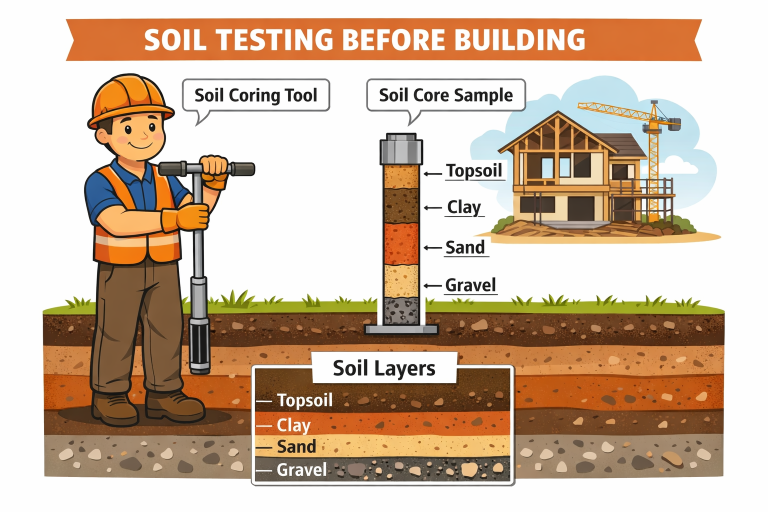
Understanding the soil condition and composition beneath a proposed building site is a vital first step in the construction process. Soil testing helps to identify soil stability, composition, and any potential hazards that could compromise a structure’s safety and durability. Incorporating a thorough Soil Testing & Sampling protocol is not only recommended but often required by regulatory bodies to ensure each project begins with a solid foundation.
Skimping on or ignoring soil testing can result in foundation failures, costly remediations, unexpected delays, and even legal issues. Proper soil analysis enables engineers and builders to design structures that accommodate on-site soil conditions, safeguarding against issues that could otherwise arise during and after construction.
Soil testing forms the backbone of risk mitigation in construction, identifying factors such as soil reactivity, drainage properties, and bearing capacity. These details are vital for determining whether additional soil stabilization or design modifications are necessary. Informed decisions based on lab and field tests prevent structural problems, making soil investigation a priority for both small and large-scale developments.
Modern geotechnical engineering employs a wide range of analytical methods to evaluate various aspects of soil behavior. Each test delivers a distinct piece of information that, together, paints a comprehensive picture of the site conditions. Thoughtful interpretation and application of this knowledge are essential for safe, code-compliant, and durable construction outcomes. For more insights into soil analysis and engineering practices, consult this ScienceDirect overview.
Why Soil Testing Is Essential
Soil testing assesses fundamental parameters such as bearing strength, water retention, and soil composition. These findings are crucial for evaluating whether a site can support the intended weight and design of the planned structure. Insufficient testing may lead to underestimating the risk of subsidence, shifting, or even total collapse. Such oversights can cause legal, financial, and safety repercussions for contractors and owners.
Effective soil analysis enables builders to address issues like expansive clay or corrosive soils before construction begins, guiding the use of stabilization techniques, drainage improvements, or alternative foundation systems as needed.
Common Soil Testing Methods
Several standard field and laboratory tests reveal key characteristics of soil at a building site:
- Standard Penetration Test (SPT): This classic in-situ test measures soil resistance to penetration, which correlates with density, strength, and bearing capacity.
- Plate Load Test: By applying loads to a steel plate on the soil surface, this test assesses how the soil will settle under the weight of a building.
- Moisture Content Test: Measuring soil water content helps determine how the soil will behave under different weather and loading conditions.
- Atterberg Limits Test: Useful for fine-grained soils, these laboratory procedures determine the plastic and liquid limits, which inform the soil’s shrink-swell potential.
These methods, along with others such as triaxial tests and chemical analyses, allow geotechnical engineers to recommend site-specific foundation and construction strategies.
Interpreting Soil Test Results
The value of soil tests lies not just in collecting data but in correctly interpreting the results for a specific project. High moisture levels may signal the need for improved site drainage or soil replacement. Low bearing capacities suggest that the ground will not safely support a standard foundation, necessitating piles or specialized footings. The correct reading of test data informs every key design decision, from foundation selection to water management systems.
Engineers synthesize soil data to produce clear, actionable findings that guide all subsequent construction steps and help ensure the finished project’s longevity. ScienceDirect provides more information about what happens when foundational concerns are overlooked.
Impact on Foundation Design
Different soils demand different foundation approaches. Strong, well-compacted soils may allow for simple spread footings or slab-on-grade designs. Conversely, sites with soft clays, organic matter, or aggressive groundwater will likely require deep pile foundations, mat footings, or other specialist systems. Soil test results inform these choices, helping prevent uneven settlement, cracking, and other signs of structural distress.
Proactively adapting the foundation design to site-specific soil-test information can add years to a building's service life and lower future repair costs.
Regulatory Requirements and Compliance
Most local and national jurisdictions now require some level of soil testing before issuing construction permits. These rules are in place to safeguard public safety and to ensure that any new construction meets basic building standards. Failure to complete the necessary geotechnical surveys can not only delay a project but may also expose developers and contractors to costly litigation and forced remediation.
Cost-Benefit Analysis of Soil Testing
There is an upfront cost associated with comprehensive soil testing, but these expenses are minor compared to the potential costs of structural failure, legal action, or required retrofits. Early diagnosis of site problems enables teams to plan for remediation proactively, mitigating both direct and indirect costs associated with project delays or failures.
Many insurance providers also require documentation of soil testing to validate coverage; thus, robust geotechnical records have downstream benefits for risk allocation and insurance premiums.
Case Studies of Soil Testing in Construction
Numerous construction projects have faced setbacks due to inadequate soil investigation. For example, a development in Illinois encountered foundation cracks shortly after completion. The underlying cause was undiagnosed expansive clay, which should have triggered the use of piers rather than simple footings. After the issue was discovered, a costly structural retrofit was required. Conversely, another site in California’s Central Valley was initially deemed unsuitable for large structures. Through rigorous soil testing and targeted stabilization work, engineers successfully enabled the project to proceed safely and under budget. These real-life examples highlight the importance of proactive soil analysis.
Conclusion
Soil testing is not merely a formal step in permitting or design. It is a cornerstone of safe, sustainable, and economically sound construction. Properly conducted and interpreted, it safeguards investments, supports public safety, and helps ensure that every new structure lasts for generations. Developers, contractors, and property owners should always prioritize expert soil analysis before breaking ground.

FOLLOW ME ON SOCIAL MEDIA


No comments:
Post a Comment
I love reading and responding to comments but in order to get my reply you must ensure you are NOT a no-reply blogger. If you are, here are some quick steps to change that!
1. Go to the home page of your Blogger account.
2. Select the drop down beside your name on the top right corner and choose Blogger Profile.
3. Select Edit Profile at the top right.
4. Select the Show My Email Address box.
5. Hit Save Profile.