

Key Takeaways
- Develop a clear plan before starting your cleanout to stay organized and efficient.
- Break the process into smaller, manageable tasks to prevent overwhelm.
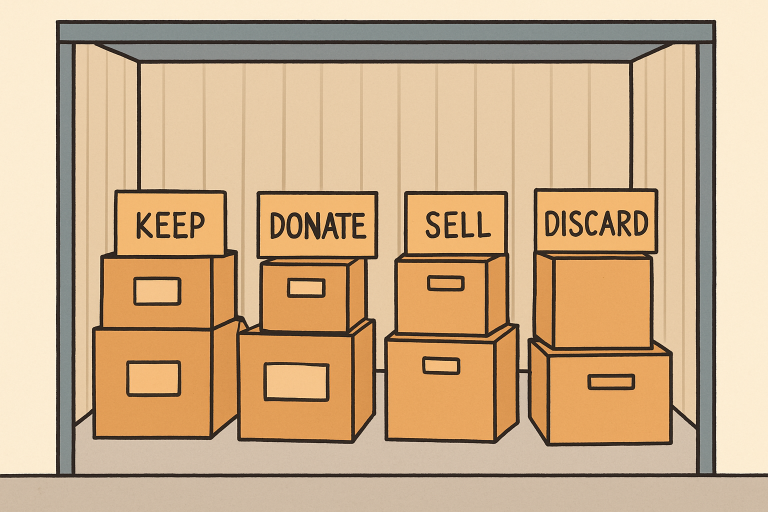
- Sort items into categories: keep, donate, sell, or discard.
- Use appropriate storage materials to protect your belongings.
- Be mindful of common mistakes, such as neglecting to clean items before storage.
Table of Contents
- Planning Your Cleanout
- Breaking Down the Process
- Sorting and Categorizing Items
- Choosing the Right Storage Materials
- Common Mistakes to Avoid
- Maintaining Your Organized Space
Clearing out a storage space can feel overwhelming, especially when the clutter keeps piling up, and you do not know where to begin. Whether you are planning a big move or just trying to reclaim some lost space, having a strategy will save you time, money, and frustration. Try following a comprehensive guide and expert suggestions to achieve a truly efficient storage unit cleanout and make your next storage cleanout feel less intimidating.
With a clear plan, you can transform your storage area from chaos to order, reduce stress, and give yourself room to enjoy what really matters. This article provides easy, actionable steps you can use right away, along with practical advice to avoid the most common mistakes, so you finish your cleanout feeling accomplished rather than exhausted.
Start by understanding that preparation makes all the difference. Rather than guessing where to begin, you can focus on the areas that cause the most frustration or are used the most, which often bring the greatest sense of accomplishment. As you move through each phase, remember that scheduling, breaking things down, and celebrating progress can keep you motivated from start to finish.
Before you start tossing out old boxes and forgotten memorabilia, get familiar with common strategies and tried-and-true techniques. This way, your cleanout will be efficient, and you will avoid setbacks that can undo your hard work.
Planning Your Cleanout
Thorough preparation streamlines your cleanout. Begin by choosing which areas require the most immediate attention. Are there any shelves that frustrate you every time you need an item? Is there a section you use more than others? List these areas and rank them by priority. Next, establish a time frame for each cleanout session, such as committing to one hour per block, to help keep you focused and prevent fatigue.
It is important to set realistic goals that can be accomplished within each session. Breaking the job into defined objectives prevents you from feeling discouraged or overwhelmed and helps you track your progress along the way.
Breaking Down the Process
One of the biggest challenges is facing an entire storage area full of stuff. Instead of tackling too much at once, break your project into small, digestible chunks. Focus on cleaning out a single box, drawer, or shelf during each session. Working in short, frequent bursts, rather than pushing yourself through an exhausting declutter marathon, prevents burnout and makes the cleanout feel more achievable.
Take time to acknowledge and celebrate each area you complete. This positive reinforcement keeps you motivated and makes the entire process more satisfying.
Sorting and Categorizing Items
The main goal of sorting is to streamline your decisions and prevent clutter from moving from one part of your storage to another. Use four categories: keep, donate, sell, and discard. Have designated boxes or bins clearly labeled for each category. This visual organization speeds up your work and clarifies what you plan to do with every item.
If you struggle with letting go of certain things, consider using a temporary "quarantine box" for items you are unsure about. Revisit the box after thirty days; if you have not needed the item, it may be time to let it go.
Choosing the Right Storage Materials
Protecting your belongings is just as important as organizing them. Cardboard boxes are not ideal for long-term storage because they can attract pests, absorb odors, and deteriorate when exposed to moisture. Opt for large, opaque plastic bins with secure lids to safeguard your items from humidity and rodents. For textiles and clothing, avoid plastic trash bags, which trap moisture and can lead to mold. Under-the-bed containers work well for seasonal clothes, keeping items easily accessible and in good condition.
Additionally, label each bin clearly on multiple sides to make retrieval easier and prevent items from getting lost or forgotten at the bottom of a stack.
Common Mistakes to Avoid
- Starting Without a Plan: Jumping in without a strategy increases the likelihood of burning out before you are finished. A plan helps you stay on track.
- Underestimating Emotional Attachments: Many people do not expect to find it hard to let go, but sentimental items can present a real challenge. Honor your feelings and take small steps, such as photographing the item instead of keeping it.
- Trying to Do Everything at Once:Cleanout marathons lead to fatigue and half-finished projects. Aim for consistency, making incremental progress in shorter sessions.
- Buying Storage Bins Before Decluttering: Containers do not organize clutter you have not yet sorted through. Declutter first, then buy bins that fit your needs.
- Not Labeling Containers:Unlabeled containers will lead to future confusion and frustration. Take time to categorize and label everything clearly.
- Growing "Maybe" Piles: A growing pile of indecisive items will stall the process. Use the quarantine box rule and set a clear deadline for yourself.
- Ignoring Digital Clutter: Digital mess is just as draining as physical clutter. Spend time organizing emails, files, and digital photos as part of your cleanout routine.
- Keeping Items "Just in Case": Let go of things you do not truly need. If you would not buy it again today, reconsider keeping it.
Maintaining Your Organized Space
Adopting ongoing strategies will help you protect your progress. Use the "one in, one out" rule so every time you bring in something new, you remove another item. Establish regular cleanout check-ins as part of your annual or seasonal routine to adapt as your needs change. Simple habits like these prevent a return to clutter and ensure your space remains useful and peaceful year-round.
With well-established routines and a clear process, your storage cleanout will feel much less daunting. An organized storage area will not only free up space but also boost your productivity and peace of mind for months to come.

FOLLOW ME ON SOCIAL MEDIA


No comments:
Post a Comment
I love reading and responding to comments but in order to get my reply you must ensure you are NOT a no-reply blogger. If you are, here are some quick steps to change that!
1. Go to the home page of your Blogger account.
2. Select the drop down beside your name on the top right corner and choose Blogger Profile.
3. Select Edit Profile at the top right.
4. Select the Show My Email Address box.
5. Hit Save Profile.