

- Rehab programs vary to accommodate different needs, including structure and treatment intensity.
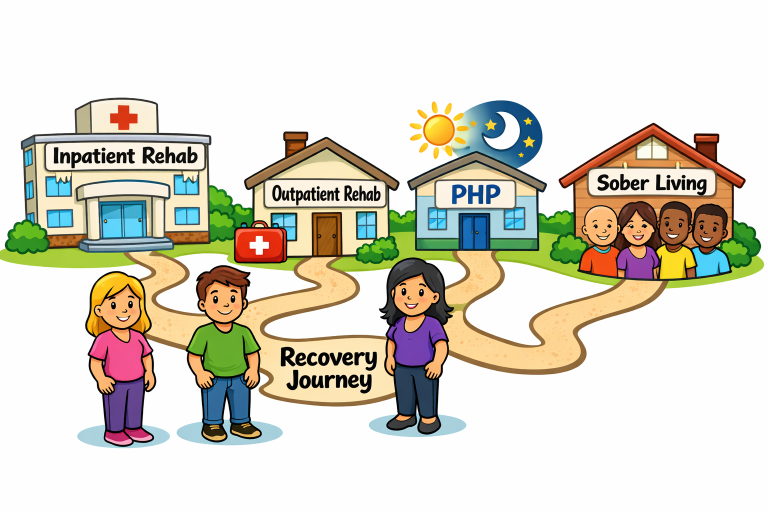
- Inpatient programs provide round-the-clock support, while outpatient options allow for continued daily life activities.
- Specialized programs and sober living homes create a supportive environment that boosts long-term recovery outcomes.
Embarking on the journey to recovery is a courageous decision, one that can set the foundation for a new and healthier life. Given the variety of available rehabilitation programs, it is crucial to understand the options to make an informed choice that suits your unique needs. In Georgia and beyond, individuals can find a range of supportive resources, including rehab in Georgia, that guide them through every step of the process and match them with the right kind of care.
When searching for the most effective treatment, understanding the structure, intensity, and focus of these programs ensures that the path to sobriety is both accessible and sustainable. Selecting an option that aligns with your personal and family responsibilities, financial circumstances, and psychological needs is key to long-term recovery success.
Inpatient Rehabilitation Programs
Inpatient rehabilitation, often called residential rehab, requires participants to live at a treatment facility throughout the duration of their program. Patients receive constant medical care and therapeutic support, making these programs a powerful choice for those facing severe substance use disorders. The residential setting strips away external distractions and triggers, replacing them with a highly structured daily routine, peer support, and comprehensive oversight. For those with dual diagnoses, such as addiction and mental health challenges, inpatient care offers parallel treatment for both conditions, maximizing the likelihood of lasting recovery.
Outpatient Rehabilitation Programs
Outpatient rehab programs serve individuals who do not require round-the-clock supervision or who have personal commitments that prevent full-time facility residence. Participants attend treatment sessions at regular intervals while still living at home. These programs are highly flexible, allowing patients to balance responsibilities at work, school, or home.
Partial Hospitalization Programs (PHPs)
Partial hospitalization programs bridge the gap between the intensity of inpatient care and the flexibility of outpatient treatment. Participants attend structured therapy and medical sessions during the day and return home each evening. This model delivers rigorous medical and therapeutic oversight, empowering those who need robust support without severing ties to family or home. PHPs are well-suited for those transitioning out of inpatient care or needing a higher level of engagement than typical outpatient options can provide.
Sober Living Homes
Sober living homes play a vital part in the continuum of care for individuals adjusting to life after formal treatment. Residents benefit from a substance-free, communal living environment that instills accountability and peer support. These transitional homes set clear expectations, such as household responsibilities and curfews, while also supporting independence and community involvement. Residents often participate in group meetings and collaborative activities that foster a positive and connected recovery experience. The dynamic in sober living environments helps reduce feelings of isolation and builds confidence before individuals move forward on their own.
Specialized Rehabilitation Programs
The recovery landscape recognizes that no two paths to sobriety are identical. Specialized rehabilitation programs are increasingly popular and target the particular needs of unique populations:
- Dual Diagnosis Programs: Provide coordinated care for substance use and co-occurring mental health disorders, increasing the chance of recovery for individuals facing both challenges simultaneously.
- Gender-Specific Programs:Operations are designed with privacy and comfort in mind, creating a safe environment for participants to discuss sensitive subjects unique to certain genders.
- Age-Specific Programs: Adapt therapy and group activities to participants' developmental stage and life context, such as services tailored for adolescents or older adults.
- Faith-Based Programs: Integrate spiritual beliefs and community with conventional therapy techniques, supporting emotional and spiritual healing as part of the recovery process.
- Holistic Programs: Combine traditional therapies with practices such as yoga, meditation, art therapy, and nutrition counseling to drive whole-person healing and stress management.
Choosing the Right Program
Choosing the best rehab program requires evaluating the severity of the substance use problem, co-existing health conditions, daily obligations, and financial resources. Consulting with mental health and addiction professionals helps clarify which program suits an individual’s situation and enhances the likelihood of sustained recovery.
For those considering a range of options, it may be valuable to explore more detailed information about the types of rehab programs and their benefits on trusted healthcare platforms such as WebMD. These resources can provide tested, research-backed advice and practical steps for your recovery journey.
Recovery is a highly individual process, and finding the right program can help lay the foundation for meaningful, long-lasting change. Empower yourself with knowledge, surround yourself with support, and take each step with hope for a healthier future.
Conclusion
Rehab programs offer different levels of care designed to meet individual recovery needs, from intensive inpatient treatment to flexible outpatient options and supportive sober living environments. Choosing the right program depends on personal circumstances, the severity of addiction, and long-term goals. Specialized treatments further enhance recovery by addressing specific challenges such as mental health conditions or lifestyle needs. With the right support and structured care, individuals can build a strong foundation for lasting sobriety and a healthier, more stable future.

FOLLOW ME ON SOCIAL MEDIA


No comments:
Post a Comment
I love reading and responding to comments but in order to get my reply you must ensure you are NOT a no-reply blogger. If you are, here are some quick steps to change that!
1. Go to the home page of your Blogger account.
2. Select the drop down beside your name on the top right corner and choose Blogger Profile.
3. Select Edit Profile at the top right.
4. Select the Show My Email Address box.
5. Hit Save Profile.