

Key Takeaways
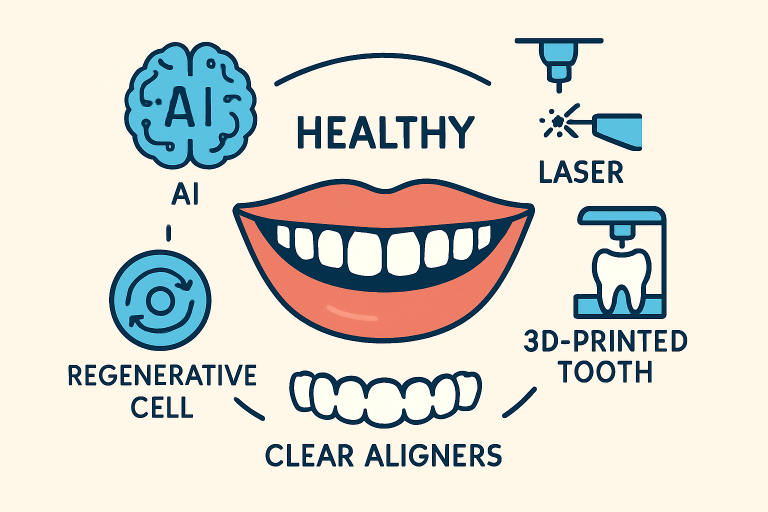
- Artificial intelligence enhances diagnostic accuracy and treatment planning.
- Laser dentistry provides minimally invasive procedures with faster recovery times.
- 3D printing enables customized dental restorations for improved fit and aesthetics.
- Clear aligners offer discreet orthodontic solutions tailored to individual needs.
- Regenerative dentistry holds promise for the repair and regeneration of natural teeth.
Modern dentistry continues to advance at an impressive pace, reshaping how individuals care for their oral health. From diagnostic breakthroughs to innovations in restorative and cosmetic treatments, today’s dental landscape offers patients access to more effective, comfortable solutions than ever before. These advances mean that entrusting your oral care to a skilled periodontist can lead to faster results, better outcomes, and a brighter, healthier smile for the long term.
Integrating technology in dental practices has made procedures less invasive and improved recovery times, all while enhancing the accuracy of diagnoses and the durability of results. For patients, these changes translate into reduced anxiety and more personalized care. The latest innovations span artificial intelligence in diagnostics, regenerative techniques, laser treatments, and next-generation orthodontics.
AI-Powered Diagnostics and Imaging
Artificial intelligence (AI) is now a leading force in dental diagnostics, offering greater precision than manual interpretation alone. AI-driven platforms can analyze digital images such as X-rays and 3D scans, identifying cavities, early gum disease, or even subtle signs of oral cancer that might otherwise go unnoticed. This increased accuracy speeds up treatment planning and ensures patients receive timely, proactive care, greatly reducing the risk that issues will worsen due to late detection. According to the American Dental Association, such technology will likely become standard in dental practices in the coming years.
Laser Dentistry: Minimally Invasive Procedures
Laser technology in dentistry is gaining momentum for its ability to minimize discomfort and speed up healing. Dentists now use specialized lasers for soft tissue procedures, cavity removal, and teeth whitening, significantly reducing pain, bleeding, and recovery time compared to traditional methods. Laser dentistry is particularly beneficial for patients who experience anxiety with traditional dental tools or who require delicate precision, such as during gum reshaping or periodontal disease treatment.
3D Printing in Dental Restorations
With the arrival of 3D printing technology, dental restorations are more customizable, durable, and quickly made than ever before. This method allows for the creation of crowns, bridges, dentures, and even orthodontic appliances tailored to an individual’s unique oral anatomy. Results are typically ready much faster compared to previous approaches that required multiple visits and laboratory processing. The quality of the fit, comfort, and appearance of these restorations has improved greatly, further encouraging patients to pursue timely dental care.
Clear Aligners for Orthodontic Treatment
Clear aligners have emerged as a leading alternative to traditional metal braces, particularly appealing to adults seeking a discreet route to straighter teeth. Custom-made for each patient, aligner trays gently guide teeth into proper alignment and are nearly invisible when worn. The ability to remove clear aligners enables people to eat their favorite foods and maintain good oral hygiene throughout treatment, a significant improvement over fixed orthodontic appliances.
Regenerative Dentistry and Stem Cell Therapies
Regenerative dentistry leverages stem cell science to stimulate the body’s ability to repair and recreate oral tissues, including those found in teeth and jawbones. Although this field is still largely experimental, researchers have already made exciting advances that could eventually eliminate the need for artificial implants or fillings. The goal is to enable the regrowth of tooth structure lost to decay or trauma, building lasting, natural solutions for patients who would otherwise require synthetic materials.
Digital Imaging and AI Diagnostics
Enhanced digital imaging technologies, such as intraoral cameras and cone-beam computed tomography (CBCT), are now standard tools in modern dental clinics. These devices provide detailed, three-dimensional images of the entire mouth, supporting early detection and precise mapping of oral structures. When paired with AI diagnostics, digital imaging dramatically enhances early intervention and enables treatments tailored to each patient’s unique dental anatomy.
Keratin-Based Coatings for Enamel Repair
Recent discoveries in biomaterials have led to the development of keratin-based enamel coatings derived from sheep’s wool. These coatings mimic the natural structure of dental enamel, bonding to minerals in saliva and gradually rebuilding the tooth’s protective layer over time. Not only do such coatings offer a biodegradable, sustainable alternative to traditional synthetic resins, but they also present new hope for those experiencing early decay or enamel erosion.
Final Thoughts
Modern dental technologies empower patients and dental professionals to achieve outstanding oral health and aesthetics with less discomfort and faster, long-lasting results. From the use of artificial intelligence in diagnostics to innovative approaches such as laser therapy, regenerative dentistry, and advanced materials, today’s dental treatments contribute to healthier smiles and improved patient experiences. Staying informed about these new options enables individuals to take proactive, confident steps toward their dental well-being.

FOLLOW ME ON SOCIAL MEDIA


No comments:
Post a Comment
I love reading and responding to comments but in order to get my reply you must ensure you are NOT a no-reply blogger. If you are, here are some quick steps to change that!
1. Go to the home page of your Blogger account.
2. Select the drop down beside your name on the top right corner and choose Blogger Profile.
3. Select Edit Profile at the top right.
4. Select the Show My Email Address box.
5. Hit Save Profile.