

Key Takeaways
- Seal entry points to prevent pests from entering your home.
- Maintain cleanliness to eliminate attractants for bugs.
- Use natural repellents and pest-resistant plants as preventive measures.
- Regularly inspect and maintain your home to deter infestations.
Maintaining a comfortable, healthy home is essential, but achieving a truly bug-free environment can be challenging. Collaborating with a Pest Control Company allows for a professional assessment of your home's vulnerabilities and the creation of a tailored prevention plan.
Homeowners who take proactive steps enjoy peace of mind and avoid familiar sources of indoor pests. These strategies help eliminate attractants, block entry points, and create ongoing defenses for a truly pest-free household. Read on for practical solutions that work year-round.
Prevention is always easier than dealing with an infestation. Understanding and addressing the main ways pests enter your home gives you a substantial advantage. Incorporating these methods into your regular cleaning and home maintenance routines will benefit you all year.
Choosing reputable pest control services extends your home's protection, especially if you live in an area known for seasonal pests. According to Consumer Reports, small gaps, inconsistent cleaning, and garden debris are some of the top reasons homes become infested, making routine vigilance essential.
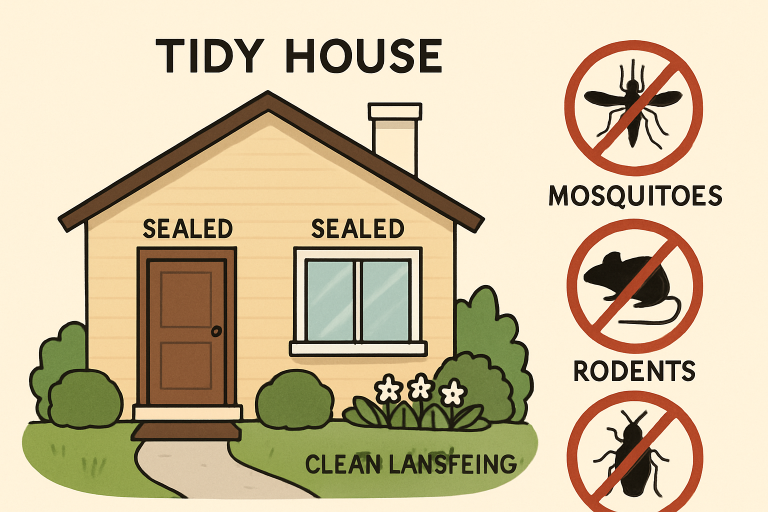
Seal Entry Points
Inspecting your home’s exterior for cracks, holes, or gaps is one of the most critical steps in keeping bugs out. Start by examining areas around foundations, doors, and windows, but do not overlook where pipes or cables enter your home. Sealing these with weather-resistant caulk, expanding foam, or steel wool closes off easy entryways that pests rely on. Inspect these seals every few months, especially after extreme weather, since natural wear and tear can compromise their effectiveness.
Maintain Cleanliness
Bugs thrive in environments with food and clutter. Keep your kitchen and dining areas spotless by promptly cleaning spills, storing all food in sealed containers, and taking out the trash daily. Wipe down counters, sweep regularly, and declutter storage spaces to eliminate both food sources and hiding spots. Pets' food bowls should never be left out overnight, as they can attract everything from ants to rodents.
Use Natural Repellents
Essential oils like peppermint, lavender, and citronella are natural bug deterrents. Mixed with water, these oils can be used in a spray bottle on windowsills, thresholds, and other likely entry points. Planting aromatic herbs such as basil, rosemary, and marigolds near doorways or patios also creates a living barrier that bugs naturally avoid. Used together with sealing and cleaning, these natural methods help keep your home unattractive to pests without harsh chemicals.
Regular Home Maintenance
Basic home maintenance goes a long way toward pest prevention. Clean your gutters and downspouts routinely to prevent water build-up, which attracts mosquitoes and provides nesting sites for termite colonies. Repair damaged window and door screens to keep bugs outdoors without sacrificing ventilation. Maintain landscaping by trimming shrubs and removing yard debris, as these areas can be breeding grounds for pests. For more comprehensive seasonal maintenance tips, visit the EPA's Guide to Pest Control.
Manage Garbage Properly
Garbage is a magnet for bugs. Always use tight-fitting lids on indoor and outdoor trash cans. Take out garbage regularly to prevent overflow, and rinse items before recycling to avoid attracting ants, cockroaches, and other pests. Avoid storing garbage near doorways or under kitchen sinks, as these areas often have gaps that can let in insects.
Utilize Pest-Repelling Lighting
Outdoor lighting often attracts insects, creating annoying swarms around porches, patios, and entryways at night. Studies show that insects are much less attracted to warm-colored, yellow, or sodium vapor bulbs compared to bright, cool white lights. By replacing standard bulbs with yellow-tinted or warm-hued lighting, homeowners can drastically reduce the number of bugs congregating near outdoor spaces. This simple adjustment enhances comfort during evening activities while maintaining effective illumination without attracting unwanted pests.
Implement Physical Barriers
Adding physical barriers provides year-round protection from pests. Functional window and door screens keep even the tiniest insects outside, so check for tears and replace or patch as needed. Door sweeps and weatherstripping also help, particularly at the base of exterior doors where many bugs find easy access. These layers of defense are particularly effective with older homes that may settle and shift, creating new gaps for pests to exploit.
Seek Professional Assistance
If preventive measures do not solve your pest issues, professionals offer more specialized solutions. Certified technicians can identify the species and source of infestations, apply targeted treatments, and recommend customized follow-up plans. Many pest control services also provide quarterly inspections to maintain your home’s protection and offer helpful recommendations for environmental adjustments.
Applying these strategies year-round ensures your living space stays comfortable, healthy, and bug-free. By sealing entry points, maintaining rigorous cleanliness, installing natural and physical barriers, and performing regular home maintenance, you will reduce the likelihood of an infestation. If needed, expert help is just a call away.

FOLLOW ME ON SOCIAL MEDIA


No comments:
Post a Comment
I love reading and responding to comments but in order to get my reply you must ensure you are NOT a no-reply blogger. If you are, here are some quick steps to change that!
1. Go to the home page of your Blogger account.
2. Select the drop down beside your name on the top right corner and choose Blogger Profile.
3. Select Edit Profile at the top right.
4. Select the Show My Email Address box.
5. Hit Save Profile.