

Key Takeaways
- Autism Spectrum Disorder (ASD) is a complex neurodevelopmental condition requiring a multifaceted approach to care.
- Chiropractic care is gaining attention as a complementary therapy for children with ASD.
- There is emerging yet limited evidence for the effectiveness of chiropractic approaches in supporting those with ASD.
- Families should make informed decisions in consultation with healthcare professionals.
- Collaboration between practitioners is essential for comprehensive and individualized care.
Table of Contents
- Understanding Autism Spectrum Disorder
- The Role of Chiropractic Care in ASD
- Potential Benefits of Chiropractic Care for Children with ASD
- Research and Evidence
- Integrating Chiropractic Care with Other Therapies
- Considerations for Parents
- Conclusion
Understanding Autism Spectrum Disorder
ASD affects an estimated one in thirty-six children in the United States, according to the Centers for Disease Control and Prevention (CDC), signifying a significant need for both conventional and complementary therapies. Children with ASD experience difficulties with social interaction and communication, and frequently demonstrate repetitive behaviors or restricted interests.
Because no two children with autism present in exactly the same way, families often seek diverse therapies to help meet their child's needs. For some, chiropractic care for autism has become a proactive option for complementing medical and behavioral support strategies.
Chiropractic care does not aim to replace evidence-based behavioral and educational therapies. Instead, it focuses on potential ways to improve the child's comfort, alignment, and nervous system function.
This evolving approach drives interest from parents and practitioners alike, encouraging open conversations and coordinated efforts to support children with ASD in all aspects of their well-being.
The Role of Chiropractic Care in ASD
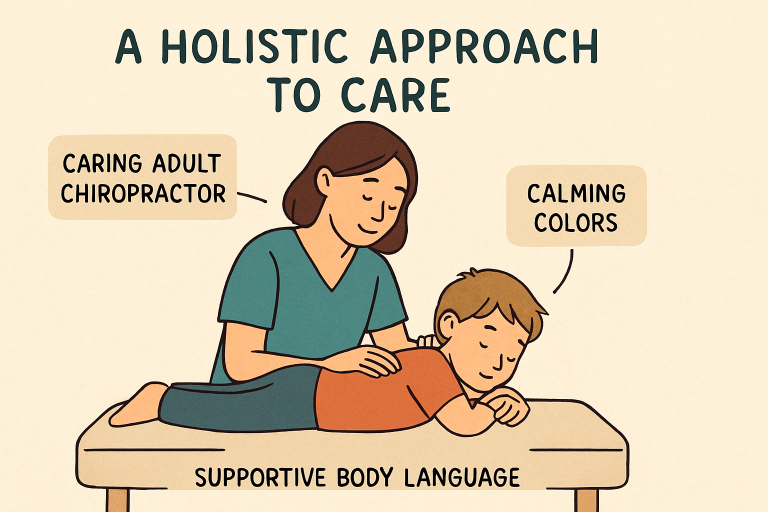
Chiropractic care centers on diagnosing and addressing misalignments of the spine, called subluxations, that may affect the nervous system's function. According to chiropractic theory, restoring proper spinal alignment supports optimal nervous system communication and may benefit overall health, including neurological and sensory processing challenges associated with ASD. Chiropractors working with children adopt gentle, non-invasive methods, often tailoring their approach for individuals with heightened sensory sensitivities.
Potential Benefits of Chiropractic Care for Children with ASD
While each child is unique, parents and some practitioners have reported the following potential benefits:
- Enhanced Nervous System Function: Chiropractors believe that correcting spinal misalignments can help the nervous system transmit signals more effectively, thereby aiding sensory integration and reducing overstimulation.
- Improved Sleep Patterns: Children with autism commonly experience sleep disturbances. Chiropractic adjustments may promote relaxation, potentially contributing to more restful sleep routines.
- Reduction in Hyperactivity: Some families have observed reduced hyperactivity and improved self-regulation in their children after chiropractic sessions, attributes that can influence daily quality of life.
Research and Evidence
The body of scientific literature on chiropractic care for ASD is still in its infancy. Anecdotal accounts of improvement exist, but systematic reviews and clinical trials have highlighted the need for larger, more rigorous studies before drawing firm conclusions about its efficacy. The American Chiropractic Association notes that while some families report improvements, these outcomes are variable and not guaranteed for every child. Parents are advised to weigh these limitations and consider up-to-date, evidence-based perspectives from trusted healthcare sources, such as the CDC’s guide to autism spectrum disorder treatment.
Integrating Chiropractic Care with Other Therapies
Managing ASD often demands a team-oriented approach. Chiropractic care is sometimes integrated alongside established therapies, such as behavioral interventions, occupational therapy, and speech therapy. When healthcare providers collaborate and communicate, care is better coordinated and personalized to the child’s developmental level and unique needs. Such holistic approaches help to support not only physical well-being but also neurological, emotional, and adaptive development.
Considerations for Parents
Parents considering chiropractic care for their child with autism are encouraged to follow a few important steps for safety and efficacy:
- Schedule a consultation with the child’s primary healthcare provider to discuss chiropractic care in the context of existing treatments and medical needs.
- Choose a chiropractor with specialized experience in pediatric and special needs care. This professional should be open to collaborative care and willing to communicate with other therapists on the child’s team.
- Monitor the child’s reactions to chiropractic sessions, and promptly share any concerns or observations with all involved providers to ensure care remains coordinated and goal-oriented.
- Foster open dialogue with the child, when possible, to better understand the impact of treatment and comfort levels throughout care.
Conclusion
Chiropractic care is one potential avenue for supporting children with Autism Spectrum Disorder, particularly as part of a comprehensive and individualized care plan. While some families have reported meaningful benefits, results may vary, and more research is needed to fully understand the role of chiropractic care in addressing ASD. Parents and guardians should stay informed, consult with trusted professionals, and advocate for their child’s holistic well-being.

FOLLOW ME ON SOCIAL MEDIA


No comments:
Post a Comment
I love reading and responding to comments but in order to get my reply you must ensure you are NOT a no-reply blogger. If you are, here are some quick steps to change that!
1. Go to the home page of your Blogger account.
2. Select the drop down beside your name on the top right corner and choose Blogger Profile.
3. Select Edit Profile at the top right.
4. Select the Show My Email Address box.
5. Hit Save Profile.