

Table of Contents
- Introduction
- Legalization Timeline
- Current Regulations
- Medical vs. Recreational Use
- Licensing and Business Operations
- Taxation and Revenue
- Social Equity Initiatives
- Challenges and Controversies
- Future Outlook
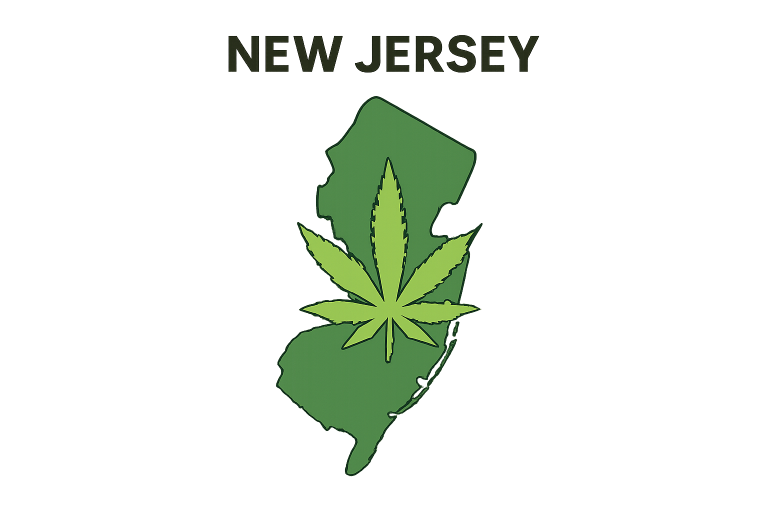
New Jersey has become a significant player in the evolution of legal cannabis, offering both unique opportunities and challenges as the state refines its regulatory approach. Residents and businesses navigating this landscape must keep up with changing laws and market dynamics. Early on, finding a trustworthy dispensary, such as City Leaves, was crucial for those exploring the newly legalized market. Understanding how New Jersey’s cannabis industry is structured helps consumers make informed choices and businesses grow in a competitive sector.
The journey toward legalization has involved public support, regulatory complexities, and ongoing advocacy. Recent years have seen major shifts in access, regulation, and community impact. From medical marijuana to recreational sales, the state’s framework is continuously adapting to fulfill economic, legal, and social objectives. Staying up to date on developments is essential for anyone involved in the cannabis space. Below, we break down the major aspects of New Jersey's cannabis industry, including regulatory milestones, social equity programs, and ongoing debates.
Legalization Timeline
The formal path to legal cannabis in New Jersey started in 2010 when medical marijuana was approved to help patients with serious illnesses. After a decade of advocacy, voters approved recreational marijuana in November 2020 by constitutional amendment. The following February, the Cannabis Regulatory, Enforcement Assistance, and Marketplace Modernization (CREAMM) Act became law. This law not only established the essentials for New Jersey’s adult-use cannabis market but also prompted wide-ranging changes in public expectations for the legal industry.
Current Regulations
The New Jersey Cannabis Regulatory Commission (NJ-CRC) is the state's central authority governing cannabis activities. For consumers, the rules are straightforward: adults 21 and older can possess and purchase up to one ounce of cannabis. All use must occur in private residences or other specially designated areas. Importantly, home cultivation for personal use remains strictly prohibited, and violations can carry severe criminal penalties, reflecting ongoing concerns about controlling the new legal market.
- Legal purchase and possession limit of one ounce for adults 21 and over
- Consumption is restricted to private homes and licensed consumption areas
- Home growing is illegal and subject to significant legal consequences
Medical vs. Recreational Use
New Jersey’s approach gives considerable weight to medical patients while also supporting adult-use consumers. Registered patients with serious health conditions have access to medical cannabis, purchasing up to three ounces within a 30-day period. The recreational program offers access for all adults but limits purchases to one ounce per transaction. Medical patients enjoy certain advantages, such as priority access and higher limits, that distinguish them from recreational buyers. These programs are regulated independently and have distinct registration and compliance requirements, ensuring that patients with medical needs are prioritized.
Licensing and Business Operations
The state’s cannabis industry is built on a robust and competitive licensing structure. The NJ-CRC awards licenses for cultivation, manufacturing, distribution, and retail sales, all of which are required to operate legally. New Jersey’s application process emphasizes social equity, diversity, and community reinvestment. Since legalization, the commission has approved dozens of licenses across all categories, fueling rapid market expansion. Businesses must adhere to strict compliance standards, including ongoing inspections and operational guidelines, to keep the market regulated and competitive.
Taxation and Revenue
Cannabis sales generate sizable tax revenue for New Jersey. The basic state sales tax is 6.625 percent, and municipalities can impose a local excise tax of up to 2 percent on top of this. In 2024, statewide cannabis sales surpassed $1 billion, cementing the market’s role as a key economic driver. Tax proceeds support state services, including community development and social equity initiatives. Data from the state government and national organizations underscore the substantial economic impact of legal cannabis.
Social Equity Initiatives
With cannabis legalization, New Jersey made promises to correct harms from prior enforcement of drug laws. The law earmarks a portion of tax revenue for communities disproportionately affected by past prohibition. While there have been clear steps forward, groups such as the ACLU of New Jersey remain vocal about the need for stronger reinvestment and more meaningful equity programs. Despite these challenges, New Jersey’s framework includes grant programs and small business assistance aimed at returning value to harmed communities and promoting diversity in business ownership.
Challenges and Controversies
The rollout of legal cannabis has not been without difficulties. Home cultivation remains illegal despite public support for reform, and violators face stiff sentences. There have been delays and backlogs in NJ-CRC licensing, leading to slow retail growth and frustration among entrepreneurs. Equity concerns persist, as tax revenue and business opportunities have not reached all intended communities at the scale many advocates demand. Additionally, disparities in law enforcement and access continue to affect minority and low-income communities.
Future Outlook
The future of New Jersey’s cannabis industry remains promising but uncertain. Improvements in licensing processes, potential reforms on home cultivation laws, and expanded access are under consideration by lawmakers and regulators. The NJ-CRC is actively working to streamline application processing and reduce administrative barriers. Meanwhile, advocates are calling for stronger social reinvestment and more inclusive business opportunities. As stakeholders work to refine the market and address its shortcomings, New Jersey could serve as a model for other states as they shape their own cannabis policies. With ongoing public engagement and regulatory updates, the state’s evolution is likely to remain at the forefront of national cannabis reform.
To access official guidance and updates, visit the state's cannabis FAQ page.
For a national perspective on cannabis legislation, see the Legality of cannabis by U.S. jurisdiction article.

FOLLOW ME ON SOCIAL MEDIA


No comments:
Post a Comment
I love reading and responding to comments but in order to get my reply you must ensure you are NOT a no-reply blogger. If you are, here are some quick steps to change that!
1. Go to the home page of your Blogger account.
2. Select the drop down beside your name on the top right corner and choose Blogger Profile.
3. Select Edit Profile at the top right.
4. Select the Show My Email Address box.
5. Hit Save Profile.