

Table of Contents
- Introduction
- Define Your Goals and Budget
- Hire the Right Professionals
- Design with Harmony in Mind
- Navigate Permits and Regulations
- Prepare for the Construction Phase
- Avoid Common Pitfalls
- Enhance Value with Energy-Efficient Upgrades
- Conclusion
Dreaming of extra space, greater comfort, or a more functional layout? Adding onto your home can be a rewarding investment, whether you’re looking to expand your family room, add a sun-drenched office, or create a peaceful master suite. The key to a successful home addition project is thorough, thoughtful planning from the outset. Effective planning ensures that your project meets your needs and brings lasting value, both in terms of personal enjoyment and potential resale. For those seeking professional guidance or inspiration, exploring various home addition plans is an excellent starting point for envisioning your new space and understanding the possibilities available for your property.
With proper preparation and the right team of experts, you can confidently move forward with your addition—even if the process initially feels daunting. From budgeting and hiring professionals to navigating local regulations, every step matters in avoiding costly pitfalls and achieving beautiful, seamless results. Investing the time and effort in upfront planning simplifies construction, enhances project outcomes, and transforms your dreams into a reality you’ll enjoy for years to come.
Define Your Goals and Budget
Successful projects begin with a clear vision. Assess your family’s current needs: Are you accommodating a growing household, upgrading for entertainment, or increasing your home’s resale value? Take the time to write down must-haves such as additional bedrooms, increased storage, or an open-concept living space. Listing your wishlist features and the primary purposes for your addition not only clarifies priorities but also helps you communicate more effectively with design professionals later in the process. Consider how this new space will impact your everyday life, from morning routines to hosting special gatherings.
Budget is equally important. Research average costs in your area, as construction expenses can vary greatly based on location, size, and material choices. Seek multiple quotes from qualified professionals to make informed comparisons. Don’t forget to include essential soft costs such as design and engineering fees, permit costs, and utility connection charges. Establish a 10–20% contingency fund to prepare for unexpected expenses, such as necessary upgrades to foundations, plumbing, or electrical systems that may arise only after work begins. Transparent and realistic financial planning diminishes stress and minimizes the risk of costly overruns, laying the groundwork for a successful addition from start to finish.
Hire the Right Professionals
Choosing who builds your addition is one of the most critical decisions in the entire process, as it shapes both the quality and outcome of your project. Seek out licensed contractors with substantial experience and portfolios focusing specifically on home additions—they’ll bring insights into blending old and new construction seamlessly. Take time to verify their qualifications, check professional references, and review completed projects in person if possible. Trustworthy firms are transparent, experienced, and communicative throughout every phase, from initial consultation to project completion. Don’t just focus on price; craftsmanship, reliability, and the ability to collaborate smoothly with your architect and other specialists greatly influence long-term satisfaction. Thoroughly vetting your contractor helps prevent delays, unexpected changes, and unnecessary headaches during the construction process.
Design with Harmony in Mind
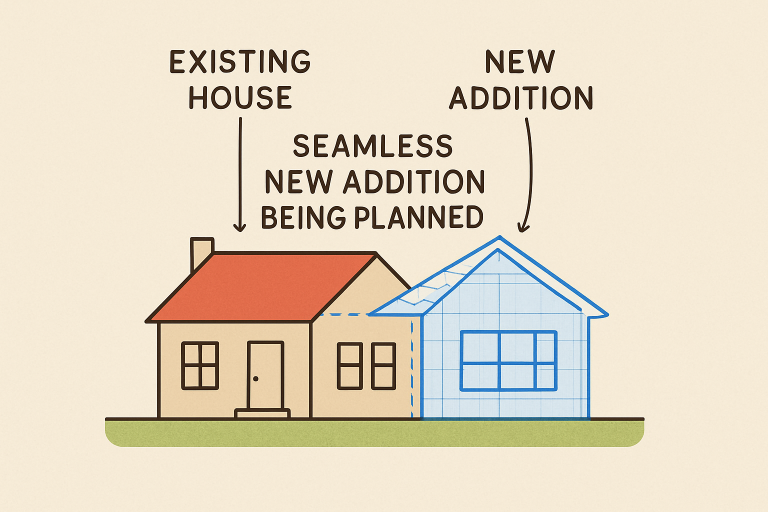
Respect your home’s architecture by selecting designs and materials that integrate naturally with existing features. Consider how the new spaces connect—both physically and visually—to the current layout, and strive to maintain consistency in elements such as rooflines, exterior siding, and window styles. The effort you invest in creating a cohesive design ensures your addition feels intentional, not awkwardly tacked on. Collaboration between a skilled architect and an experienced contractor is vital for refining your vision, adapting floor plans, and addressing the unique challenges presented by your home’s structure or lot. They can recommend design solutions that balance your wish list with the technical requirements necessary for safety, efficiency, and comfort. A harmonious design not only enhances aesthetics but also protects future resale value by attracting buyers who appreciate unified, well-thought-out spaces.
Navigate Permits and Regulations
Before breaking ground, dedicate time to researching local building codes, zoning restrictions, and permit requirements that apply to your intended project. Regulations may dictate where and how you can build, specifying setbacks, height restrictions, and lot coverage. Failing to secure the proper permissions can result in expensive fines, project delays, or, in worst-case scenarios, the forced demolition of completed work. Start the permit application process early and be prepared for review times that often extend longer than expected. Consult your local municipality or zoning board, and consider enlisting your contractor’s assistance in navigating these requirements. Proactive compliance lays the groundwork for a smooth construction process and future peace of mind.
Prepare for the Construction Phase
Construction, while exciting, is inherently disruptive to normal routines. Proactive communication is essential. Coordinate with your contractor about daily schedules, worksite boundaries, and logistics for bringing in materials and equipment. If major living spaces such as kitchens, main entryways, or bathrooms will be affected, outline alternate arrangements in advance and plan for temporary inconveniences. Think about how dust and debris will be contained, how pets or children will be kept safe, and whether you’ll need to vacate any portion of the house during key phases of construction. Smart homeowners use this time to declutter or reorganize impacted spaces, which can make moving back in easier. Regular on-site updates, a shared project calendar, and clear points of contact help keep all parties thoroughly aligned, minimizing stress as the build progresses.
Avoid Common Pitfalls
Steer clear of budget shortfalls by including line items for permits, architect and engineering fees, and a buffer for unforeseen repairs. Don’t ignore essential upgrades—if your electrical system, plumbing, or HVAC is outdated, integrating these improvements into the addition now can save money and hassle compared to patchwork fixes later. Take the time to consult professionals, such as a structural engineer, for additions involving new stories, basements, or significant roof modifications. Mistakes at this stage can lead to expensive corrections or unsafe living conditions. Resist the temptation to cut costs by using lower-quality materials or skipping vital inspections—these shortcuts often result in higher maintenance needs and future regrets. Prioritize long-term performance and durability when making design or construction choices.
Enhance Value with Energy-Efficient Upgrades
Energy efficiency is more than a passing trend—it’s a strategic investment that pays dividends for both current comfort and future resale value. Installing high-performance windows, upgrading insulation, and installing energy-efficient HVAC equipment can significantly reduce utility bills over time. Smart thermostats, LED lighting, and appliances with top energy ratings bring added convenience and environmental stewardship to daily life. If possible, discuss these options with your contractor during the design phase to ensure seamless integration. Many homeowners also take advantage of green building incentives, utility rebates, and tax credits available for sustainable home improvements. These enhancements not only lower ongoing costs but also make your home addition more attractive to future buyers seeking efficient and modern living spaces.
Conclusion
Expanding your home adds value, comfort, and style—when it’s guided by strategic planning and a trusted team. Define your objectives, budget wisely, partner with seasoned professionals, and focus on quality throughout. Home additions are substantial investments, so take the time to review each phase carefully. Mindful attention to detail and collaboration with a team of experts ensures your new space is an asset for the long term, seamlessly blending form, function, and future value. With each thoughtful step, you get closer to the home you’ve always envisioned.

FOLLOW ME ON SOCIAL MEDIA


No comments:
Post a Comment
I love reading and responding to comments but in order to get my reply you must ensure you are NOT a no-reply blogger. If you are, here are some quick steps to change that!
1. Go to the home page of your Blogger account.
2. Select the drop down beside your name on the top right corner and choose Blogger Profile.
3. Select Edit Profile at the top right.
4. Select the Show My Email Address box.
5. Hit Save Profile.